‘High time system stops supporting illegal immigrants’: Court to Karnataka
Source Entity
Mustafa Plumber
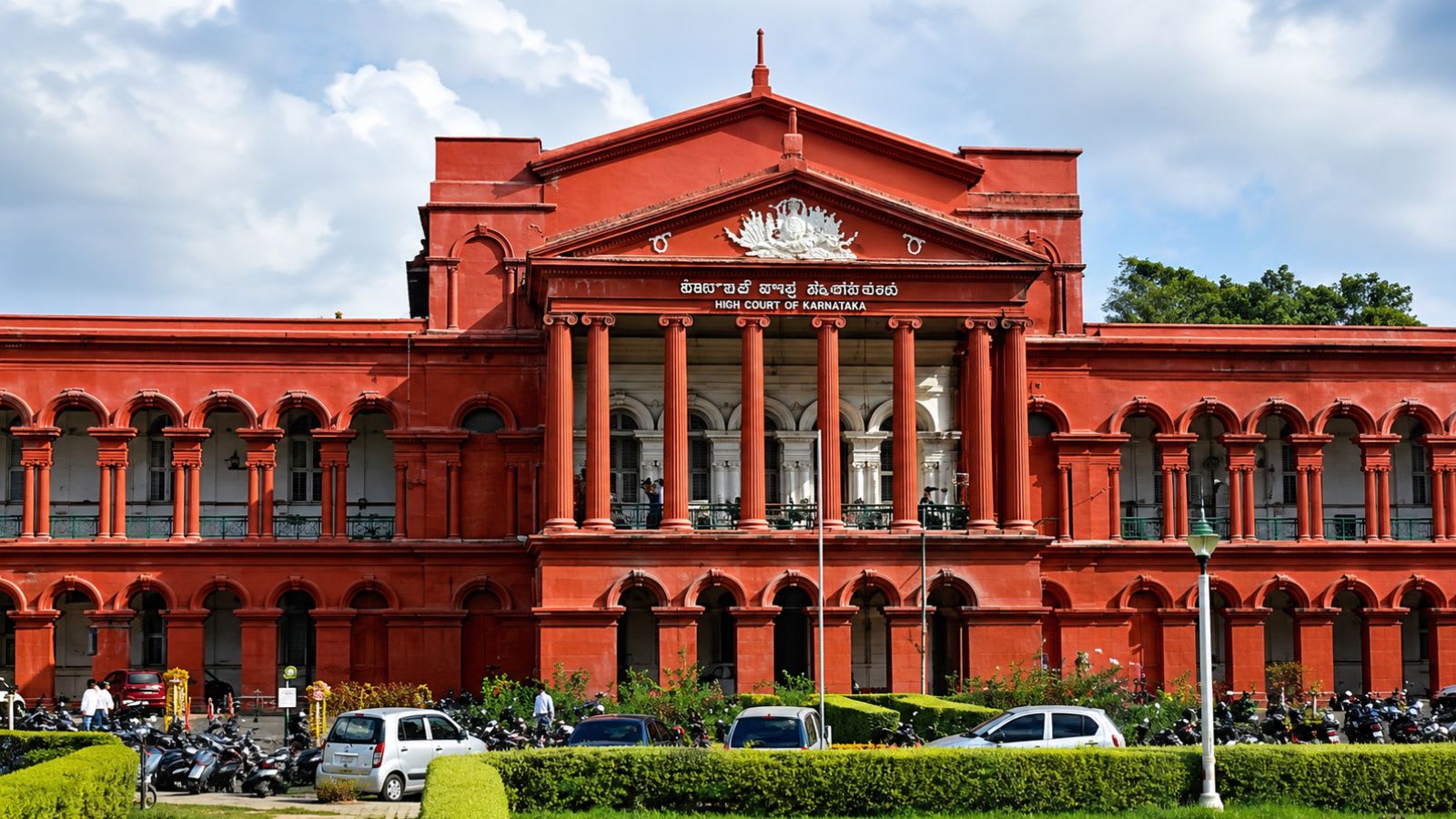
The Karnataka High Court has stayed a criminal case against a Bengaluru doctor who was arrested after reporting a couple suspected of being illegal immigrants. Justice M. Nagaprasanna criticized the state for prioritizing the prosecution of citizens over the investigation of undocumented foreign nationals.
Judicial Scrutiny of Immigration Enforcement
The Karnataka High Court’s decision to stay the criminal investigation into Dr. Nagendrappa marks a significant moment in the discourse surrounding immigration enforcement and civic duty in Bengaluru. The case centers on an incident where the doctor allegedly assaulted a couple, later identified as Bangladeshi nationals, leading to his arrest based on a complaint filed by one of the individuals, Nasreena. This legal intervention highlights a growing friction between law enforcement procedures and the judicial interpretation of how citizens should interact with suspected unauthorized residents.
The Judicial Perspective on Civic Responsibility
Justice M. Nagaprasanna’s remarks during the proceedings underscored a firm stance against the state’s current approach to handling reports of illegal immigration. By stating that it is "high time the system stops supporting illegal immigrants," the court signaled its concern that local authorities are focusing their investigative resources on those reporting potential violations rather than verifying the immigration status of the accused individuals. This judicial critique suggests a perceived imbalance in how the state manages public safety and national security concerns at the municipal level.
Implications for Public Vigilance
The arrest of a professional for reporting suspected illegal activity has triggered a broader debate regarding the risks citizens face when interacting with individuals they believe to be in the country unlawfully. If members of the public fear that reporting suspected illegal immigrants will lead to their own criminal prosecution, it may create a chilling effect on community-led reporting. The court’s intervention serves as a protective measure for the accused doctor, effectively pushing back against the state’s decision to prioritize a criminal complaint against him while the underlying issue of the couple’s legal status remained unaddressed.
Challenges in Immigration Status Verification
This case highlights the complexities inherent in verifying residency status in a bustling metropolis like Bengaluru. The fact that the complainant admitted to hailing from Bangladesh suggests that the system is currently struggling to process or vet individuals residing within city limits. The High Court's focus on this failure indicates that there is a significant procedural gap in how the state handles individuals who lack legal documentation, and the court is now compelling the administration to shift its focus back to the core issue of immigration enforcement.
Future Trends and Judicial Oversight
Looking ahead, this ruling may set a precedent for how lower courts and law enforcement agencies handle similar cases of confrontation between residents and suspected undocumented migrants. By staying the investigation, the High Court has signaled that it will closely monitor the state's actions, likely demanding more accountability from the police regarding the verification of citizenship. This case is emblematic of a broader national trend where judicial bodies are increasingly intervening to ensure that immigration laws are applied consistently and that the rights of citizens who flag potential threats are not infringed upon by misdirected state action.
Conclusion
In summary, the Karnataka High Court's intervention represents a stern warning to state authorities regarding their handling of immigration-related complaints. By prioritizing the investigation of the doctor’s actions over the status of the complainants, the state faced severe judicial scrutiny. As the legal process unfolds, the case will likely serve as a benchmark for how local authorities balance their duty to maintain law and order with the imperative of upholding national immigration policy.