Karnataka extends HPV vaccination programme to 15-year-old girls in mining-affected areas
Source Entity
India Latest News: Top National Headlines Today & Breaking News | The Hindu
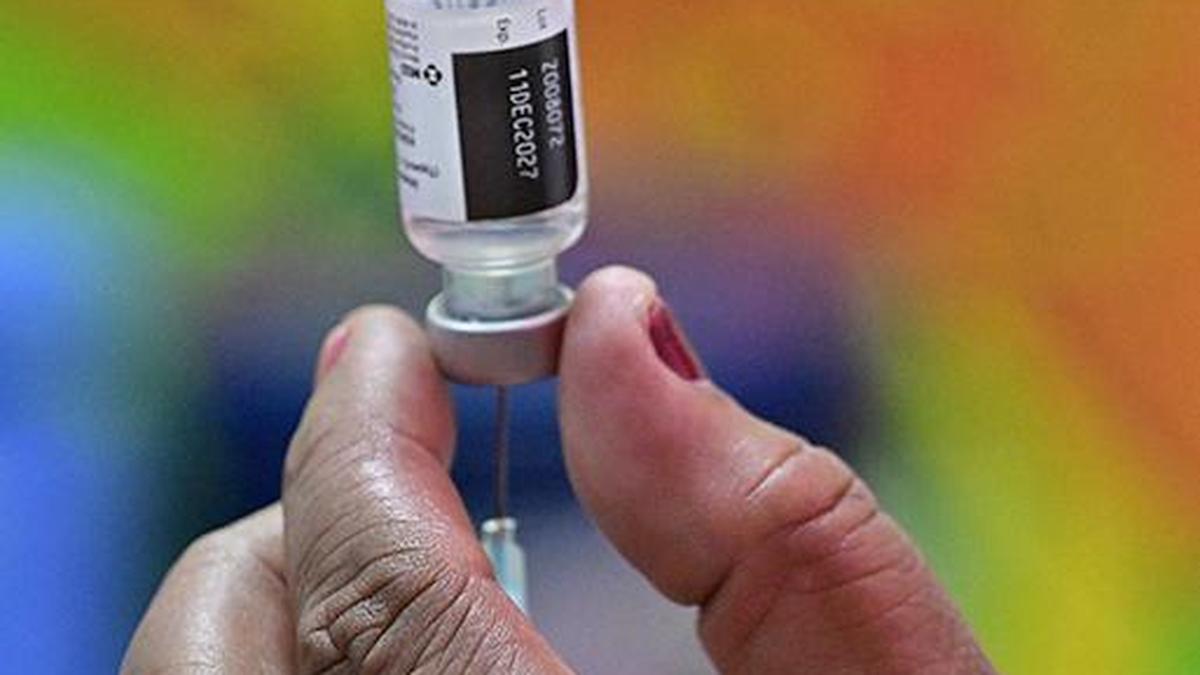
The Karnataka government is expanding its HPV vaccination program to include 15-year-old girls in mining-affected regions. Using ₹4.54 crore in funding, the initiative aims to reduce cervical cancer risks in eight specific taluks across four districts.
Karnataka Expands HPV Vaccination to Mining-Affected Regions
The Karnataka government has taken a significant step toward improving public health outcomes by extending its Human Papillomavirus (HPV) vaccination programme to include 15-year-old girls residing in mining-affected areas. This strategic expansion is designed to bolster immunity against HPV infection, a primary precursor to cervical cancer, which remains a major health concern for women across India. By targeting specific demographics in vulnerable regions, the state aims to mitigate long-term health risks through preventive medicine.
Strategic Funding via KMERC
To facilitate this initiative, the government has allocated ₹4.54 crore through the Karnataka Mining Environment Restoration Corporation (KMERC). This funding mechanism is particularly noteworthy as it utilizes resources generated from the mining sector to directly address the health disparities faced by communities living in the shadow of industrial extraction. By channeling these funds into the vaccination drive, the state is effectively addressing the intersection of environmental health and reproductive wellness.
Geographic Reach and Targeted Demographics
The programme rollout is specifically concentrated in eight taluks across four districts known for their mining activity: Tumakuru, Ballari, Chitradurga, and Vijayanagara. By focusing on Gubbi, Chikkanayakanahalli, Tiptur, Sandur, Holalkere, Hosadurga, Molakalmuru, and Hosapete, the government ensures that high-risk populations—often underserved due to their geographic location—receive essential medical protection. This targeted approach is vital for ensuring equitable healthcare access in rural and industrial corridors.
Scientific Rationale and Policy Framework
The decision to include 14 and 15-year-olds builds upon established expert recommendations that initially prioritized the nine to 14 age group for a two-dose regimen. By expanding the eligibility criteria, the state is acknowledging the need to provide catch-up coverage for older adolescents who may have missed the primary window of immunization. This policy aligns with broader national efforts to eliminate cervical cancer, which is one of the most preventable forms of malignancy when detected or vaccinated against early.
Broader Implications for Public Health
This initiative serves as a model for how environmental restoration funds can be repurposed for social welfare. Beyond simply providing vaccines, the programme signals a shift toward proactive, community-based healthcare management in regions where environmental pollutants might exacerbate health vulnerabilities. As the state moves forward, the success of this campaign will likely depend on robust awareness programs and efficient logistics to ensure high uptake among the targeted adolescent cohort.
Future Trends and Sustainability
Looking ahead, the integration of HPV vaccination into routine adolescent health services will be critical. If the Karnataka model proves successful in these eight taluks, it could serve as a blueprint for other states to utilize industrial restoration funds for healthcare infrastructure. The long-term impact of this investment will be measured by a reduction in cervical cancer incidence rates, marking a milestone in the state’s commitment to gender-specific health equity and preventive care.
Verification Required?