Packaged drinking water: What are gaps in testing, treatment and quality control?
Source Entity
Anuradha Mascarenhas
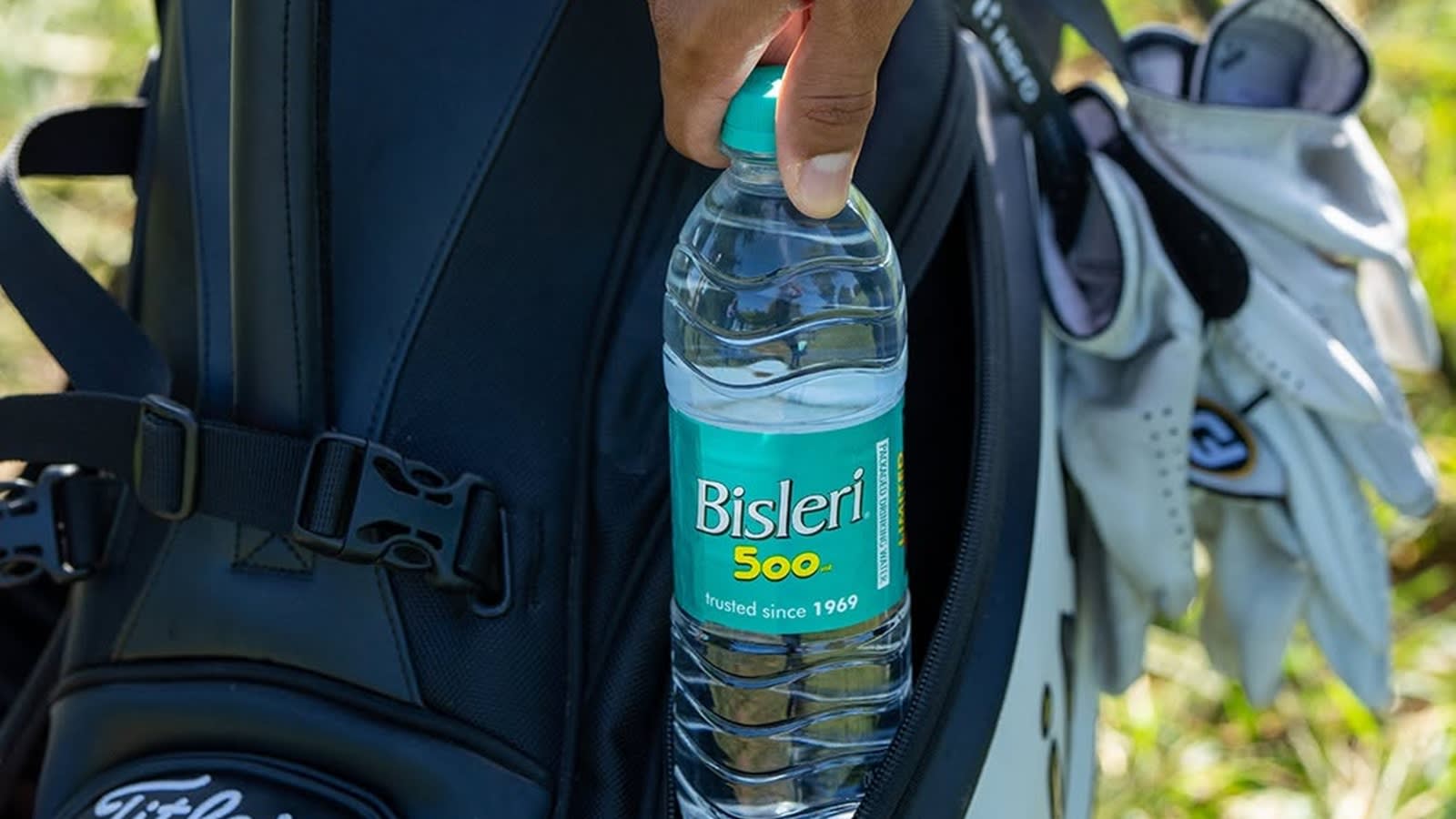
The FSSAI has sanctioned prosecution against Bisleri after a water sample failed to meet safety standards, raising concerns about regulatory compliance. While Bisleri maintains its 143 plants remain operational, the incident highlights critical gaps in quality control and the need for clearer public communication regarding health risks.
Regulatory Scrutiny and Public Health Concerns
The recent decision by the Food Safety and Standards Authority of India (FSSAI) to sanction prosecution against Bisleri International Pvt. Ltd. marks a significant moment in the oversight of India’s massive packaged drinking water industry. Following the discovery of a non-compliant sample, the regulator has formally classified the product as unsafe under the Food Safety and Standards Act, 2006. This development brings the efficacy of current testing protocols and the transparency of regulatory communication into sharp focus.
The Need for Analytical Clarity
Pawan Kumar Agarwal, former CEO of FSSAI, highlights a critical divide between corporate responsibility and regulatory mandate. While Bisleri is tasked with identifying the root cause of the failed sample and bolstering internal quality control, the regulator faces its own set of challenges. Experts argue that FSSAI must clarify the scientific basis for its standards and improve how it communicates the health significance of laboratory findings to the public, ensuring that consumers can distinguish between minor technical non-compliances and genuine health hazards.
Industry Scope and Consumer Reliance
Packaged drinking water has become an essential utility in India, serving as the primary source of water for 15% of urban households and 6% of rural households as of 2023. For the average consumer, a sealed bottle is often perceived as a guaranteed mark of safety, particularly in transient environments like railway stations, airports, and highways. The sheer scale of production, exemplified by Bisleri’s 143 manufacturing plants, underscores the necessity for rigorous, standardized testing across all supply chains to maintain this public trust.
Operational Status and Quality Control
In response to the FSSAI’s action, Bisleri has clarified that the scrutiny is limited to a single batch in Goa, which has already been removed from circulation. The company maintains that all 143 of its manufacturing facilities remain operational, suggesting that the issue is being treated as an isolated incident rather than a systemic failure. However, the broader conversation regarding the regulation of packaged water—which can be sourced from surface water under Section 2.10.8 of the Food Safety and Standards Regulations—remains a subject of intense expert debate.
Future Implications for Safety Standards
This incident forces a broader examination of the risks associated with chemical contaminants, such as bromate and polycyclic aromatic hydrocarbons (PAHs), and the potential degradation of water quality within plastic packaging. As data submitted to Parliament in early 2025 continues to inform the dialogue, the industry must evolve toward higher transparency. Future trends suggest that regulators will likely move toward more frequent, automated testing protocols and clearer public health advisories to ensure that the convenience of bottled water does not come at the cost of consumer safety.
Multiple Citing Sources