Over 16,000 unsafe eggs seized in Kozhikode
Source Entity
India Latest News: Top National Headlines Today & Breaking News | The Hindu
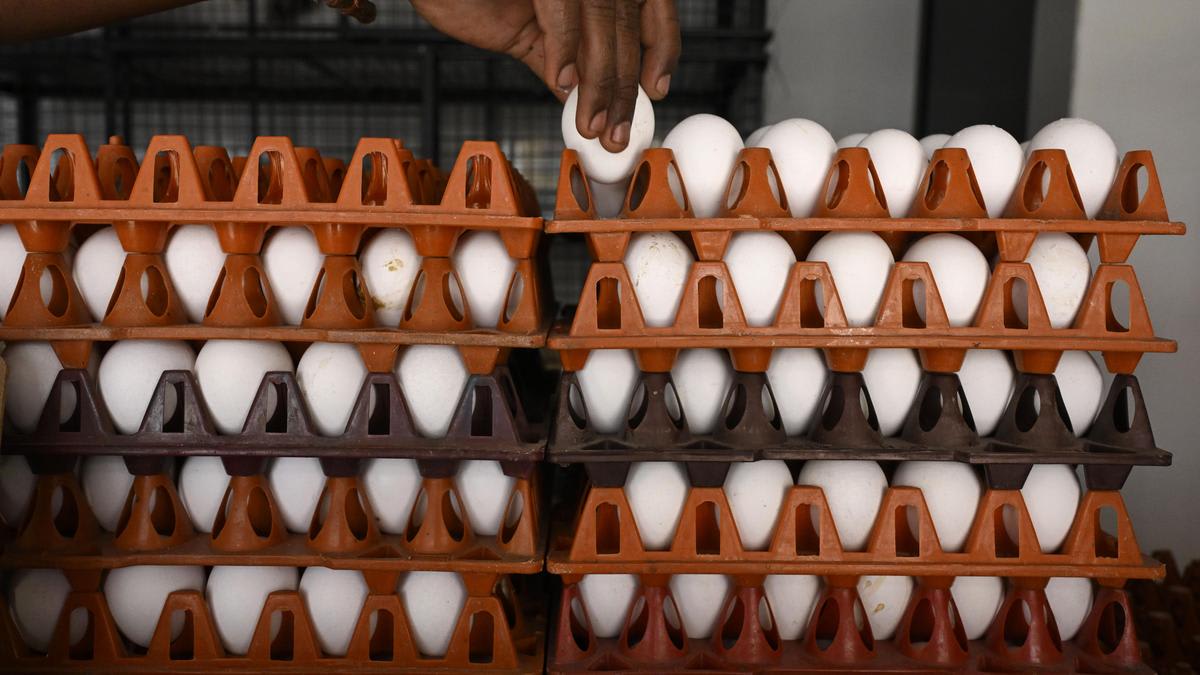
Food safety officials in Kozhikode, Kerala, seized over 16,000 rotten eggs destined for local bakeries. Authorities have moved to suspend the licenses of the two involved stalls in Mavoor for failing to maintain safe storage standards.
Food Safety Crackdown in Kozhikode
On Tuesday, November 24, 2026, the Food Safety department in Kozhikode executed a significant enforcement action, seizing over 16,000 eggs deemed unfit for human consumption. The operation, which targeted two egg stalls located in Mavoor, uncovered a large cache of rotten and unsafe produce that was reportedly prepared for distribution to various bakery units across the district.
The Risks of Improper Storage
The discovery highlights a critical failure in the cold chain logistics required for perishable goods. The investigation revealed that the seized eggs were stored in non-air-conditioned environments, which is a direct violation of food safety protocols. Eggs are highly susceptible to bacterial contamination, particularly Salmonella, when exposed to improper temperatures and poor ventilation over extended periods. By failing to provide appropriate cooling, these stalls created an environment where spoilage was inevitable, posing a severe health risk to the unsuspecting public.
Regulatory Consequences and Accountability
In response to these findings, local authorities have initiated the process to suspend the licenses of the two identified egg stalls. This administrative action serves as a deterrent against the negligence of safety standards. Regulatory bodies in Kerala have been increasingly stringent in their oversight of food supply chains, recognizing that small-scale distributors often act as critical nodes that connect large-scale producers to retail bakeries and restaurants. If these nodes fail, the risk of foodborne illness outbreaks increases exponentially.
Broader Implications for the Bakery Industry
Bakery units are frequent consumers of bulk egg shipments for various confectionery products. The fact that these eggs were earmarked for such facilities suggests a vulnerability in the supply chain where quality control is bypassed for cost-cutting measures. This incident underscores the necessity for bakeries to conduct rigorous due diligence on their suppliers. Relying on unlicensed or poorly maintained stalls not only endangers consumers but also exposes business owners to massive legal and reputational liabilities.
Moving Toward a Safer Food Future
This seizure is part of a broader, ongoing effort by the Food Safety department to sanitize the food distribution network in Kozhikode. As urban populations grow and the demand for processed foods rises, the pressure on food safety inspectors to monitor storage conditions in non-commercial or semi-industrial zones intensifies. Moving forward, it is expected that the department will implement more frequent, unannounced inspections to ensure that similar lapses in storage standards are caught before products reach the market.
Conclusion
The swift intervention by the Kozhikode Food Safety department serves as a vital reminder of the importance of public health surveillance. While the loss of 16,000 eggs represents a significant economic hit to the stall operators, the prevention of potential food poisoning outbreaks among the local population is the priority. By maintaining strict licensing requirements and enforcing temperature-controlled storage, the district can better protect its citizens from the dangers of unsafe food distribution.
Verification Required?