Karnataka education officials asked to evaluate pros and cons of cluster kitchen system for midday meals
Source Entity
India Latest News: Top National Headlines Today & Breaking News | The Hindu
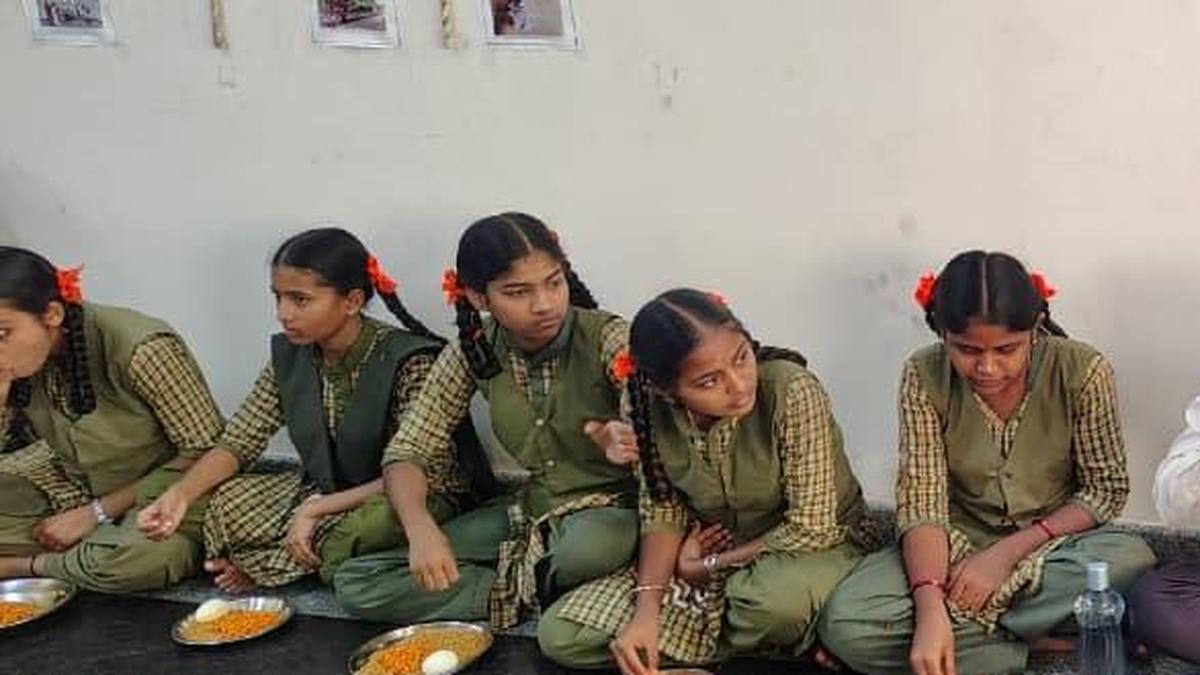
Karnataka education officials are evaluating the feasibility of a cluster kitchen system for midday meals. This initiative aims to reduce the administrative burden on teachers, allowing them to prioritize classroom instruction.
Evaluating the Future of Midday Meals in Karnataka
The Department of School Education and Literacy (DSEL) in Karnataka has initiated a formal assessment regarding the implementation of a "cluster kitchen" system for the PM Poshan Shakti Nirman scheme. This move follows a direct appeal from the Government Primary School Teachers’ Association, which has long contended that the current decentralized model of meal preparation places an undue administrative burden on educators, detracting from their primary pedagogical responsibilities.
Addressing Teacher Workload and Educational Quality
At the heart of this proposal is the argument that teachers are currently overextended by the logistical demands of the midday meal program. By shifting the responsibility of meal preparation from individual school units to centralized cluster kitchens, the administration hopes to reclaim valuable time for teachers. This transition is framed as a strategic necessity to ensure that the primary focus within government classrooms remains on student outcomes and curriculum delivery rather than kitchen management and food safety compliance.
The Mechanics of the Cluster Kitchen Model
Moving toward a cluster-based approach involves aggregating meal production for multiple nearby schools into a single, specialized facility. This model has been adopted in various regions to standardize food quality and hygiene, as well as to achieve economies of scale. The Joint Director of the PM Poshan Shakti Nirman scheme has now tasked Deputy Directors of Public Instruction (DDPIs) and Block Education Officers (BEOs) with conducting a granular analysis of the pros and cons associated with this transition at the district level.
Broader Implications for the PM Poshan Scheme
The PM Poshan Abhiyan represents a critical pillar of India’s social welfare infrastructure, aiming to improve nutritional intake and school attendance. Any fundamental change to its delivery mechanism, such as the proposed cluster kitchens, carries significant implications for supply chain management, local employment, and food safety protocols. The government's decision to solicit feedback from district-level officials indicates a cautious, evidence-based approach to policy reform that balances welfare goals with operational efficiency.
Historical Context and Policy Evolution
Historically, the midday meal scheme has relied on school-level management to ensure local accountability and freshness. However, as administrative requirements have grown more complex, the strain on the teaching workforce has become a point of contention. The current review signifies a potential pivot in state policy, acknowledging that teachers’ roles must evolve to meet the modern demands of primary education. The outcome of this evaluation will likely set a precedent for how Karnataka manages its school feeding programs in the coming decade.
Conclusion and Future Outlook
The evaluation process currently underway is a pivotal step in potentially modernizing the midday meal infrastructure. By carefully weighing the logistical benefits of centralized cooking against the potential challenges of distribution and local oversight, Karnataka aims to optimize its educational environment. Future trends suggest that if this pilot is successful, it could signal a broader shift toward professionalized, centralized food services in public education sectors across the state.
Verification Required?