'Nothing worng if people happily tip govt officials': K'taka minister sparks row
Source Entity
RANJITH KANDYA
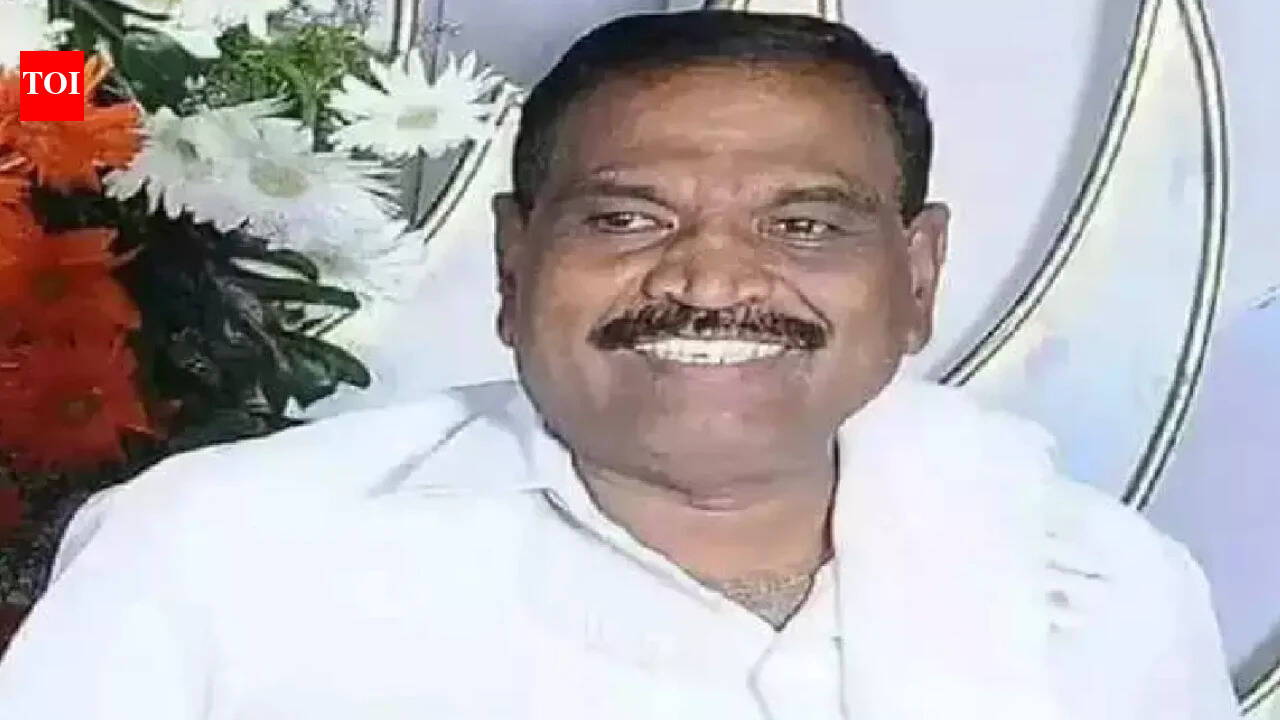
Karnataka Excise Minister K.M. Shivalinge Gowda sparked controversy by suggesting citizens could 'respectfully' offer money to government officials. The remarks, made at a meeting in Sakleshpur, drew immediate criticism, forcing the minister to clarify his stance.
Minister's Controversial Remarks in Sakleshpur
During a recent 'Praja Seva Andolana' meeting held in Sakleshpur, Hassan district, Karnataka Excise Minister K.M. Shivalinge Gowda found himself at the center of a political firestorm. The controversy stems from comments he made while addressing a member of the public regarding interactions with government officials. The minister's suggestion that citizens could 'respectfully' offer money to officials has been widely interpreted as an implicit endorsement of tipping or bribing government employees, sparking a significant debate on administrative ethics and the nature of public service.
The Context of the 'Dharma' Statement
While responding to a query from an attendee, Mr. Gowda, who serves as the Minister in charge of Hassan district, stated that if citizens wished to offer something to officials for their work, they could do so 'respectfully' as a matter of their 'dharma.' He explicitly added that while 'respectful' offers were acceptable, no one should be forced to pay. This distinction between coerced bribery and voluntary 'tips' left many in the audience surprised, as it blurred the lines between standard administrative procedures and unethical financial transactions.
Public and Political Backlash
The reaction to the minister's comments was swift and critical. When members of the audience pressed him on exactly what they should offer 'respectfully,' the ambiguity of his previous statement became apparent. The backlash from the audience and subsequent media scrutiny underscored the sensitivity of the topic, particularly in a political climate where corruption and the transparency of government officials are high-priority concerns for the electorate.
Clarification and Damage Control
Following the immediate objections raised by those present at the meeting, Mr. Gowda attempted to pivot his stance. He clarified that his remarks were intended to emphasize showing respect to government employees, rather than advocating for financial transactions. This tactical shift in tone highlights the difficulty politicians face when navigating the nuances of public discourse, where off-the-cuff remarks can easily be construed as policy positions, especially in the context of anti-corruption efforts.
Implications for Governance
This incident highlights the broader implications of how public officials engage with constituents regarding the conduct of government departments. Even if the minister’s intent was to promote a culture of appreciation for civil servants, the phrasing used has potentially undermined the zero-tolerance stance usually taken against bribery in government offices. The controversy serves as a reminder of the high level of scrutiny placed on elected representatives in Karnataka and the necessity for precise communication when discussing administrative interactions.
Future Trends and Accountability
Looking forward, this event is likely to fuel ongoing discussions in the Karnataka state legislature regarding ethical guidelines for public officials. As administrative reforms continue to push for digital and transparent service delivery, the normalization of 'tips'—regardless of the intent—remains a contentious subject. The incident will likely serve as a cautionary tale for other politicians, emphasizing the need for clear, unequivocal statements that align with established anti-corruption laws and public expectations of integrity.