Kannada organisations urge State to oppose Maharashtra govt.’s plan to build new reservoir in Kolhapur district
Source Entity
India Latest News: Top National Headlines Today & Breaking News | The Hindu
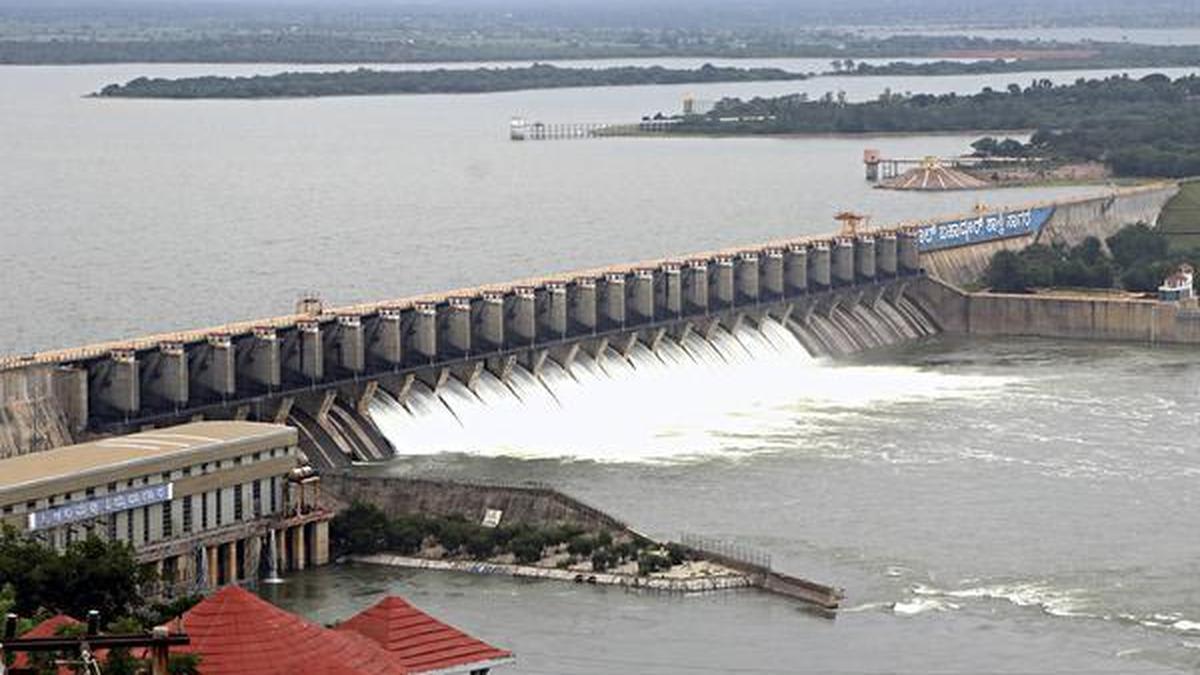
Kannada organizations are protesting the Maharashtra government's plan to build a new reservoir on the Krishna river, citing potential water shortages for Karnataka. Meanwhile, recent heavy rains have significantly increased water inflows into major Karnataka dams like Almatti and Hippargi.
Tensions Rise Over Krishna River Basin Projects
The dispute over the Krishna River basin has resurfaced as Kannada organizations demand that the Karnataka government formally oppose Maharashtra's latest irrigation plans. At the heart of the contention is the announcement by Maharashtra Chief Minister Devendra Fadnavis regarding the Radha Krishna irrigation project in the Kolhapur district. This proposed reservoir, designed to utilize approximately 4 tmcft of water, has drawn sharp criticism from groups who argue that it will directly impede the flow of water into Karnataka’s downstream infrastructure.
The Legal and Environmental Concerns
The primary argument raised by these organizations is rooted in the principles governing inter-State river water sharing. They contend that upper riparian states cannot unilaterally initiate new projects on inter-State rivers without formal consultation with lower riparian states. By bypassing such protocols, critics argue that Maharashtra is violating established water-sharing norms, which could set a precarious precedent for future resource management between the two states.
Impact on Downstream Infrastructure
If the proposed dam proceeds as planned, the reduction in water discharge is expected to have a tangible impact on Karnataka's critical water storage facilities. Specifically, the inflow into the Hippargi barrage and the Almatti dam—the latter being the Lal Bahadur Shastri reservoir—is projected to decrease by the amount utilized by the new project. This creates an immediate concern for water security in regions that rely heavily on these reservoirs for irrigation and power generation.
Current Hydrological Context
Coinciding with these political tensions is a significant shift in the region's current hydrological status. Following a period of heavy rainfall in both Maharashtra and the Belagavi district, the Krishna river and its tributaries have seen a substantial surge in discharge. As of recent reports, discharge from Maharashtra dams reached 59,866 cusecs, marking a sharp increase from the previous day’s levels.
Reservoir Status and Future Trends
The current status of major reservoirs reflects the volatility of the basin's water levels. The Almatti dam is currently holding 79 tmcft out of its 123 tmcft capacity, while the Hippargi Barrage holds 2.35 tmcft of its 6 tmcft capacity. Additionally, the Renuka Sagar dam on the Malaprabha is seeing steady inflows. These figures illustrate the delicate balance required to manage water resources during fluctuating monsoon cycles.
Conclusion and Outlook
The conflict highlights the persistent challenge of managing shared water resources in a climate of competing agricultural and industrial demands. As the Karnataka government weighs its response to the demands of local organizations, the situation underscores the need for a more robust framework for interstate cooperation. Moving forward, the resolution of this conflict will likely depend on legal interventions and diplomatic dialogue to ensure that the ecological and developmental needs of both states are addressed without compromising the stability of the Krishna river basin.
Multiple Citing Sources
Verification Required?