Karnataka cops suspended over leaked call about bribes paid for SI postings
Source Entity
Atiya Firdos
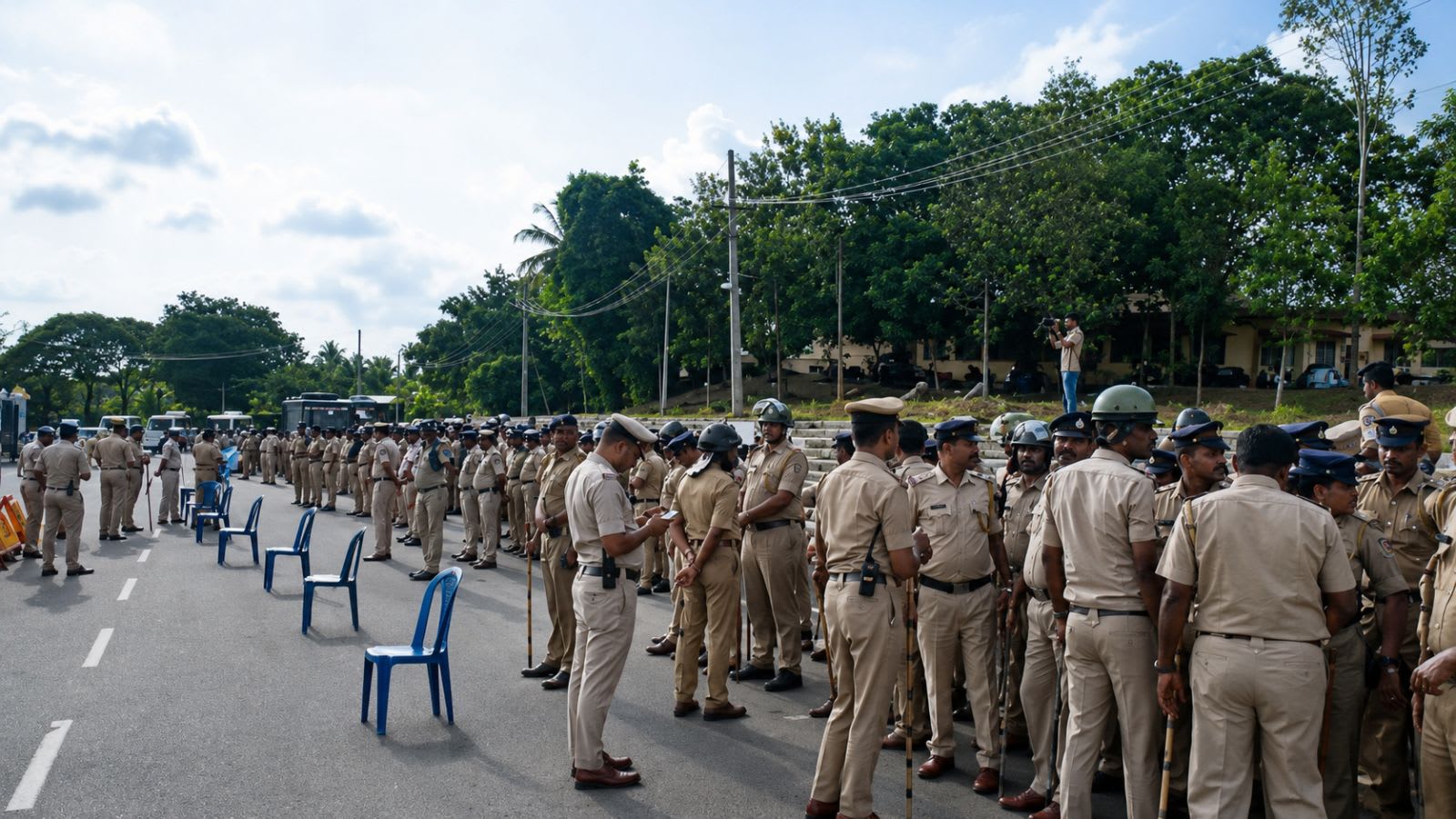
Three Karnataka police officers were suspended following the emergence of a leaked audio recording discussing bribery for sub-inspector postings. An official investigation is currently underway to address these corruption allegations.
Corruption Scandal Rocks Karnataka Police Force
The Incident
The Karnataka Police department has initiated disciplinary action against three officers—Kiran Patil, Krishna Arageri, and Vinod Reddy—following the circulation of a leaked conference call on social media. The audio recording allegedly features these officers discussing the payment of bribes in exchange for sub-inspector postings and other administrative transfer-related dealings. This breach of conduct has prompted immediate administrative intervention by state authorities.
Preliminary Inquiry and Suspension
Following the viral nature of the audio, Superintendent of Police for Uttara Kannada, M N Deepan, confirmed that the three officers were suspended effective Monday. The decision followed a preliminary inquiry conducted by an officer of the rank of Additional Superintendent of Police. This swift initial response underscores the department's attempt to maintain institutional integrity amidst mounting public scrutiny regarding police recruitment practices.
The Scope of Investigation
The departmental inquiry into the conduct of Patil, Arageri, and Reddy is ongoing. According to Superintendent Deepan, the core of the investigation focuses on verifying the authenticity of the claims made within the recorded conversation. While the suspensions serve as a temporary measure to ensure an impartial probe, the broader investigation aims to uncover the extent of the alleged bribery network and determine if other personnel were involved in similar illicit activities.
Broader Implications for Law Enforcement
Cases of alleged corruption involving recruitment and postings have long been a sensitive issue within the Indian police administrative framework. When officers are suspected of 'buying' their positions, it erodes the meritocratic foundation of the force, potentially leading to systemic inefficiencies and a loss of public trust. The incident in Karnataka highlights the persistent challenge of internal accountability in an era where digital footprints and leaked audio can rapidly compromise departmental reputations.
Historical Context and Future Outlook
Historically, the Karnataka Police have faced challenges related to transparency in transfers and postings. By addressing this incident through formal suspension and active investigation, the department is attempting to signal a zero-tolerance policy toward corruption. Future trends suggest that as digital evidence becomes more accessible, internal affairs departments will need to bolster their surveillance and whistleblower protection mechanisms to prevent such scandals from undermining public safety efforts.
Conclusion
The suspension of the three officers marks a critical turning point in the ongoing probe. As the departmental inquiry proceeds, the focus will remain on whether these allegations represent isolated incidents or a wider pattern of corruption. The outcome of this investigation will likely serve as a benchmark for how the Karnataka Police handles internal misconduct and strives to restore professional standards within the force.