Inside Kashmir’s land scam: How one plot is sold over and over again
Source Entity
Bashaarat Masood
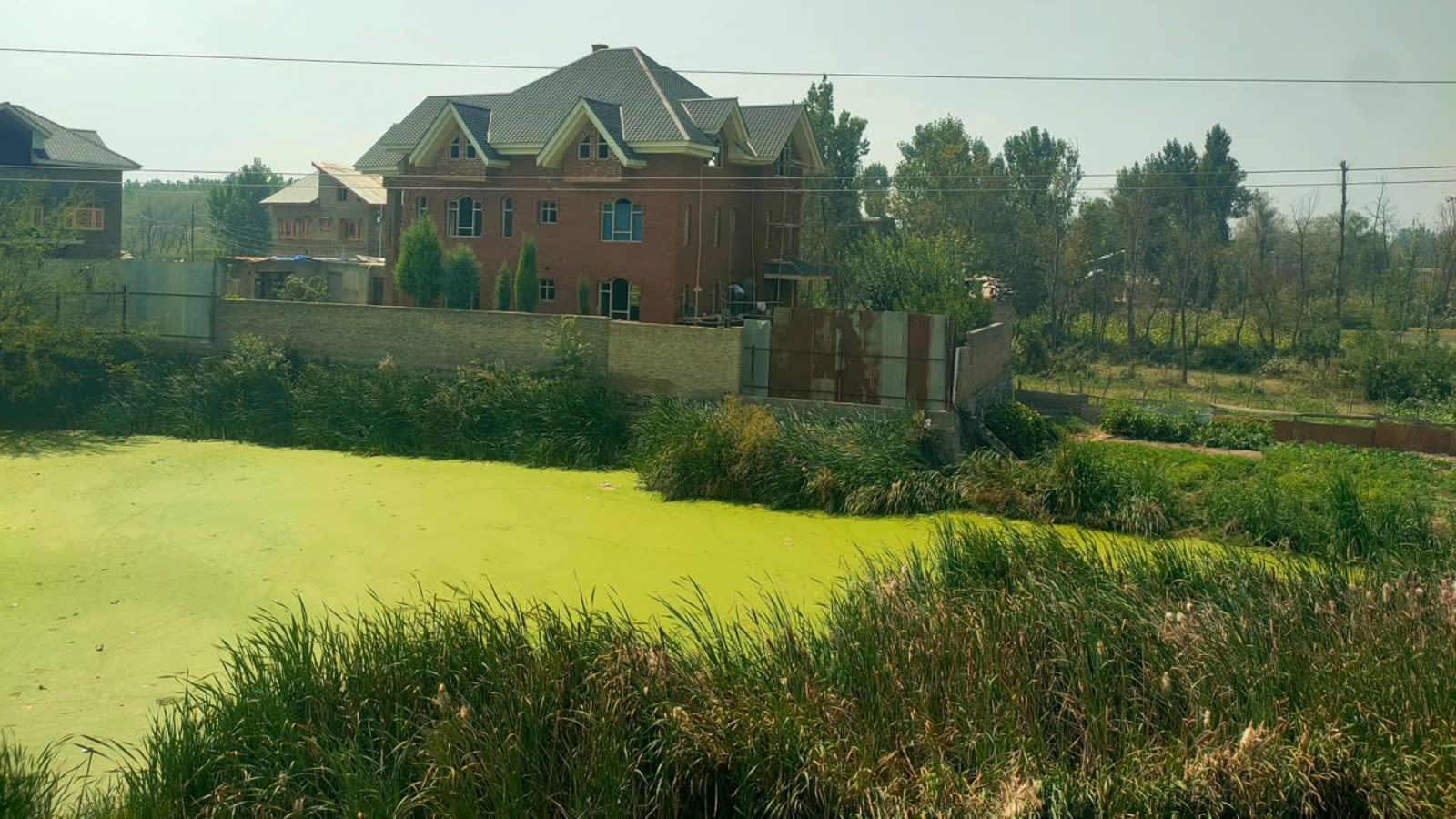
A retired Fisheries Director discovered his land in Balhama, Srinagar, had been illegally sold and occupied while he was living abroad. An official inquiry confirmed the fraudulent transaction, highlighting systemic issues in land record management.
The Anatomy of a Land Fraud in Srinagar
The case of Mufti Manzoor, a retired Fisheries Director, serves as a harrowing case study into the vulnerability of property rights in the outskirts of Srinagar. Having purchased a plot in Balhama in 2012, Manzoor transitioned to life in Australia, leaving his property unattended for years. Upon his return in 2017, he discovered that his land had been brazenly fenced off and subjected to unauthorized construction. This incident underscores the precarious nature of land ownership for non-resident property owners, where physical absence creates an opportunity for fraudulent actors to exploit gaps in administrative oversight.
The Failure of Administrative Safeguards
The realization that his property had been sold without his knowledge or consent exposes a critical breakdown in the revenue department's verification processes. When Manzoor sought answers from local revenue officials, he was met with silence, suggesting either bureaucratic apathy or, more alarmingly, potential complicity within the local administrative machinery. The fact that an illegal house was being constructed on private land without the requisite oversight points to a systemic failure in enforcing land-use regulations and verifying title deeds before permitting development.
Official Intervention and Investigative Hurdles
The intervention of the then Srinagar Deputy Commissioner, Syed Abid Rashid, was a necessary step toward transparency. By establishing a committee under the leadership of Additional Deputy Commissioner K.K. Sidha, the administration acknowledged the gravity of the fraud. The subsequent findings confirmed Manzoor’s claims, providing official validation that the property had indeed been misappropriated. This move highlights the importance of high-level administrative oversight in rectifying local-level corruption.
Broader Implications for Land Governance
This incident is not merely an isolated case of individual theft; it reflects a broader challenge regarding the digitization and security of land records in the region. When property transactions can occur without the legitimate owner's consent, it erodes public trust in the legal framework governing real estate. The reliance on paper-based records or legacy systems often leaves doors open for forgery and illicit transfers, necessitating a urgent move toward modernized, immutable land record systems that are accessible and verifiable by owners regardless of their geographic location.
The Path Forward
For investors and property owners in Kashmir, this case serves as a stark warning about the necessity of maintaining active surveillance over assets. Moving forward, the government must prioritize the strengthening of the revenue department’s verification protocols and ensure that any sale of property involves multi-layered authentication. The transition from manual records to a transparent, digital-first land registry will be essential to prevent such scams from becoming a common occurrence in rapidly developing areas like the outskirts of Srinagar.