‘Can only manage violence’: Manipur crisis takes a turn, Delhi stuck in more difficult terrain
Source Entity
Deeptiman Tiwary
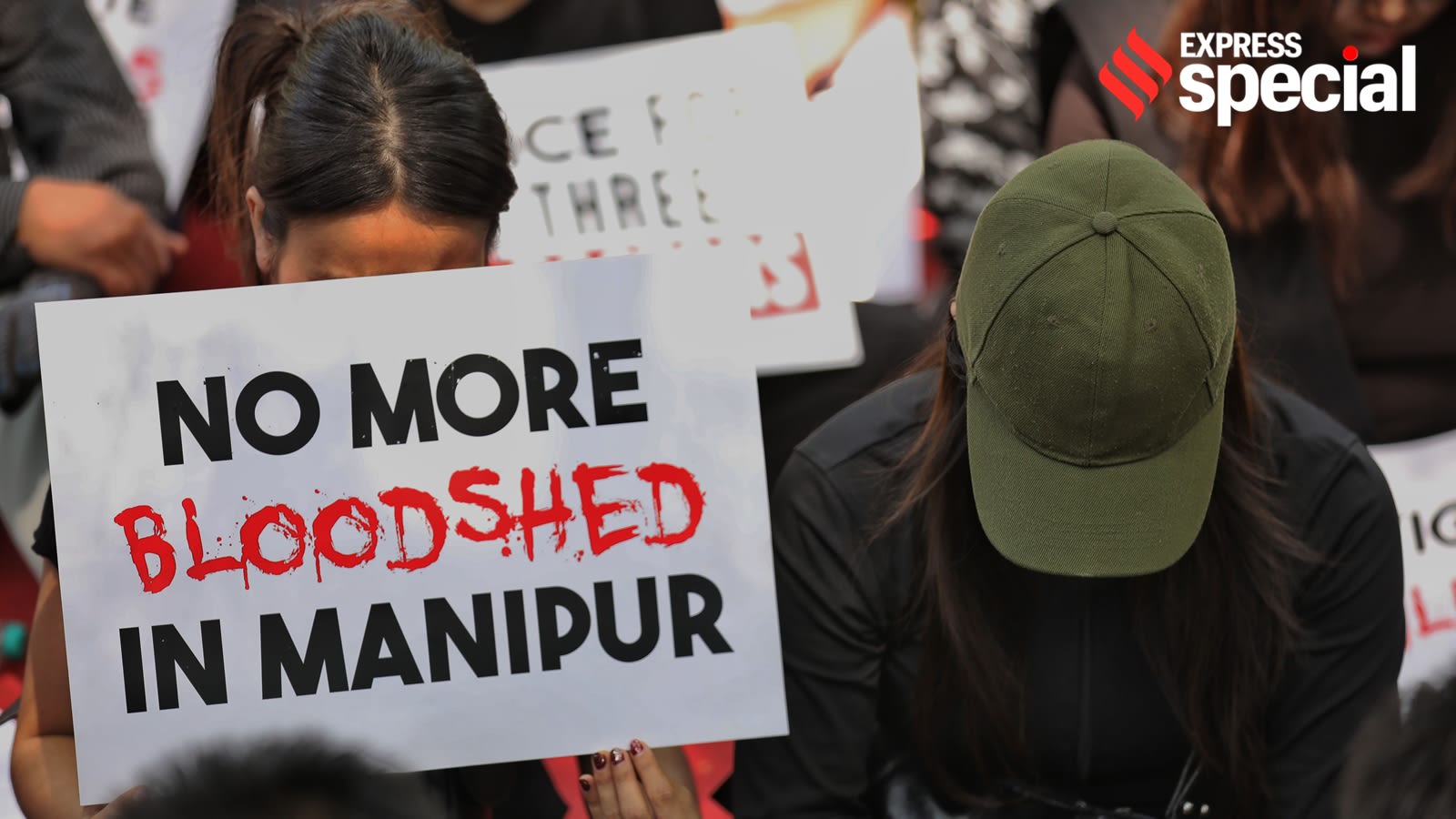
Manipur faces a deteriorating security situation as clashes between Naga and Kuki communities have resulted in over 50 deaths since February. This new cycle of violence complicates the existing conflict landscape, challenging law enforcement's ability to maintain order.
The Escalating Crisis in Manipur: A Shift in Conflict Dynamics
Recent reports from Manipur indicate a significant and troubling shift in the state's internal security landscape. While the region has been grappling with intense conflict between the Meitei and Kuki communities since May 2023, the emergence of violent clashes between the Naga and Kuki communities marks a dangerous expansion of instability. With the latest fatalities reported in the Kamjong and Senapati districts, the death toll associated with these specific inter-ethnic tensions has climbed to over 50 since the current BJP government was reconstituted in February.
The Mechanics of Escalating Violence
The nature of these clashes mirrors the tragic cycle of violence seen in previous phases of the conflict. The situation is characterized by a self-perpetuating loop of retaliatory actions, where each community seeks to avenge the loss of its own members. This tit-for-tat dynamic creates a volatile environment where de-escalation becomes increasingly difficult, as the primary motivation shifts from political or territorial grievances to cycles of communal retribution.
Geographical Challenges and Security Limitations
Unlike the Meitei-Kuki conflict, which eventually saw a degree of geographical separation—with Kukis retreating to the hills and Meiteis occupying the valley—the current Naga-Kuki tensions present a more complex geographical challenge. Manipur Police officials have noted that the previous separation allowed for the creation of buffer zones monitored by security forces. However, the current theater of conflict in districts like Kamjong and Senapati lacks such clear-cut demarkation, making the deployment of security forces and the establishment of effective containment zones significantly more difficult.
Implications for State Stability
The inability to effectively separate warring factions geographically means that security personnel are stretched thin across difficult terrain. The 'buffer zone' strategy, which relied on the physical segregation of populations, is proving insufficient in the face of these new, localized outbreaks. This suggests that the administration is struggling to contain the violence, as the conflict is no longer confined to static frontlines but is instead erupting in areas where traditional law enforcement interventions have historically struggled to maintain a consistent presence.
Future Outlook and Conclusion
The prospect for peace remains dim as long as the cycle of vengeance continues to dictate the interactions between these groups. Without a robust mechanism to address the underlying grievances that fuel these retaliatory acts, the security situation in Manipur is likely to remain in a state of flux. The transition from a binary conflict to a multi-front ethnic struggle represents a significant setback for peace-building efforts in the region, necessitating a fundamental re-evaluation of the state's security strategy to prevent further loss of life.