10 years after surgical strikes, more eyes on ground and sky, focus on Jammu
Source Entity
Amrita Nayak Dutta
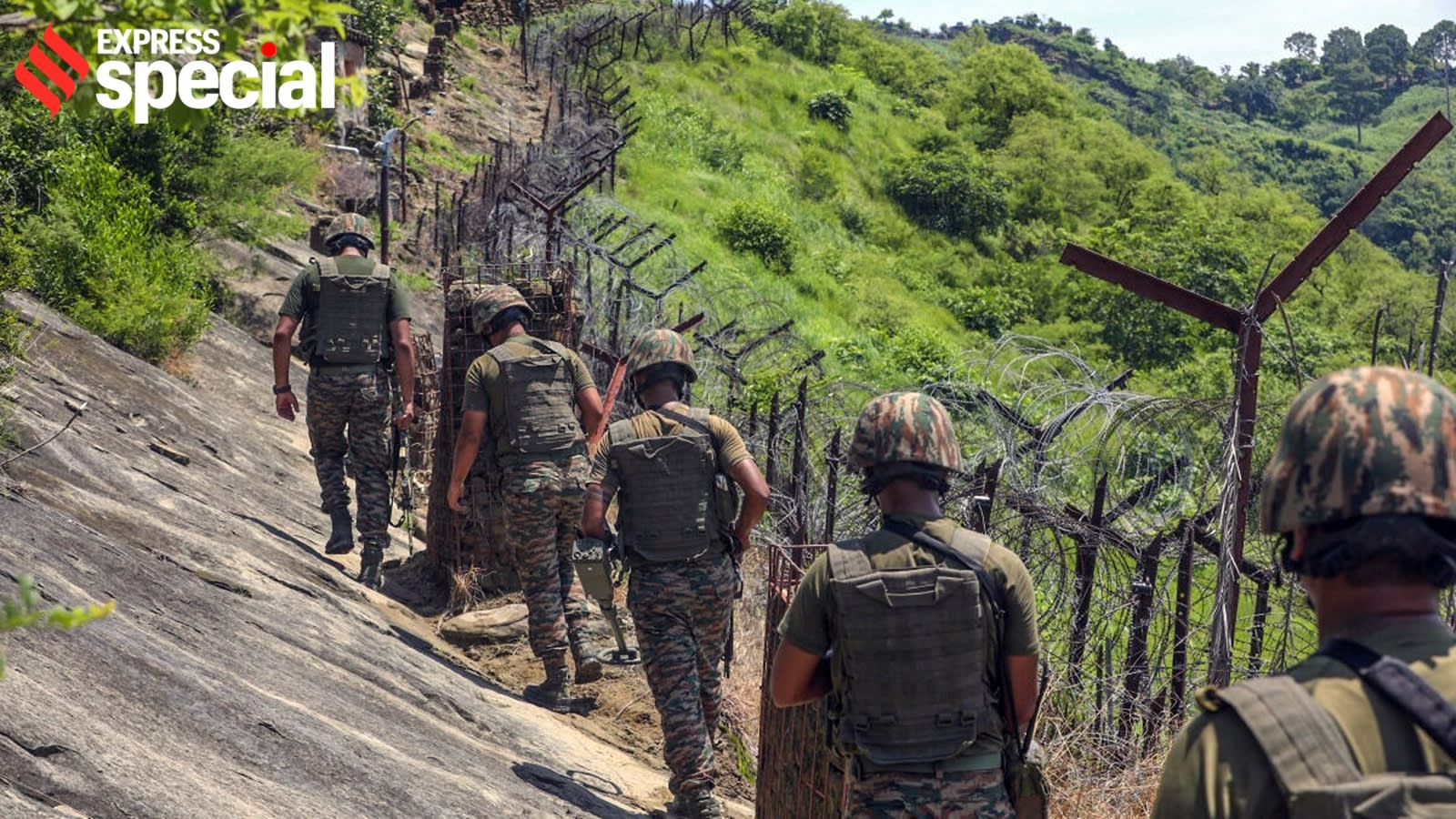
India marks a decade since the 2016 surgical strikes, a pivotal shift in its counter-terrorism doctrine following the Uri attack. The operation established a new precedent for visible, cross-border retaliation against terrorist infrastructure.
A Decade of Strategic Shift: Reflecting on the 2016 Surgical Strikes
Ten years ago, on the night of September 28-29, 2016, the Indian Army executed a series of coordinated cross-border operations that fundamentally altered the nation's security posture. Triggered by the tragic terrorist attack on the Army Brigade Headquarters in Uri—which claimed the lives of 19 soldiers—the strikes represented a decisive departure from the policy of strategic restraint that had long defined India’s response to cross-border provocations.
The Anatomy of the Operation
Under the strategic leadership of Prime Minister Narendra Modi, then-Defence Minister Manohar Parrikar, and National Security Adviser Ajit Doval, the Indian Army authorized Para (Special Forces) teams to cross the Line of Control (LoC). Utilizing specialized equipment including rocket launchers, flamethrowers, and grenades, the teams targeted seven distinct terrorist launchpads situated both north and south of the Pir Panjal range. This operation, which resulted in an estimated 35-50 casualties among terrorist ranks, was conducted under the cover of artillery fire and completed without a single Indian casualty, showcasing high operational precision.
Breaking the Silence: Public Acknowledgment
While the Indian Army had historically conducted cross-border tactical maneuvers, the 2016 operation was unique because it was the first time the government publicly acknowledged the strikes. The then-Director General of Military Operations (DGMO), Lt Gen Ranbir Singh, briefed the nation, citing "specific and credible inputs" regarding the concentration of terrorist teams. This public admission signaled a new era of transparency regarding India’s capability and willingness to strike the enemy directly at their source.
Historical Context and Preceding Tensions
The 2016 strikes did not occur in a vacuum; they followed a year of heightened instability, including the audacious terror attack on the Pathankot air base and subsequent incidents at the EDI building. These events created significant domestic pressure to move beyond defensive measures. As retired Lt Gen Satish Dua noted, the proposal to take the fight to the enemy was a necessary evolution in national security, aimed at dismantling the infrastructure that facilitated recurring infiltration attempts.
Long-term Strategic Implications
The legacy of the 2016 surgical strikes is evident in the subsequent evolution of Indian military doctrine. The success of this operation provided the political and military confidence to execute later high-stakes missions, such as the Balakot air strikes and Operation Sindoor. These operations collectively cemented a new "offensive-defense" posture, where India demonstrates a clear resolve to neutralize threats across the border rather than waiting for them to reach its soil.
Current Security Landscape
Ten years later, the focus has shifted toward enhanced surveillance and technological integration. Today, the security apparatus employs more "eyes on the ground and sky," particularly in the Jammu region, to monitor the border with heightened vigilance. As India commemorates this decade-long milestone, the surgical strikes remain a cornerstone of its modern counter-terrorism strategy, proving that the nation is prepared to employ varied, decisive, and visible measures to protect its sovereignty.