Madras High Court directs trial court to hear non-religious couple’s plea to void marriage
Source Entity
Vineet Upadhyay
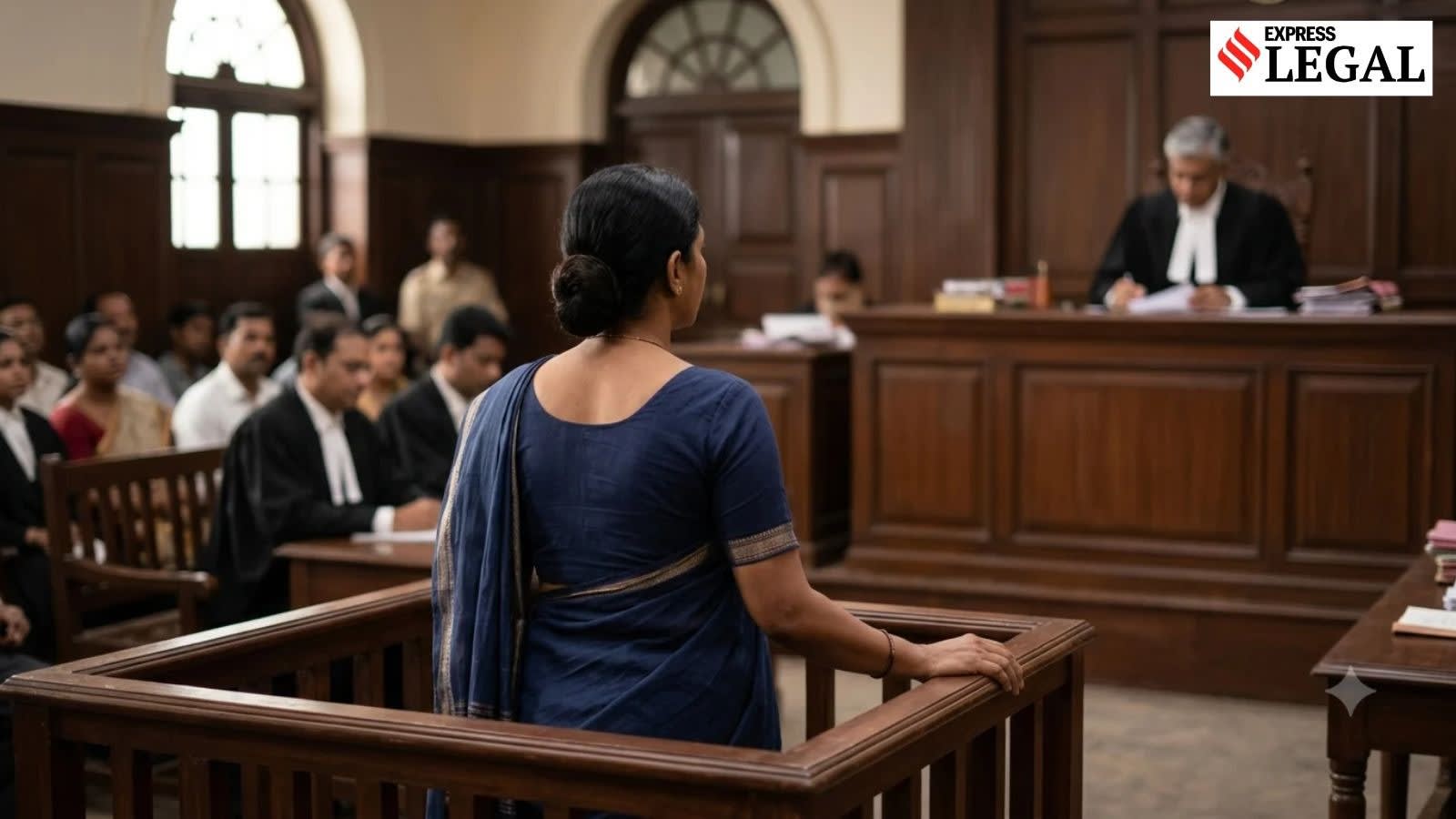
High courts in India have issued significant rulings regarding marriage legality. The Madras High Court mandated the hearing of a non-religious marriage annulment case, while the Delhi High Court affirmed that personal laws cannot override child-protection statutes.
Judicial Clarifications on Marriage and Personal Law
Recent judicial interventions by the Madras High Court and the Delhi High Court have brought critical focus to the intersection of personal identity, secular registration, and statutory child protection in India. These rulings underscore a growing necessity for courts to reconcile traditional personal laws with modern legal frameworks, ensuring that individual rights and protections are upheld in an evolving societal landscape.
The Madras High Court and Secular Marriage
The Madras High Court recently intervened in a procedural impasse involving a 2022 marriage between two individuals who do not identify with any religion. The couple’s marriage, registered under the Tamil Nadu Registration of Marriage Act, 2009, faced a legal hurdle when a district munsiff court repeatedly returned a woman’s plea to declare the union null and void. The trial court had erroneously cited the absence of Hindu marriage rites as a reason for rejection. Justice N. Anand Venkatesh corrected this, directing the lower court to take the suit on file, affirming that secular marriages registered under state law are entitled to due judicial process regardless of religious ritual.
Prioritizing Protection Over Personal Law
Simultaneously, the Delhi High Court addressed the boundaries of personal law in relation to criminal statutes. In a case involving a 16-year-old girl who was married and pregnant, Justice Sanjeev Narula ruled that Muslim personal law cannot provide immunity from the Protection of Children from Sexual Offences (POCSO) Act or the Bharatiya Nyaya Sanhita (BNS). The court emphasized that the legal age of consent remains 18, and constitutional protections for choice cannot supersede the state's obligation to protect minors from statutory offenses.
The Conflict of Statutes and Beliefs
These cases highlight a systemic friction between individual religious or personal identity and the rigid requirements of the Indian legal system. While the Madras High Court is facilitating the legal dissolution of a secular union, the Delhi High Court is restricting the application of personal law to ensure that statutory age requirements are not bypassed via marriage. Both instances demonstrate the judiciary's role in acting as a safeguard against the misapplication of law in the name of custom or religion.
Broader Implications for Legal Reform
These rulings signify a shift toward a more uniform application of law, where secular statutes like the Tamil Nadu Registration of Marriage Act and criminal statutes like POCSO take precedence over traditional or religious interpretations. By refusing to allow personal laws to act as a shield for activities that violate statutory mandates—such as child marriage—the courts are reinforcing the supremacy of the law of the land. This trend suggests that future legal disputes regarding marriage will likely be adjudicated with an increasing emphasis on secular compliance and the fundamental rights of the individuals involved.
Conclusion
The recent directives from the Madras and Delhi High Courts serve as a vital reminder of the judiciary's role in clarifying the limits of personal and religious law. By ensuring that non-religious couples have access to legal remedies and that child protection laws remain inviolable, the courts are fostering a legal environment that prioritizes consistency, equality, and the protection of vulnerable populations. These cases will undoubtedly set a precedent for future litigation concerning the interplay between personal choice and statutory regulation in India.