High-speed rail proposal lacks details: CM Satheesan
Source Entity
Latest News: Today's Latest News Headlines from India & World | Hindustan Times | Hindustan Times
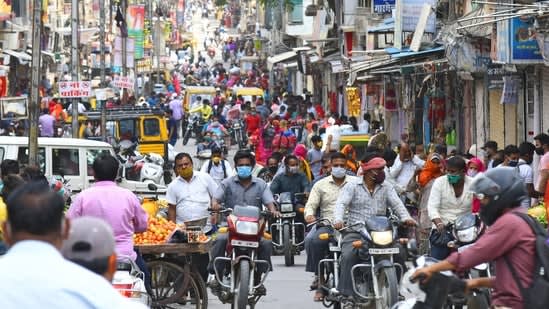
The Kerala cabinet has decided to put a high-speed rail project proposed by E Sreedharan and the DMRC on hold, citing a lack of comprehensive environmental and social impact studies.
Kerala Cabinet Halts High-Speed Rail Proposal Amidst Study Gaps
In a significant administrative decision, the Kerala cabinet has officially placed a hold on the high-speed railway project proposed by the renowned 'Metroman' E Sreedharan and the Delhi Metro Rail Corporation (DMRC). This decision, announced by Chief Minister Satheesan, follows the specific recommendations of an expert committee that scrutinized the proposal. The primary point of contention is the absence of detailed environmental and social impact assessments, which are critical prerequisites for any large-scale infrastructure project in a state as ecologically sensitive as Kerala.
The Criticality of Impact Assessments
The decision to pause the project underscores the government's commitment to sustainable development over rapid industrialization. Environmental Impact Assessments (EIAs) and Social Impact Assessments (SIAs) are not merely bureaucratic hurdles but essential tools used to predict the potential degradation of local ecosystems and the displacement of human populations. In the context of high-speed rail, which requires vast tracts of land and creates significant physical barriers across landscapes, the lack of these studies represents a substantial risk. By halting the project, the cabinet is signaling that technical feasibility, regardless of the prestige of the proposers, cannot override ecological and social safeguards.
The Paradox of the 'Metroman' Proposal
The involvement of E Sreedharan and the DMRC initially gave the project immense credibility. Sreedharan's track record with the Konkan Railway and the Delhi Metro makes him one of India's most trusted infrastructure experts. However, this case highlights a critical tension in modern urban planning: the gap between engineering excellence and holistic sustainability. While the DMRC may have provided a robust technical blueprint for speed and efficiency, the expert committee found that the proposal failed to address the 'human and nature' element. This suggests that even the most experienced engineers must align their visions with the specific socio-environmental constraints of the region where the project is implemented.
Navigating Kerala's Unique Geography
To understand why the lack of detailed studies is a deal-breaker, one must consider Kerala's unique geography. The state is characterized by high population density, a complex network of wetlands, and the proximity of the Western Ghats—a global biodiversity hotspot. Any high-speed rail corridor would inevitably intersect with fragile ecosystems and densely packed residential areas. Without a granular analysis of how the rail line would affect groundwater levels, local flora and fauna, and the livelihoods of marginalized communities, the project could lead to irreversible environmental damage and widespread social unrest, mirroring the controversies seen in other high-speed rail attempts across India.
Governance and Administrative Accountability
From a governance perspective, CM Satheesan's move reflects a cautious approach to public spending and land acquisition. Large-scale infrastructure projects often face severe delays and cost overruns when social and environmental objections arise mid-construction. By acting on the expert committee's advice now, the Kerala government is attempting to avoid a scenario where the project becomes a legal or political liability. This decision emphasizes a shift toward evidence-based policy making, where the 'details'—specifically the social and environmental costs—are given equal weight to the projected economic benefits of high-speed connectivity.
Future Outlook and Necessary Steps
Moving forward, the path to reviving the high-speed rail proposal will depend entirely on the DMRC's ability to produce comprehensive, transparent, and scientifically backed impact studies. The government is likely to demand a multi-disciplinary approach that includes ecologists, sociologists, and urban planners. If these studies are conducted and found to be acceptable, the project may proceed with modified alignments to minimize damage. However, if the studies reveal that the environmental cost is too high, the state may be forced to pivot toward improving existing rail infrastructure rather than pursuing a high-speed alternative.
Conclusion
The suspension of the DMRC-proposed high-speed rail project serves as a reminder that in the modern era, infrastructure cannot be viewed solely through the lens of speed and connectivity. The Kerala government's insistence on detailed environmental and social studies prioritizes long-term sustainability over short-term prestige, ensuring that the state's development does not come at the cost of its natural heritage or social stability.
Verification Required?