Passenger waits 10 months for refund after failed train bookings, IRCTC to pay Rs 8,000
Source Entity
Ashish Shaji
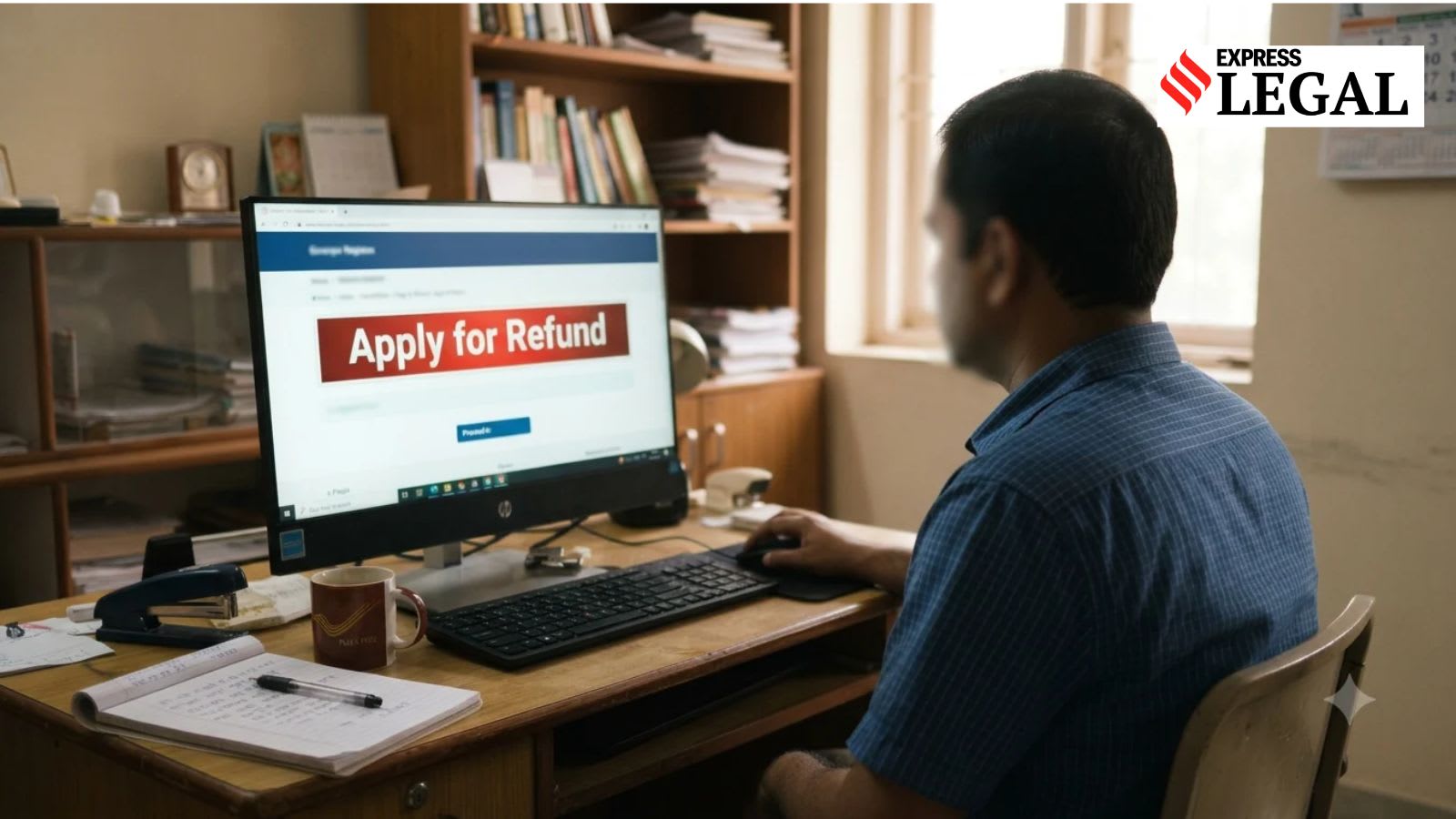
A Kerala Consumer Commission has ordered the IRCTC to pay Rs 8,000 in compensation and legal costs to a passenger. This follows a 10-month delay in refunding money for failed ticket bookings.
Consumer Justice Prevails Against IRCTC
A recent ruling by the Kerala Consumer Commission has brought to light the systemic frustrations faced by rail passengers regarding failed transaction refunds. The commission directed the Indian Railway Catering and Tourism Corporation (IRCTC) to pay a total of Rs 8,000—comprising Rs 5,000 as compensation and Rs 3,000 for litigation costs—to a passenger who endured a 10-month wait for a refund of Rs 3,102. This case highlights a critical gap in customer grievance redressal mechanisms within India's massive state-run transport infrastructure.
The Failure of Transparency
At the heart of the dispute, presided over by President P V Jayarajan and members Preetha G Nair and Viju V R, was the IRCTC’s lack of communication. The commission noted that for the duration of the ten-month delay, the corporation failed to provide the complainant with any substantive information regarding why the refund was stalled. This lack of transparency is often cited as a major pain point for digital service users, where automated systems often leave consumers in a state of uncertainty when technical failures occur.
Accountability in Public Services
This verdict underscores the importance of the Consumer Protection Act in holding public sector entities accountable. When a passenger’s account is debited but the service—in this case, train tickets—is not rendered, the burden of proof and the responsibility for a timely refund lies squarely with the service provider. By awarding both compensation for mental agony and litigation costs, the commission has sent a strong signal that bureaucratic inefficiency is not an acceptable excuse for withholding consumer funds.
Broader Implications for Digital Infrastructure
As India continues to push for a digital-first economy through initiatives like the IRCTC’s online booking portal, the reliability of payment gateways and transaction reconciliation becomes paramount. When millions of transactions are processed daily, technical glitches are inevitable. However, the inability to resolve these issues promptly, as seen in this case, erodes public trust in digital platforms. This ruling serves as a precedent that could encourage other aggrieved passengers to seek legal recourse when their rights are disregarded.
Future Trends in Consumer Redressal
Looking ahead, this ruling may influence how state-run corporations manage their customer support operations. To avoid similar litigation and financial penalties, entities like the IRCTC may be forced to implement more robust, real-time tracking for failed transactions. Furthermore, the consumer courts are increasingly taking a dim view of 'process delays' that appear to be a result of institutional apathy rather than genuine technical complexity.
Conclusion
The Kerala Consumer Commission’s decision is a victory for individual consumer rights against large state entities. By quantifying the 'mental agony' caused by a 10-month wait, the court has emphasized that the digital divide should not be exacerbated by poor administrative follow-through. For the IRCTC, this serves as a mandate to overhaul its refund protocols to ensure that passengers are not only treated fairly but are kept informed throughout the resolution lifecycle.