Explained: Why floods in Kerala are becoming more severe
Source Entity
Shaju Philip
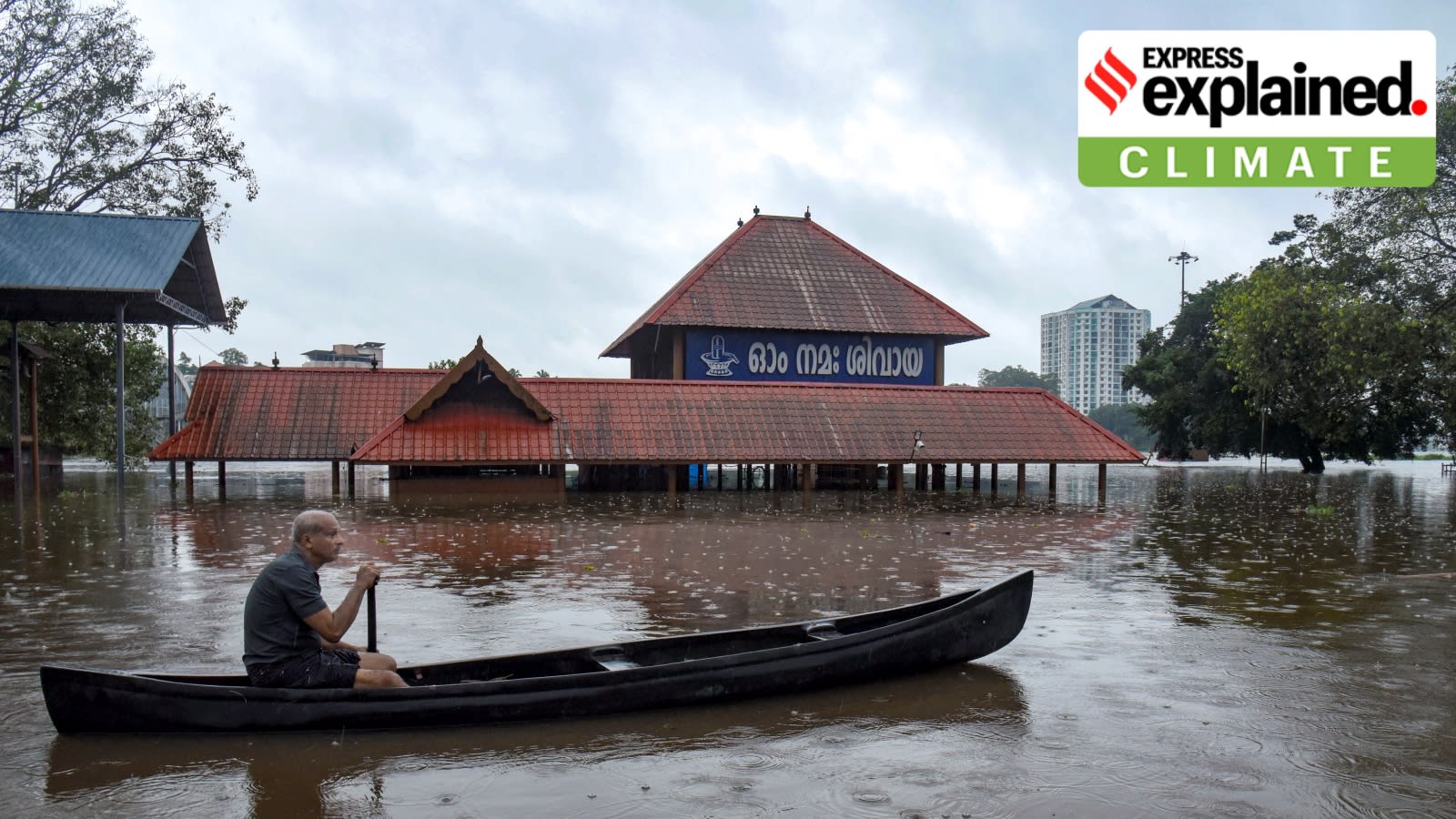
Kerala is facing severe flooding due to record rainfall and reduced river capacity caused by sedimentation. The crisis has displaced over 27,000 people and resulted in 26 fatalities, highlighting the urgent need for environmental management.
The Intensifying Crisis of Kerala's Floods
In early August, the state of Kerala experienced an unexpected and extreme spell of rainfall, leading to catastrophic flooding that has severely impacted regions such as Kottayam and Pathanamthitta. The human toll of this meteorological event is significant, with 26 lives lost to monsoon-related incidents. As of August 5, the scale of displacement was massive, with more than 27,000 individuals forced to seek refuge in approximately 460 relief camps, as confirmed by Chief Minister V.D. Satheesan.
The Role of Anthropogenic Factors
While the immediate trigger for the flooding was the intense rainfall, experts point to a series of human-made factors that have exacerbated the situation. The rapid submergence of urban settlements is not merely a result of climate variability but is deeply tied to how the landscape has been managed. The transformation of natural terrain into urban infrastructure has hindered the state’s ability to absorb and redirect such extreme volumes of water.
Dwindling Carrying Capacity of Rivers
A critical finding from the Kerala irrigation department highlights that the sedimentation of rivers and water bodies has drastically reduced their water-holding capacity. Over time, the accumulation of silt and debris has effectively 'choked' the natural drainage systems. When heavy rains occur, these rivers can no longer contain the excess water, causing them to breach their banks and submerge surrounding low-lying urban areas with unprecedented speed.
Environmental Degradation and Urbanization
The crisis serves as a stark reminder of the broader implications of unchecked development. The loss of wetlands and the encroachment of construction projects onto floodplains have reduced the ecological buffers that once protected Kerala’s settlements. As sedimentation continues to rise, the state faces a recurring threat where even moderate monsoon events could trigger flash floods, creating a dangerous cycle of vulnerability.
Future Trends and Mitigation
Moving forward, the situation in Kerala necessitates a comprehensive reassessment of river management and urban planning. Addressing the sedimentation issue through systematic dredging and the restoration of natural water bodies is essential to regaining the rivers' carrying capacity. Without a shift toward sustainable infrastructure and a focus on ecological restoration, Kerala remains highly susceptible to the intensifying impacts of extreme weather events driven by climate change.