‘Attack on Christians’: US lawmaker slams Bill for stricter regulation of foreign donations in India
Source Entity
The Indian Express
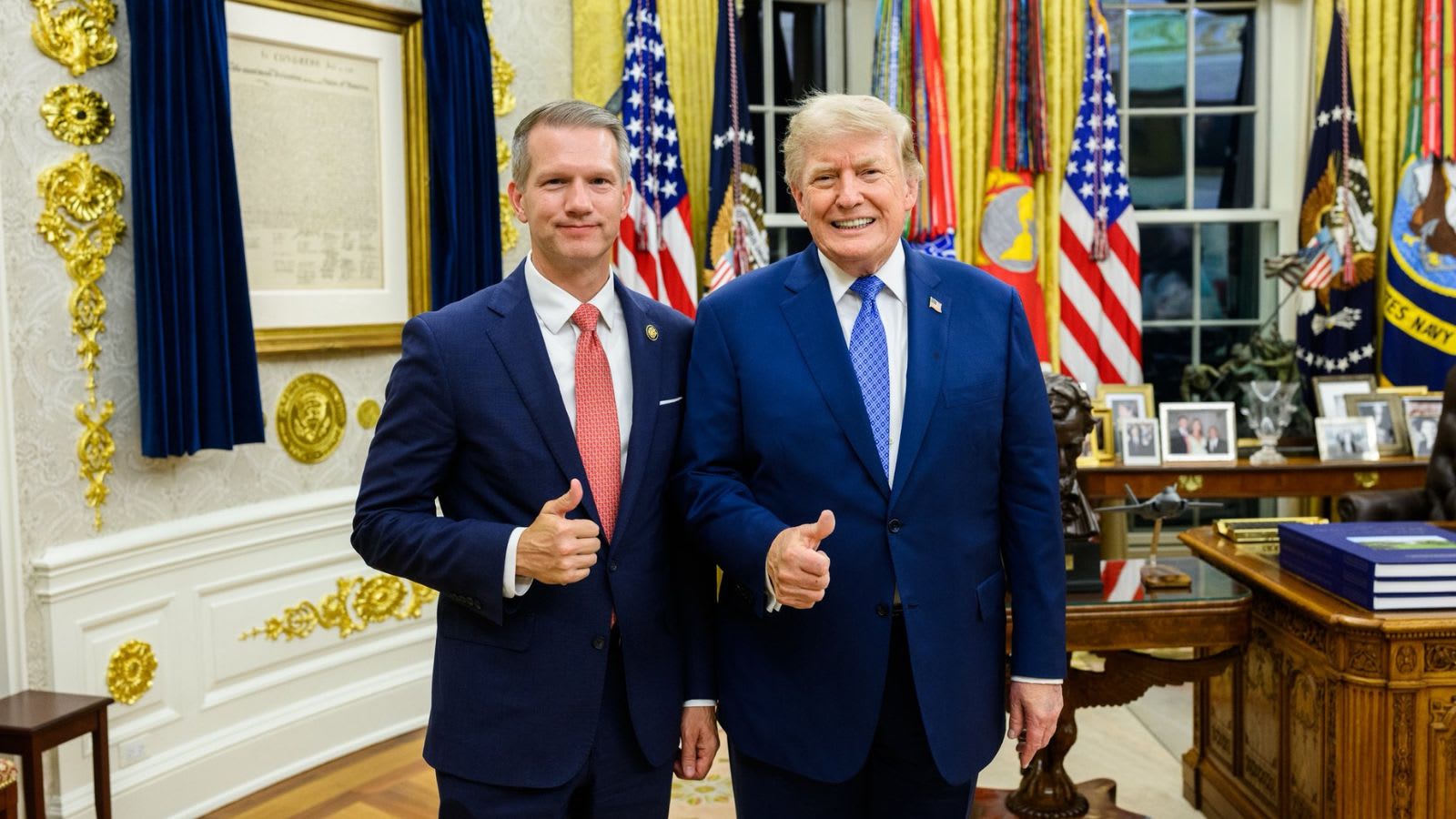
A US lawmaker has criticized proposed Indian amendments to the FCRA, arguing they could allow government takeovers of Christian institutions. The bill, expected in the Lok Sabha, has sparked international concern regarding religious freedom and bilateral relations.
The FCRA Controversy: Navigating Religious Freedom and Sovereignty
The Legislative Context
The recent scrutiny directed at India’s Foreign Contribution Regulation Amendment (FCRA) rules marks a significant point of friction between legislative sovereignty and international concern. The FCRA, which governs the flow of foreign funds to non-governmental organizations (NGOs), civil society, and religious institutions, has long been a mechanism for the Indian state to ensure transparency. However, the proposed amendments, which are slated for introduction in the Lok Sabha next week, have drawn sharp criticism from US Congressman Riley Moore, who characterizes the potential legislative changes as a threat to religious freedom.
The Allegation of Institutional Takeover
Congressman Moore’s primary contention is that the proposed rules could provide the Indian government with the legal authority to seize control of churches and religious charities. By framing this as an "attack on Christians," Moore has elevated a domestic regulatory issue into a matter of international human rights advocacy. This perspective relies on the historical depth of Christianity in India, tracing its roots to the arrival of St. Thomas the Apostle on the Malabar Coast. By invoking this deep historical connection, the critique suggests that the modern legislative framework threatens to dismantle centuries-old religious infrastructure.
Geopolitical Implications for India-US Ties
The discourse surrounding these amendments is not happening in a vacuum. As a "Team Trump" representative, Moore’s intervention signals that elements within the US political landscape are closely monitoring India’s domestic policies through the lens of human rights and religious liberty. This creates a complex dynamic for India-US relations, where the balancing act between maintaining internal administrative control over foreign funding and preserving the strategic partnership with the United States becomes increasingly delicate.
Regulatory Transparency vs. Religious Autonomy
From the perspective of the Indian government, the FCRA is a necessary tool to prevent foreign entities from exerting undue influence on domestic policy through financial means. Proponents argue that the state must regulate how civil society and religious institutions receive capital to ensure national security. Conversely, critics argue that such regulations are often used to disproportionately target minority religious institutions, effectively silencing dissent or limiting the operational capacity of organizations that provide essential social services.
Future Trends and Legislative Outlook
As the bill moves toward the Lok Sabha, the international community will likely continue to observe the proceedings with intensity. If the amendments are passed in their currently proposed form, it may lead to further diplomatic friction or increased scrutiny from foreign donors who rely on the stability of these institutions to carry out their missions. The outcome of this legislative push will likely serve as a litmus test for how India manages the tension between its regulatory objectives and the international expectations regarding the protection of religious institutions.