Keralam govt requests NGT to exempt it from creating ring-fenced account for liquid waste management
Source Entity
India Latest News: Top National Headlines Today & Breaking News | The Hindu
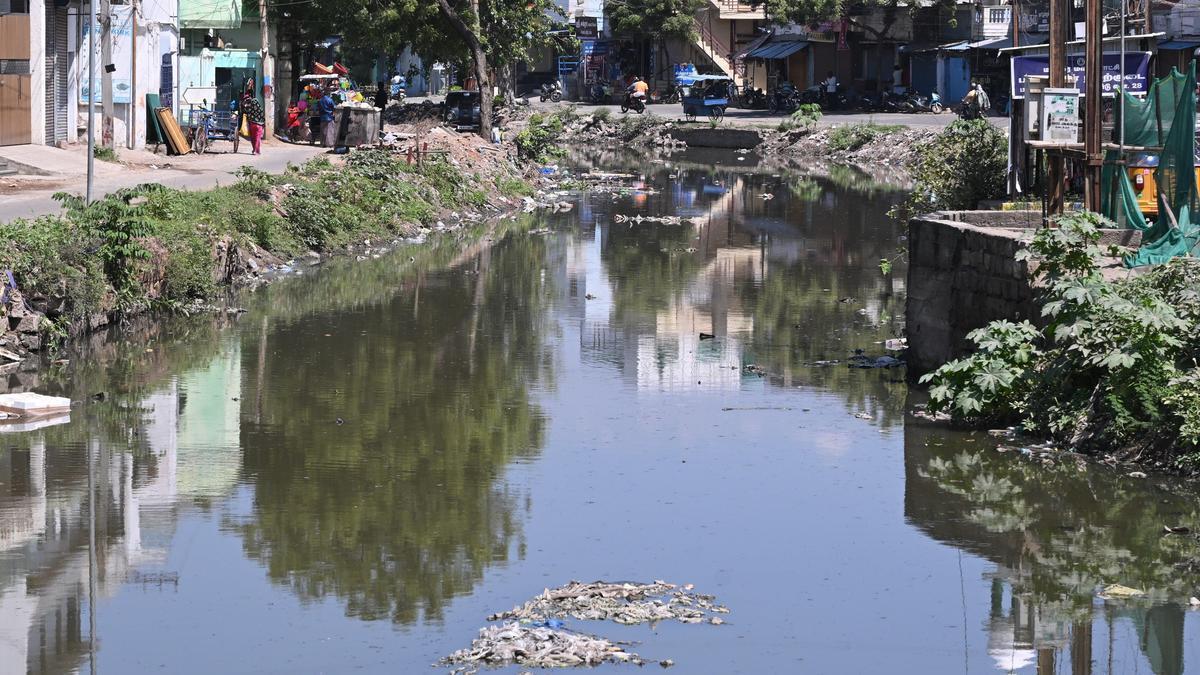
The Kerala government has petitioned the NGT to allow the use of existing decentralized waste management structures instead of a centralized, ring-fenced account. The state argues that current local self-government mechanisms are more effective for environmental restoration and waste project implementation.
Kerala Challenges NGT Centralization Mandate
The Kerala government has formally petitioned the National Green Tribunal (NGT) to reconsider a directive requiring the state to establish a single, centralized ring-fenced account for environmental compensation funds. The tribunal’s Principal Bench in New Delhi had previously mandated this structure to ensure that financial resources earmarked for improper waste management are strictly protected and utilized for environmental remediation. However, the state government argues that this top-down financial approach contradicts the functional realities of its grassroots governance model.
The Case for Decentralization
At the heart of the dispute is the methodology of waste management execution. Kerala has long championed a decentralized approach, empowering local self-government institutions to manage sewage and solid waste at the municipal and panchayat levels. By requesting that the NGT permit the use of these existing structures, the state is arguing that regional authorities are better positioned to execute restoration projects than a centralized state-level entity. The government contends that the current decentralized framework is already equipped to handle the complexities of environmental project implementation.
Financial Complexity and Scheme Integration
One of the most contentious aspects of the NGT’s original order involves the inclusion of funds from various national schemes, such as the Atal Mission for Rejuvenation and Urban Transformation (AMRUT), into the proposed ring-fenced account. The Kerala government has expressed strong objections to this, suggesting that commingling these specific urban transformation funds with general environmental compensation could create bureaucratic bottlenecks. By attempting to isolate these funds, the state fears that essential infrastructure projects currently funded under AMRUT could be delayed or suffer from administrative oversight.
Administrative Friction and Environmental Governance
The tension between the NGT’s regulatory oversight and the state’s administrative preference highlights a broader challenge in Indian environmental governance: the balance between strict financial accountability and operational agility. The NGT’s preference for a ring-fenced account is rooted in a desire to ensure transparency and prevent the diversion of environmental funds. Conversely, the Department of Local Self Government’s submission suggests that rigid financial silos may inadvertently hinder the very restoration efforts the tribunal seeks to accelerate.
Future Implications for Waste Management
Should the NGT uphold its original order, Kerala may be forced to overhaul its financial reporting and fund allocation processes to comply with the centralized mandate. However, if the tribunal grants the state's request, it could set a significant precedent for how other Indian states manage environmental compensation funds. The decision will likely hinge on whether the NGT believes the state's existing decentralized institutions can provide the same level of financial security and project transparency as a dedicated, ring-fenced account.
Conclusion
The ongoing dialogue between the Kerala government and the NGT underscores the complexities inherent in managing environmental compensation on a sub-national scale. As the tribunal reviews the submission from the Department of Local Self Government, the resolution of this matter will be critical in shaping the future trajectory of waste management and environmental restoration projects across the state, balancing the need for strict financial oversight with the practical benefits of decentralized governance.
Verification Required?