State is ‘custodian’ of wildlife, liable for animal attacks, rules Kerala High Court
Source Entity
Ashish Shaji
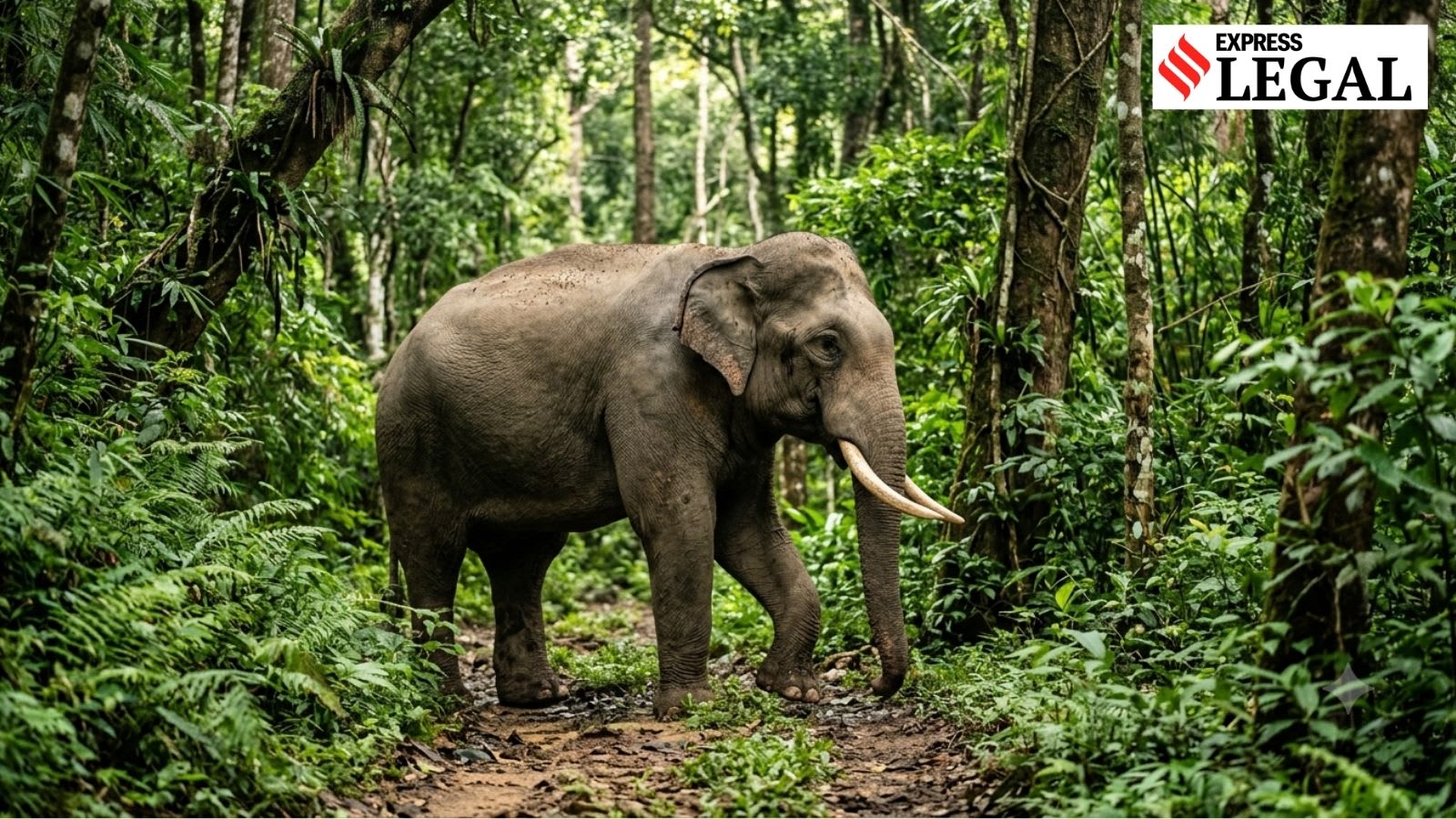
The Kerala High Court has ruled that the state government is legally liable for damages caused by wild animals, citing its role as the custodian of wildlife. This landmark decision emphasizes the state's duty to protect citizens' lives under Article 21 of the Indian Constitution.
The State as Custodian: A Landmark Ruling
The Kerala High Court has established a significant legal precedent by affirming that the state government acts as the primary custodian of wildlife and, consequently, bears liability for harm caused to citizens by wild animals. This ruling, delivered by Justice Mohammed Nias C P, reinforces the principle that the state’s ownership of wildlife entails a reciprocal duty to mitigate the risks these animals pose to human life and property.
Constitutional Obligations and Human Rights
At the heart of the court's decision is the interpretation of Article 21 of the Constitution of India, which guarantees the right to life. The court argued that when the state fails to prevent wild animals from causing fatal harm, it essentially fails to uphold this fundamental right. By framing wildlife as 'property of the Government,' the court shifts the burden of proof, making the state responsible for the safety of its citizens in areas prone to human-wildlife conflict.
Contextualizing the Wayanad Incident
This ruling emerged from a long-standing legal battle regarding a 2001 wild elephant attack in Wayanad. The forest department had initially contested the compensation order, but the court’s dismissal of this appeal signals a shift in judicial policy. It effectively ends the state’s ability to deflect responsibility for wildlife-related tragedies by treating them as unavoidable accidents rather than systemic governance failures.
Broader Implications for Human-Wildlife Conflict
This judgment carries profound implications for regions like Wayanad, where human-elephant conflicts are frequent. By mandating financial accountability, the court is incentivizing the state to invest more heavily in proactive measures, such as better fencing, early warning systems, and improved wildlife management corridors. The financial burden of compensation acts as a policy driver, forcing the government to prioritize the coexistence of humans and wildlife.
Future Trends in Environmental Justice
Looking forward, this ruling is likely to influence litigation across India. As urban expansion and deforestation increasingly push wild animals into human-inhabited zones, the 'custodian' doctrine could become a standard framework for assessing state negligence. This legal shift may lead to more robust insurance schemes for farmers and clearer protocols for state intervention when wildlife encroaches on residential or agricultural lands.
Conclusion
The Kerala High Court's decision marks a pivotal moment in the intersection of environmental law and human rights. By holding the state accountable for the actions of wildlife, the judiciary has asserted that the protection of nature cannot come at the expense of the safety of its citizens. The state is now legally compelled to balance its role as a protector of biodiversity with its primary obligation to safeguard human life.