After fatal Nedumbassery accident, Keralam govt to tighten action against bars serving alcohol to under-23s
Source Entity
India Latest News: Top National Headlines Today & Breaking News | The Hindu
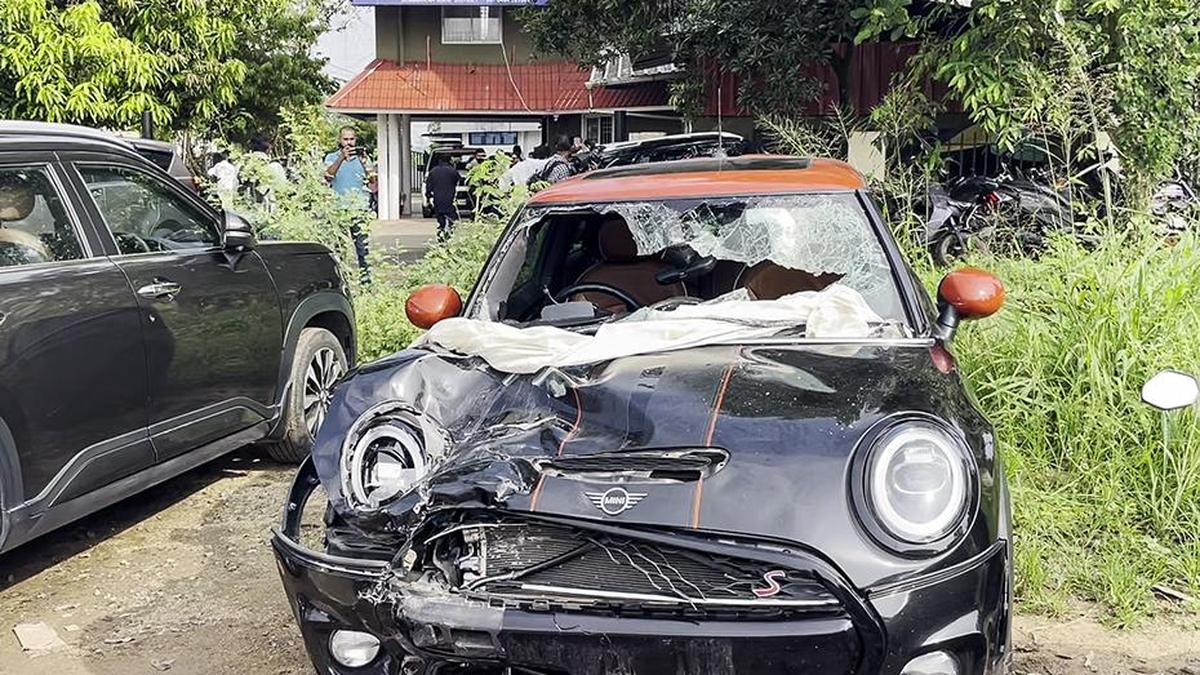
A 19-year-old in Kerala has been charged with culpable homicide after his Mini Cooper struck and killed three people. Investigations into his alleged intoxicated driving and viral social media footage of extreme speeding are currently underway.
The Nedumbassery Tragedy: A Catalyst for Road Safety Reform
The recent fatal accident in Nedumbassery, Kerala, has sent shockwaves through the nation, serving as a grim reminder of the lethal intersection between reckless driving, underage access to high-performance vehicles, and a culture of social media validation. Suhail Sajeev, a 19-year-old, is currently facing a charge of culpable homicide after his Mini Cooper—reportedly a birthday gift—struck a scooter from behind, resulting in the tragic loss of three lives. This incident is not merely a local traffic tragedy; it has evolved into a broader societal debate regarding parental responsibility and the oversight of young drivers behind the wheel of high-performance automobiles.
The Role of High-Performance Vehicles
The vehicle in question, a Mini Cooper, is a high-performance hatchback with a price point ranging from Rs 44 to Rs 60 lakh and capable of exceeding speeds of 200 kmph. The accessibility of such powerful machinery to a teenager has ignited public outrage. The fact that this vehicle was a birthday gift highlights a trend of luxury gifting that, without proper supervision or maturity, can have catastrophic consequences. The disparity between the car's engineering capabilities and the driver's experience level is a critical factor that authorities are now scrutinizing in the wake of this disaster.
Digital Evidence and Reckless Behavior
Central to the police investigation is an 11.8-second video clip from Instagram, purportedly belonging to Sajeev, which shows the vehicle’s speedometer climbing from 204 kmph to 220 kmph. This digital footprint provides chilling evidence of a pattern of reckless behavior that likely preceded the fatal crash. By documenting and sharing such dangerous activities on social media, the accused transformed high-speed driving into a performance, a trend that experts warn is increasingly prevalent among youth seeking online validation.
Alcohol and Accountability
The investigation has expanded beyond the driver to include the establishments that served him. Police suspect that Sajeev was intoxicated during the incident, having allegedly visited multiple bars prior to the crash. Current inquiries are focused on whether these establishments violated regulations by serving alcohol to an underage individual. This dimension of the case highlights the systemic failures in enforcing excise laws, which are meant to act as a barrier between intoxicated individuals and the public roads.
Culpable Homicide and Legal Implications
The decision by law enforcement to register a case of culpable homicide—a more severe charge than standard negligence—indicates the gravity with which the authorities view the circumstances of this crash. By pursuing this charge, the state is signaling that the combination of high speed, alleged intoxication, and disregard for human life constitutes a criminal act that goes beyond a simple traffic accident. The outcome of this case will likely set a legal precedent for how similar cases of vehicular manslaughter are prosecuted in India moving forward.
Future Trends and Societal Reflection
As the investigation continues, this tragedy is likely to force a reassessment of how luxury vehicles are marketed and gifted, and how state authorities monitor social media for evidence of criminal traffic violations. The outrage generated by this incident suggests a growing public intolerance for reckless driving and a demand for stricter accountability for both drivers and the entities that facilitate their dangerous behavior. Ultimately, the Nedumbassery crash serves as a somber call to action for improved road safety enforcement and a cultural shift in how society views the intersection of wealth, youth, and personal responsibility.
Multiple Citing Sources
Verification Required?