Property row can’t leave aged widow without dignity: Madras High Court orders daily check
Source Entity
Vineet Upadhyay
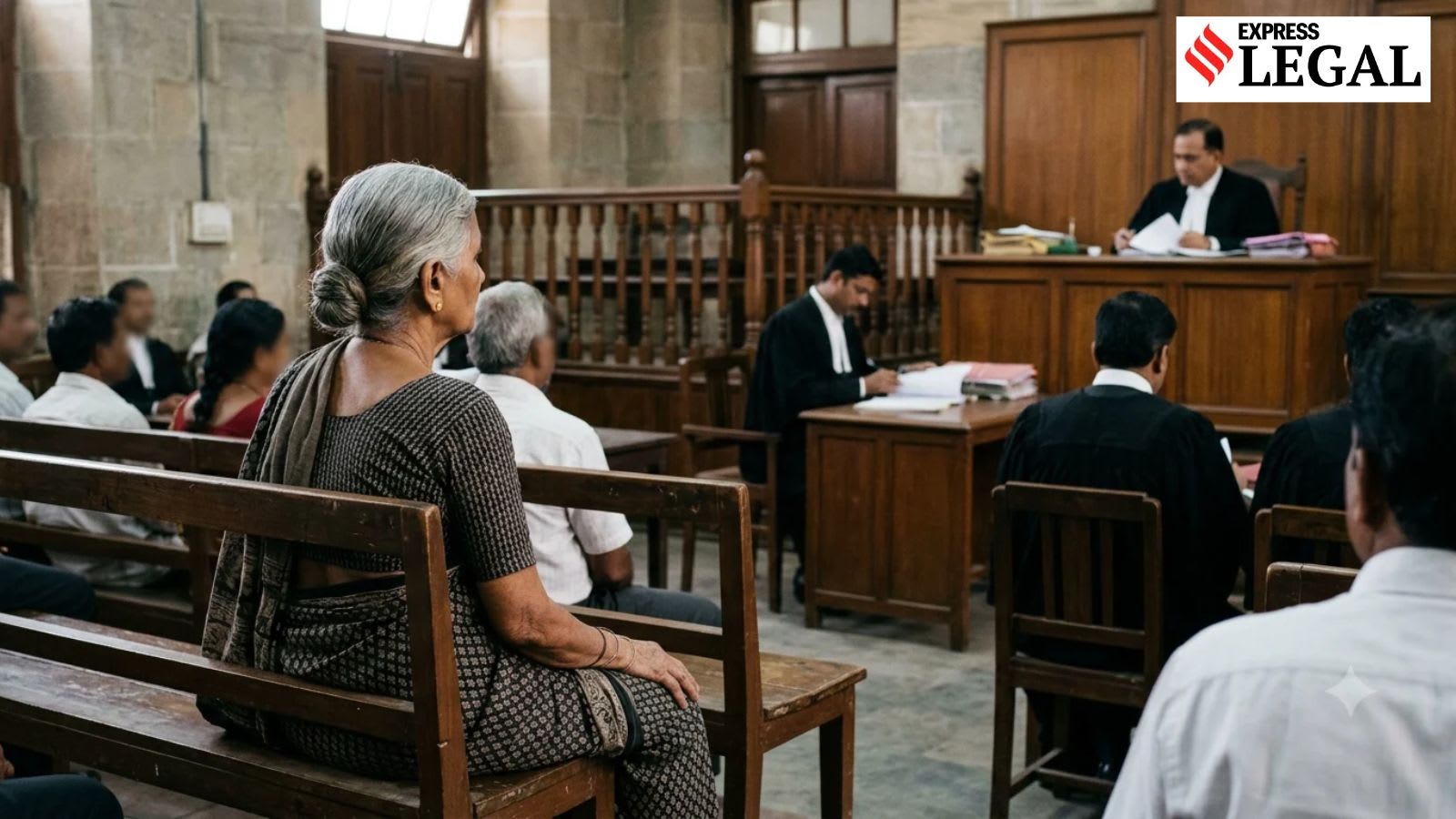
The Madras High Court has mandated daily police welfare checks for a 73-year-old widow embroiled in a property dispute. The court also ordered her adopted son to provide monthly maintenance, emphasizing that property conflicts must not strip elderly individuals of dignity and basic care.
Upholding Dignity: The Madras High Court's Landmark Intervention
In a compassionate and legally significant ruling, the Madras High Court has intervened in a distressing case involving a 73-year-old widow, Mahalakshmi, who was caught in a protracted property dispute with her adopted son. Justice Shamim Ahmed, presiding over the matter, issued a directive to the Puducherry Police to conduct daily wellness checks on the elderly woman. This order ensures that she is provided with essential food, necessary medications, and a secure living environment, reinforcing the judiciary's role as the ultimate guardian of vulnerable citizens.
Legal Framework: The Protection of Women from Domestic Violence Act
The proceedings originated from a case registered under the Protection of Women from Domestic Violence Act, 2005. This legislation serves as a critical shield for women in domestic settings, providing them with legal avenues to seek residence and protection from abuse. By invoking this Act, the court has signaled that property disputes cannot be used as a pretext to bypass the fundamental rights of elderly women to reside in their homes. The court’s decision to override an appellate court’s stay reflects a judicial priority on human welfare over procedural technicalities.
The Mandate for Financial Security
Beyond the requirement for daily police monitoring, the court took a decisive step by ordering the adopted son to pay Rs 15,000 monthly toward the widow's maintenance. This financial directive acts as a buffer against neglect, ensuring that the burden of care does not fall solely on state resources. It serves as a stern reminder that familial obligations are not merely moral suggestions but legal duties that can be enforced through judicial mandates, particularly when the dignity of a senior citizen is at stake.
Broadening the Scope of Senior Citizen Care
Justice Ahmed’s observation that "protective legislation concerning senior citizens cannot be reduced to a mere monetary arrangement" highlights a shifting paradigm in Indian jurisprudence. The court is increasingly viewing the rights of the elderly not just through a lens of financial support, but through the lens of holistic care—including physical safety, emotional stability, and the right to live with dignity. This ruling sets a powerful precedent for how lower courts should approach cases where senior citizens are sidelined during familial conflicts.
Future Implications for Judicial Precedent
This ruling is expected to influence future litigation involving the Maintenance and Welfare of Parents and Senior Citizens Act. By integrating police oversight with financial accountability, the Madras High Court has created a comprehensive model for protecting the elderly. As India faces an aging population, the enforcement of such protections will become increasingly vital to prevent the erosion of social support systems, ensuring that legal disputes do not render the vulnerable destitute. The court's proactive stance provides a blueprint for balancing property rights with the paramount need for human dignity.