Puducherry to roll out QR-code-enabled garbage collection system
Source Entity
India Latest News: Top National Headlines Today & Breaking News | The Hindu
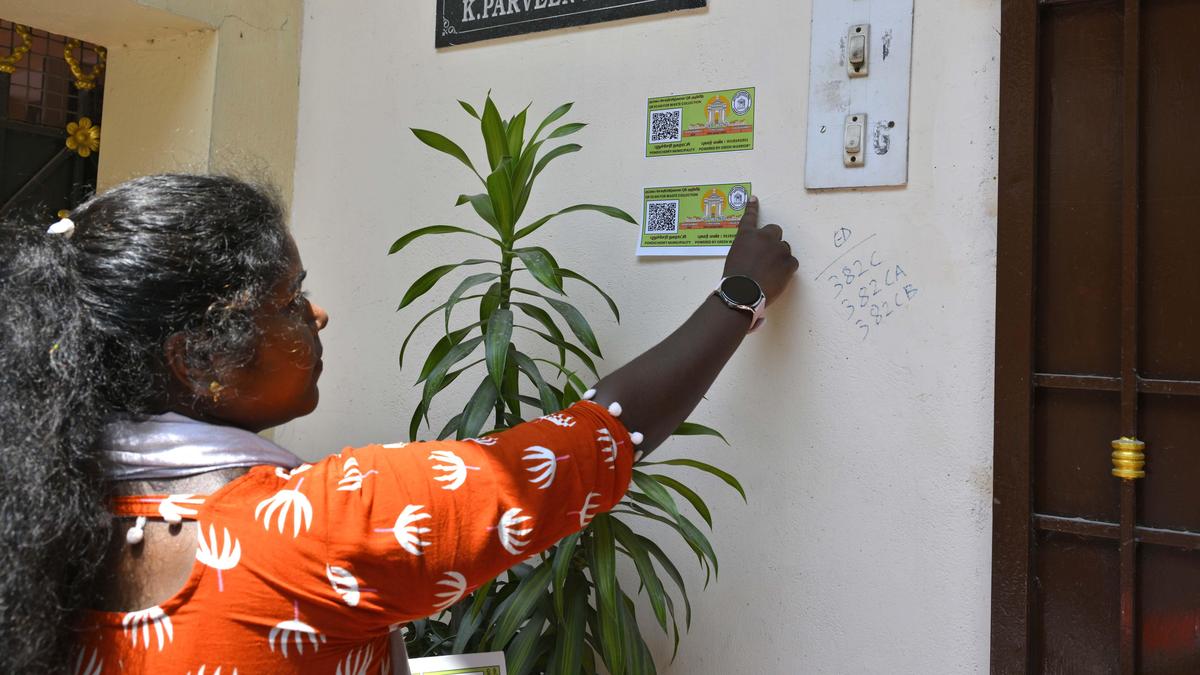
Puducherry is implementing a QR-code-based garbage collection monitoring system to ensure 100% door-to-door service coverage. Sanitation workers are opposing the initiative, citing concerns over increased workloads and operational pressure.
Modernizing Waste Management in Puducherry
The Puducherry administration has embarked on a significant digital transformation initiative by introducing a QR-code-based monitoring system for solid waste collection. This project, which covers the Puducherry and Oulgaret municipalities, aims to streamline the city's waste management infrastructure. By affixing unique QR stickers to over 198,000 households, the government intends to track the frequency of sanitation worker visits, ensure 100% door-to-door coverage, and create a transparent feedback loop for residents via integrated complaint contact numbers.
The Operational Scope
The scale of this operation is substantial, involving the tagging of 89,596 houses in the Puducherry municipality and 1,08,799 in Oulgaret. The Local Administration Department, in partnership with the private firm 'Green Warrior', is tasked with managing the daily output of approximately 450 tonnes of waste. The implementation of this technology is designed to identify service gaps and hold contractors accountable for consistent collection cycles, which is a critical step for urban sanitation sustainability.
Labor Concerns and Resistance
Despite the clear administrative benefits, the project faces stiff opposition from the Puducherry State Sanitation Workers’ Union. The union argues that the digital monitoring system imposes an undue burden on an already overstretched workforce. Their primary grievance is that the administrative overhead of scanning codes and adhering to rigid tracking metrics adds a layer of scrutiny that complicates their daily manual labor, potentially leading to burnout or punitive measures based on algorithmic data.
Technological Oversight vs. Worker Welfare
This conflict highlights a recurring tension in modern urban governance: the friction between deploying 'smart city' technologies and maintaining fair labor practices. While the QR system offers the administration data-driven insights into waste management efficiency, the workers perceive it as an intrusive layer of surveillance. The success of the program will likely depend on whether the government can address these worker concerns through dialogue or by refining the software to ensure it supports, rather than hinders, the sanitation staff.
Broader Implications for Urban Sanitation
If successful, this QR-code system could serve as a model for other Indian municipalities struggling with waste collection consistency. However, the path to implementation must reconcile technological efficiency with the practical realities of the workforce. The Puducherry government must navigate the balance between optimizing municipal services and ensuring that the human element of sanitation—the workers themselves—is not marginalized in the pursuit of digital modernization.
Future Trends and Conclusion
Looking ahead, the integration of IoT and digital tracking in municipal services is inevitable as cities strive for cleaner environments. The Puducherry case serves as a poignant reminder that technological adoption in the public sector is not purely an engineering challenge but a social one as well. Moving forward, the administration will need to find a compromise that maintains the goal of efficient waste disposal while alleviating the workload anxieties expressed by the sanitation unions.
Verification Required?