Strike by a section of online taxi operators continues in Kerala
Source Entity
India Latest News: Top National Headlines Today & Breaking News | The Hindu
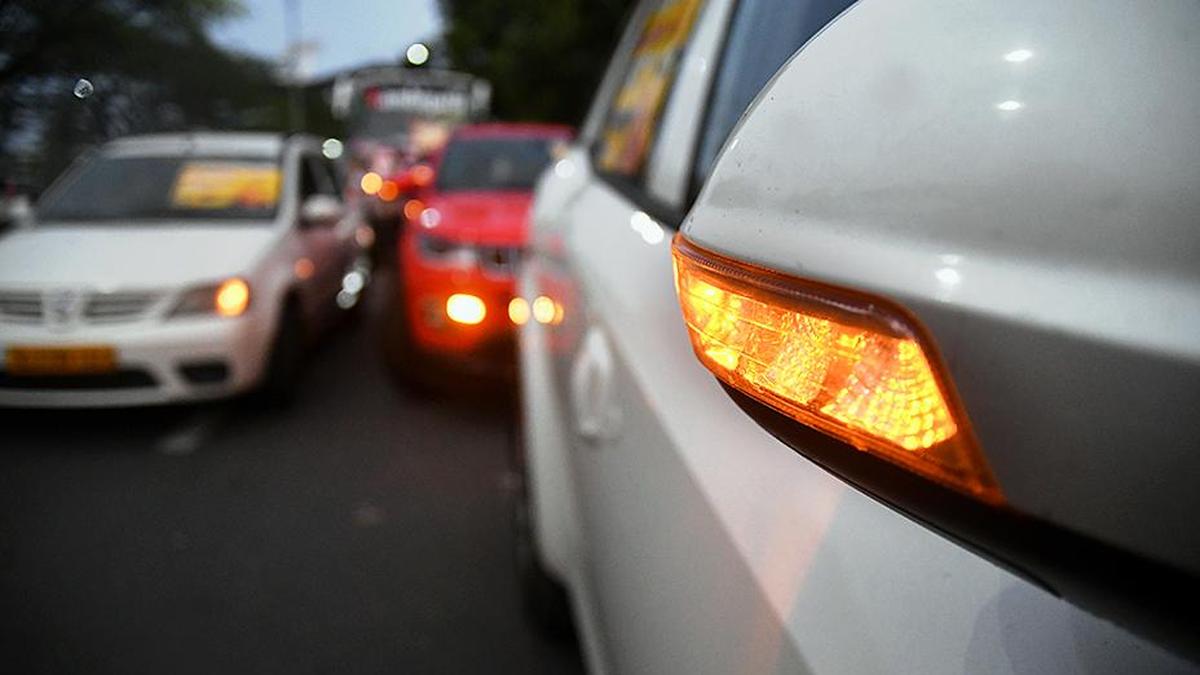
Kerala online taxi drivers have ended their three-day strike for most platforms but are continuing an indefinite boycott of Uber. The drivers are protesting high commission rates and demanding better working conditions.
The Shift in Kerala's Gig Economy Landscape
The decision by the All Kerala Online Drivers Union Alliance (AKODUA) to partially end their three-day strike marks a significant turning point in the ongoing labor disputes within Kerala’s gig economy. Since July 21, 2026, drivers had engaged in an 'offline strike' to protest against the operational policies of major mobility aggregators. While services have resumed for platforms like Kerala Savari and Rapido, the continued boycott of Uber highlights a deepening rift between drivers and dominant market players.
The Core Grievances: Commissions and Autonomy
At the heart of this industrial action are long-standing grievances regarding the commission structures imposed by ride-hailing firms. Drivers have persistently argued that the percentage of fares taken by these platforms is unsustainable, especially amidst rising operational costs. This strike, which spanned several days, represents the culmination of a decade-long struggle by drivers to secure a more equitable share of the revenue generated through these digital marketplaces.
Selective Boycotts as a Strategic Tool
By choosing to resume services on state-backed or more cooperative platforms like Kerala Savari, while maintaining a firm stance against Uber, the union is utilizing a sophisticated strategy. This 'selective boycott' serves to pressure specific companies that have been perceived as less responsive to union demands. It effectively forces a market shift where drivers are consciously migrating their labor to platforms that they believe offer more favorable terms, potentially disrupting the market share of the targeted aggregator.
The Role of Regulatory Dialogue
Labor disputes in the gig economy are rarely solved without intervention or structured negotiation. The mention of upcoming talks suggests that the conflict has reached a stage where both the platforms and the drivers recognize the need for a mediated resolution. However, the success of these talks will likely depend on whether the aggregator is willing to address the fundamental issue of commission rates that have been a point of contention for nearly ten years.
Future Trends and Implications
This event signals a growing trend of organized labor action within the gig economy, moving away from informal complaints toward structured, union-backed strikes. If the AKODUA succeeds in its demands against Uber, it could set a precedent for gig workers across India to organize more effectively against unilateral policy changes by tech giants. The future of app-based transport in Kerala will likely be defined by how platforms balance their profitability with the growing demand for fair labor practices.
Conclusion
As of July 24, 2026, the partial cessation of the strike brings temporary relief to commuters in Kerala, but the ongoing boycott of Uber indicates that the conflict is far from over. The coming weeks will be critical as both parties enter a new round of negotiations, with the potential to reshape the operational dynamics of ride-hailing services in the region.
Verification Required?