Avenues of professional reward opening up for artistes from tribal communities in Kerala
Source Entity
India Latest News: Top National Headlines Today & Breaking News | The Hindu
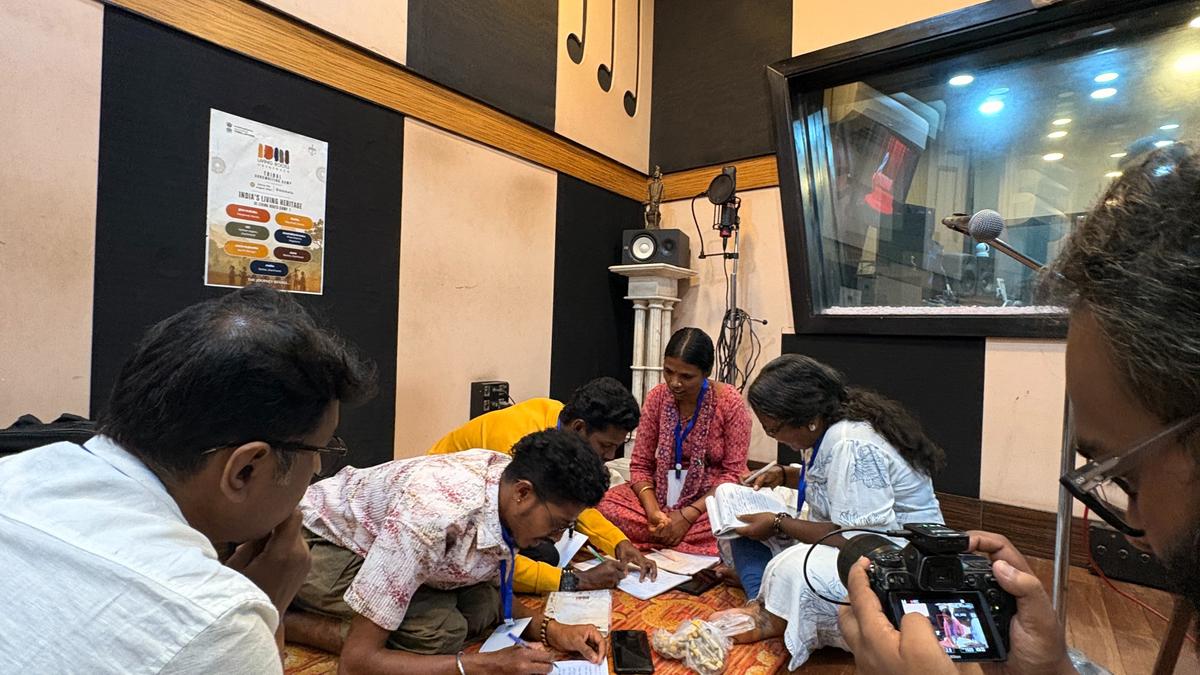
Tribal artistes in Kerala are gaining access to professional opportunities and legal knowledge regarding copyright and royalties. This shift is helping indigenous musicians transition from traditional practices to mainstream recognition and financial sustainability.
Empowering Tribal Artistry: A New Frontier in Kerala
The landscape for indigenous music in Kerala is undergoing a significant transformation as artistes from tribal communities, such as the Paniya and Kattunaika of Wayanad, begin to access professional platforms and legal empowerment. A recent residential camp held in Kolkata served as a pivotal venue for these musicians, providing them with the necessary exposure and knowledge to navigate the complexities of the modern music industry. By focusing on intellectual property, these initiatives are bridging the gap between traditional folk heritage and contemporary professional practice.
The Challenge of Mainstream Recognition
Historically, practitioners of indigenous tribal and folk music have faced systemic barriers to entry within the mainstream commercial music sector. These artistes often lack the institutional support and legal literacy required to protect their creative output. Consequently, their contributions to the cultural tapestry are frequently appropriated without fair compensation or credit, leaving these communities marginalized despite the immense value of their artistic traditions.
The Precedent of Success
The narrative of Nanjiamma, the Attappadi-based singer who secured a National Film Award for the viral track Kalakkatha, serves as a beacon of hope for many. Her success in the film Ayyappanum Koshiyum demonstrated that there is a profound commercial and critical appetite for authentic tribal music. However, experts note that Nanjiamma remains an exception rather than the rule, highlighting the urgent need for a more structured approach to talent development and protection for tribal creators.
Legal Empowerment: Copyright and Royalties
At the heart of the current efforts to support these artistes is the fundamental education on copyright and royalties. For many tribal musicians, the concept of legal ownership over their ancestral songs and new compositions is a novel but vital tool. By understanding their rights, these artistes can ensure that they are not only recognized for their work but also financially rewarded, allowing them to sustain their craft as a viable profession rather than merely a cultural obligation.
Future Trends and Cultural Preservation
As independent festivals and archival projects begin to prioritize the voices of tribal artistes, the future looks increasingly promising. This movement is not just about economic gain; it is about the preservation of intangible cultural heritage. By professionalizing these art forms, the industry is ensuring that tribal music continues to evolve while remaining rooted in its original context, preventing the dilution of these rich traditions by commercial interests.
Conclusive Summary
The initiatives currently unfolding in Kerala represent a critical step toward social and economic justice for tribal communities. By combining artistic exposure with legal literacy, stakeholders are creating a sustainable ecosystem where indigenous voices can thrive. Continued support for these programs will be essential in ensuring that the next generation of tribal artistes receives the respect, recognition, and remuneration they deserve.
Verification Required?