Netanyahu Made Big Claim About Iran's Nuclear Plan. His Source Was A Fake Post
Source Entity
NDTV News Search Records Found 1000
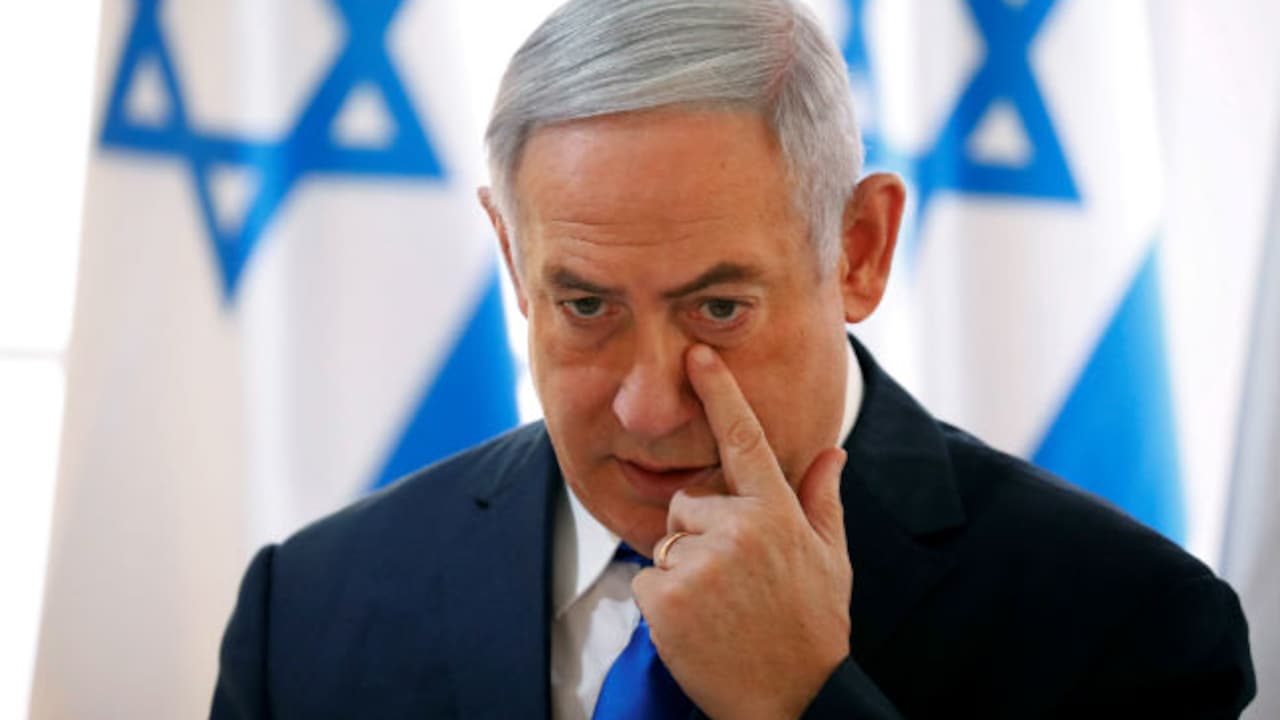
Israeli Prime Minister Benjamin Netanyahu cited a social media post claiming an Iranian commander admitted to nuclear weapon development. Investigations confirmed the post was fake, and there is no evidence that Iran currently possesses a nuclear weapon.
The Perils of Digital Misinformation in Geopolitical Discourse
Recent reports have surfaced regarding a significant claim made by Israeli Prime Minister Benjamin Netanyahu concerning Iran's nuclear capabilities. The Prime Minister's assertion, which suggested that an Iranian commander had admitted to progress in nuclear weapon development, was traced back to a social media post that has since been debunked. This incident serves as a stark reminder of how rapidly unverified digital information can permeate the highest levels of government and influence international security narratives.
The Anatomy of a Fabricated Claim
The core of the controversy lies in the lack of evidentiary support for the claim attributed to the Iranian official. Forensic analysis of the source material revealed that no such statement was ever made by the commander in question. In the digital age, state actors and international observers alike are increasingly vulnerable to sophisticated misinformation campaigns. When political leaders integrate these unverified digital artifacts into their official rhetoric, it risks escalating regional tensions based on falsehoods rather than intelligence-backed reality.
Assessing the Nuclear Status Quo
Beyond the specific falsehood of the social media post, it remains a verified fact that there is currently no credible evidence to suggest that Iran has successfully manufactured a nuclear weapon. While the International Atomic Energy Agency (IAEA) continues to monitor Iran’s enrichment activities with rigorous scrutiny, the distinction between enrichment capacity and the actual construction of a weapon is critical. Conflating these two concepts has long been a feature of regional rhetoric, but it does not align with the current technical consensus.
Broader Implications for Global Security
The reliance on social media as a primary source for high-stakes geopolitical intelligence represents a significant shift in diplomatic communication. By bypassing traditional, vetted intelligence channels, leaders risk undermining their own credibility and the stability of their respective regions. The rapid dissemination of this fake post highlights the necessity for more robust digital literacy and verification protocols within government information offices to ensure that policy decisions are grounded in fact rather than viral disinformation.
Historical Context and Future Trends
Historically, the 'nuclear threshold' has been a point of extreme sensitivity in Middle Eastern geopolitics. The use of misinformation to justify policy shifts or to exert psychological pressure on adversaries is not new, but the velocity at which these claims travel in the social media era is unprecedented. Moving forward, the international community must remain vigilant against the weaponization of misinformation. The future of global security will depend heavily on the ability of state actors to distinguish between genuine intelligence and the noise of a polarized, digital information landscape.
Verification Required?