Despite zoonotic disease threat, Keralam’s veterinary public health wing yet to take shape
Source Entity
India Latest News: Top National Headlines Today & Breaking News | The Hindu
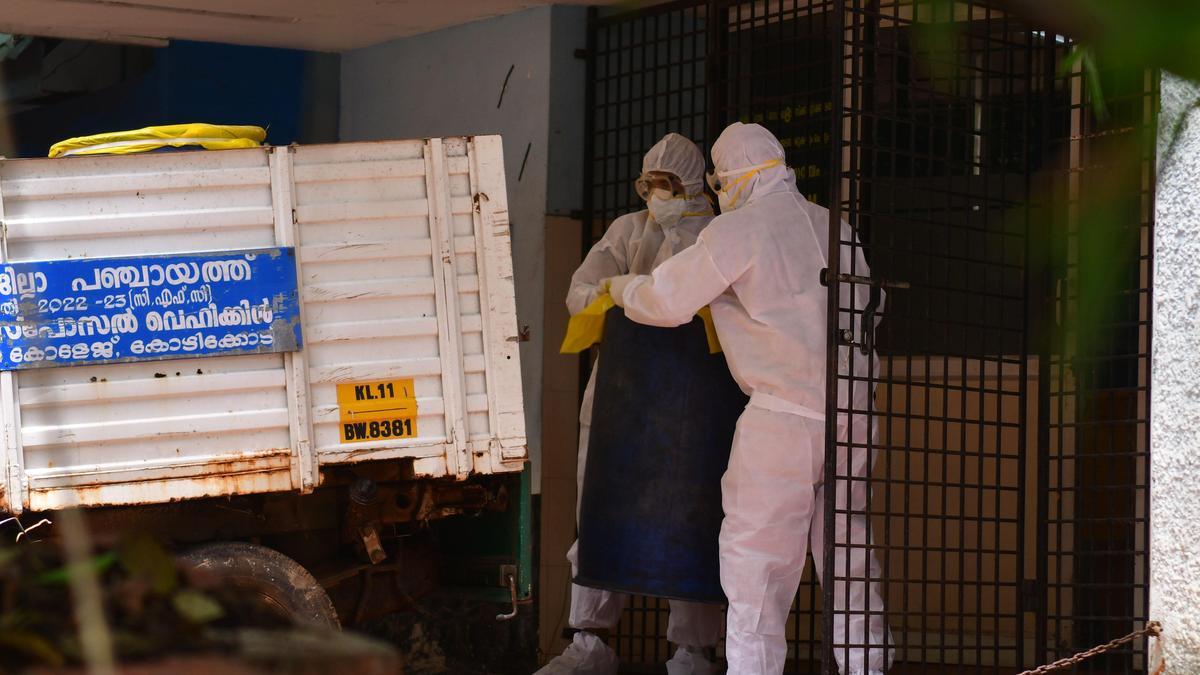
Despite a 2016 cabinet approval for a dedicated veterinary public health wing in Kerala, the initiative remains unimplemented. This delay hinders the state's capacity to manage zoonotic diseases and animal welfare effectively.
The Stalled Evolution of Kerala's Veterinary Public Health
In 2016, the Oommen Chandy cabinet in Kerala reached a pivotal decision to overhaul the state’s veterinary infrastructure by approving the recommendations of the Gita N. Potty committee. Among the most significant, yet unrealized, components of this mandate was the establishment of a dedicated veterinary public health (VPH) wing. This initiative was designed to serve as a cornerstone for modernizing the Animal Husbandry department, shifting its focus from purely clinical livestock services to a comprehensive public health framework capable of addressing the complex intersections between animal and human health.
The Mandate for Organizational Restructuring
The Gita N. Potty committee, which submitted its comprehensive report in 2014, went beyond addressing wage disparities among veterinary officers. It envisioned a robust organizational restructuring that would integrate a food safety unit alongside specialized animal management and welfare units. By design, these units were tasked with critical operations such as animal tranquilization, the management of animal birth control (ABC) squads, and the systemic mitigation of zoonotic diseases. The failure to manifest this vision leaves a significant gap in the state's administrative machinery.
Zoonotic Risks and the Urgency of Action
Zoonotic diseases—pathogens that jump from animals to humans—represent an escalating threat to global health security. The delay in establishing the VPH wing is particularly concerning given the increasing frequency of wildlife-human interactions and the need for proactive disease surveillance. A dedicated wing would provide the necessary institutional authority to monitor zoonotic outbreaks at the source, ensuring that animal welfare and public safety are treated as inseparable objectives within the state's health policy.
Institutional Inertia and Policy Implementation
The decade-long lag between the cabinet's approval and the current state of affairs highlights a recurring challenge in bureaucratic implementation: the transition from policy approval to functional execution. While the initial impetus focused on the professional needs of veterinary officers, the broader public health implications of the Gita N. Potty report remain sidelined. This lack of prioritization suggests that the systemic requirements for zoonotic disease management have not yet been integrated into the core operational strategy of the relevant departments.
Future Implications for Public Health
Looking forward, the health landscape in Kerala will likely demand a more integrated 'One Health' approach, where human, animal, and environmental health are managed as a single ecosystem. Without the specialized VPH wing proposed nearly a decade ago, Kerala risks being reactive rather than proactive in the face of emerging biological threats. To catch up with modern public health standards, the state must revisit the 2016 cabinet decision and prioritize the allocation of resources to finally operationalize these long-awaited veterinary units.
Verification Required?