71% consumers in Mumbai rarely asked for prescription, survey finds; Maharashtra FDA acted against 880 drug licensees in three months
Source Entity
India Latest News: Top National Headlines Today & Breaking News | The Hindu
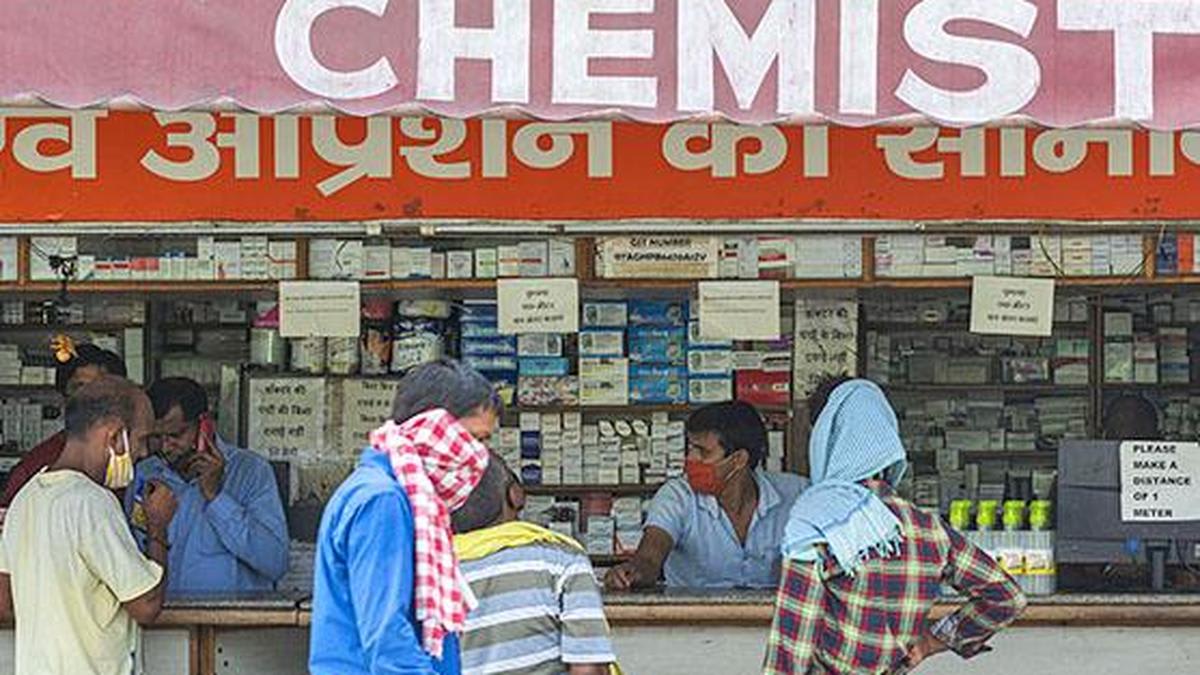
A recent LocalCircles survey reveals that 71% of Mumbai consumers can easily purchase prescription drugs without a doctor's note. In response, the Maharashtra FDA has initiated enforcement actions against 880 drug licensees to curb unsafe pharmaceutical practices.
The Crisis of Prescription Oversight in Mumbai
A recent survey conducted by LocalCircles, published on September 18, 2026, has shed light on a concerning trend within Mumbai’s pharmaceutical retail sector. The data reveals that 71% of consumers in the city report that chemists rarely or never demand a doctor's prescription when selling restricted medicines. This figure notably exceeds the national average of 64%, positioning Mumbai as a significant outlier in the enforcement of pharmaceutical regulations. This disconnect between policy and practice poses a substantial risk to public health, as the sale of prescription-only drugs without professional oversight can lead to misuse, antibiotic resistance, and dangerous self-medication practices.
Regulatory Crackdown and Enforcement
In direct response to the lax adherence to safety protocols, the Maharashtra Food and Drug Administration (FDA) has intensified its regulatory oversight. Over the past three months, the agency has taken punitive action against 880 drug licensees found to be in violation of standard operating procedures. This aggressive enforcement campaign signals a shift in the state's approach to retail pharmacy management, moving from passive monitoring to active intervention to ensure that only authorized personnel are dispensing medications and that strict prescription requirements are maintained.
The Role of Qualified Personnel
Beyond the issue of prescription checks, the survey highlights a critical gap in professional staffing at pharmacies. Only 28% of respondents indicated that they were assisted by a qualified pharmacist most or all of the time. Conversely, 21% of consumers reported receiving assistance from individuals who lacked the requisite professional qualifications. This reliance on unqualified staff further complicates the safety landscape, as the absence of a pharmacist undermines the primary defense against incorrect dosing, drug interactions, and the unauthorized distribution of controlled substances.
Proposed Technological Safeguards
To combat the systemic issues identified in the survey, the Central government has proposed the implementation of mandatory CCTV surveillance at medical stores that sell prescription drugs. This move aims to create an audit trail for drug distribution, providing authorities with the means to verify whether transactions are backed by valid prescriptions. By integrating physical surveillance into the regulatory framework, the government hopes to deter non-compliant retailers and provide a transparent record that can be reviewed during inspections by the FDA or other governing bodies.
Implications and Future Outlook
The findings from the LocalCircles survey, which synthesized over 20,000 responses across various metrics, serve as a wake-up call for the healthcare ecosystem in Maharashtra. The reliance on informal dispensing practices is not merely a matter of convenience; it is a structural failure that requires a multi-pronged solution. Moving forward, the success of the Maharashtra FDA’s enforcement efforts will depend on sustained monitoring and the eventual adoption of digital, real-time prescription verification systems. If the proposed CCTV mandate is effectively implemented, it may serve as a blueprint for other Indian states facing similar challenges in regulating retail pharmaceutical compliance.
Verification Required?