104 and walking again: What made this centenarian a candidate for double knee replacement
Source Entity
The Indian Express
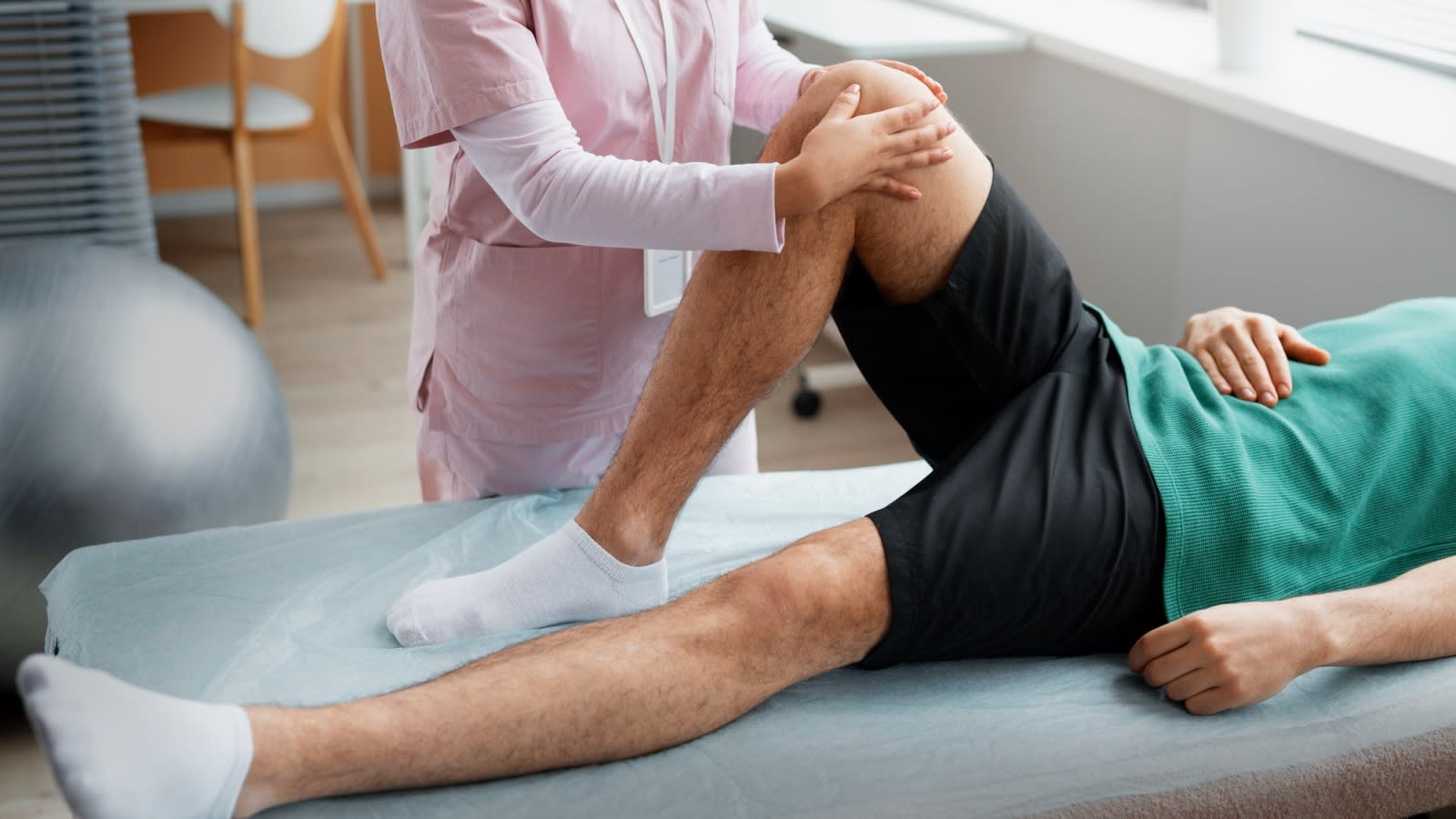
Advancements in robotic-assisted surgery and pain management are enabling elderly patients, including centenarians, to undergo successful knee replacements. These procedures now offer rapid recovery times, allowing patients to regain mobility almost immediately.
The Evolution of Orthopaedic Surgery for the Elderly
The landscape of orthopaedic surgery is undergoing a profound transformation, challenging long-held medical conventions regarding the suitability of major procedures for geriatric patients. Historically, the prospect of performing a double knee replacement on a patient over the age of 100 would have been dismissed as too risky. However, recent clinical experiences, such as the case handled by Dr. Sanjeev Jain involving a 104-year-old Saudi patient, demonstrate that age alone is no longer an absolute contraindication for surgery.
Redefining Surgical Feasibility
Dr. Jain’s account of a 104-year-old patient who arrived bedridden but returned home walking highlights the critical role of bone density and physiological resilience in successful outcomes. The decision to proceed with a bilateral replacement for a centenarian was initially driven by the family’s desire for pain relief; however, the unexpected strength of the patient’s bones allowed for a transformative result. This suggests that modern orthopaedics must shift focus from chronological age to biological age when assessing surgical candidates.
The Rise of Robotic-Assisted Procedures
Parallel to these clinical milestones is the technological leap provided by robotic-assisted total knee replacement (TKR). The case of 83-year-old former Army Chief General JJ Singh exemplifies this trend. By utilizing robotic precision, surgeons like Dr. Rajeev K. Sharma can execute procedures with minimal tissue disruption. This precision is the primary factor enabling patients to transition from the operating table to walking unassisted within hours, effectively turning a major surgery into a fast-track, near-daycare experience.
Impact on Quality of Life and Mobility
For elderly patients, the implications of these advancements are life-changing. The ability to return to activities like golf shortly after a TKR, as demonstrated by General Singh, underscores that mobility in later years is a realistic goal rather than an optimistic hope. By reducing the duration of hospital stays and minimizing the trauma associated with traditional open surgery, medical professionals are significantly lowering the risks of post-operative complications such as blood clots and hospital-acquired infections.
Future Trends and Considerations
As the global population ages, the demand for geriatric-focused orthopaedic interventions will inevitably rise. The success of these high-stakes procedures points toward a future where surgical protocols are increasingly personalized, emphasizing rapid mobilization and minimally invasive techniques. While not every patient will be a candidate for such aggressive interventions, the standard of care is clearly moving toward a model that prioritizes functional independence, regardless of the patient's age.
Conclusion
The convergence of advanced robotics, improved pain management protocols, and a deeper understanding of geriatric physiology has effectively dismantled the barriers to surgical mobility for the elderly. Whether it is a centenarian finding relief from chronic pain or a veteran returning to an active lifestyle, these medical advancements represent a significant victory in the quest for healthy aging.