Dr Reddy’s to distribute India’s first dengue vaccine Qdenga in 2027
Source Entity
Purnima Sah
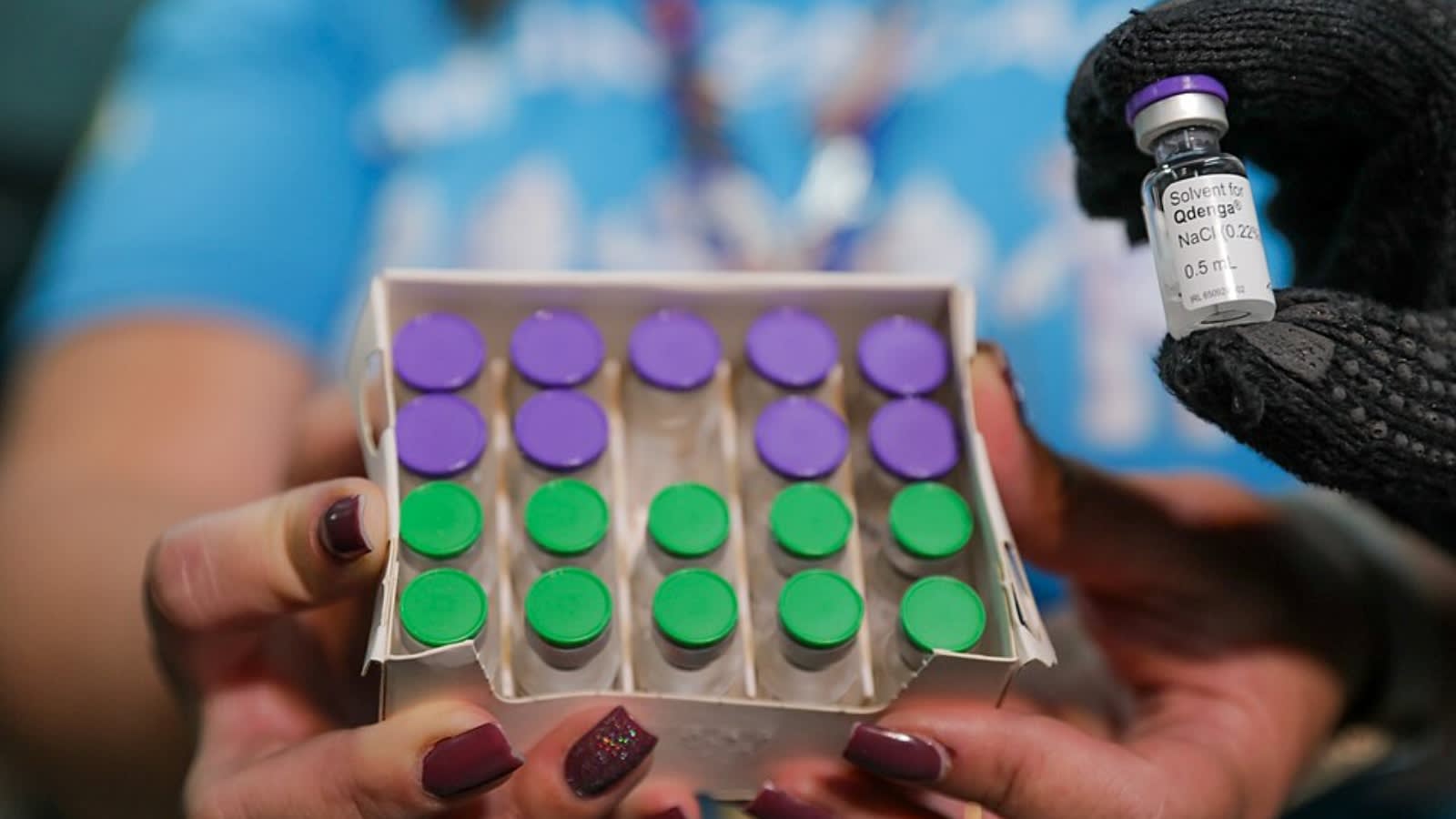
Dr. Reddy’s Laboratories has partnered with Takeda to distribute the dengue vaccine Qdenga in India by early 2027. The vaccine, approved for individuals aged 4 to 60, aims to combat the four primary virus serotypes currently circulating in the country.
A Milestone in India’s Fight Against Dengue
The landscape of public health in India is set to undergo a significant transformation following the announcement of an exclusive partnership between Takeda Pharmaceutical Company and Dr. Reddy’s Laboratories. This collaboration focuses on the distribution of Qdenga, India’s first approved dengue vaccine, which is slated for a private market rollout in the first half of 2027. This move represents a major step forward in addressing a seasonal health crisis that has long burdened the nation’s medical infrastructure.
Regulatory Context and Marketing Authorization
Following the Central Drugs Standard Control Organisation (CDSCO) granting marketing authorization in July 2026, the vaccine is indicated for individuals aged 4 to 60 years. This broad age range is critical, as it covers both the pediatric population—often the most vulnerable to severe dengue complications—and the adult workforce. While the regulatory hurdle of initial approval has been cleared, the timeline for the 2027 launch remains contingent upon the successful completion of remaining regulatory and quality-related processes, ensuring that the vaccine meets all safety standards before reaching the public.
Targeting Complex Serotypes
One of the most complex aspects of dengue fever is its viral nature; the disease is caused by four distinct virus serotypes: DENV-1, DENV-2, DENV-3, and DENV-4. The efficacy of a vaccine is often measured by its ability to provide cross-protection against these varying strains. By introducing Qdenga, India is adopting a tool designed to tackle this multi-serotype challenge, which is essential for reducing the incidence of severe disease and preventing the complications often associated with secondary infections.
Economic and Market Implications
As the vaccine prepares for its 2027 debut, the economic dimension remains a focal point. Currently, Dr. Reddy’s and relevant stakeholders are engaged in negotiations to fix the pricing for the private market. The cost of the vaccine will be a determining factor in its uptake among the urban and suburban middle class, who primarily utilize private healthcare facilities. Establishing an affordable price point will be vital to ensuring that this preventive measure is accessible to a wider demographic rather than remaining a boutique health product.
Future Trends in Preventative Healthcare
The entry of a specialized dengue vaccine into the Indian market signals a shift from reactive to proactive disease management. For decades, India has relied on vector control and symptomatic treatment to manage dengue outbreaks. The introduction of Qdenga suggests that the pharmaceutical sector is moving toward a model where endemic diseases are managed through immunization. If successful, this rollout could pave the way for other advanced vaccines to enter the Indian market, potentially changing the standard of care for seasonal tropical diseases.
Conclusion
The partnership between Takeda and Dr. Reddy’s is a landmark event that underscores the growing maturity of India’s pharmaceutical distribution capabilities. By integrating international research with local distribution networks, this initiative provides a structured pathway to mitigating the impact of dengue. As the 2027 launch date approaches, the focus will shift toward local quality assurance and the finalization of a pricing strategy that balances corporate sustainability with public health accessibility.