Skin purging or breakout? Dermatologist shares how to spot the difference after trying a new product
Source Entity
Latest News: Todays Latest News Headlines from India & World | Hindustan Times | Hindustan Times
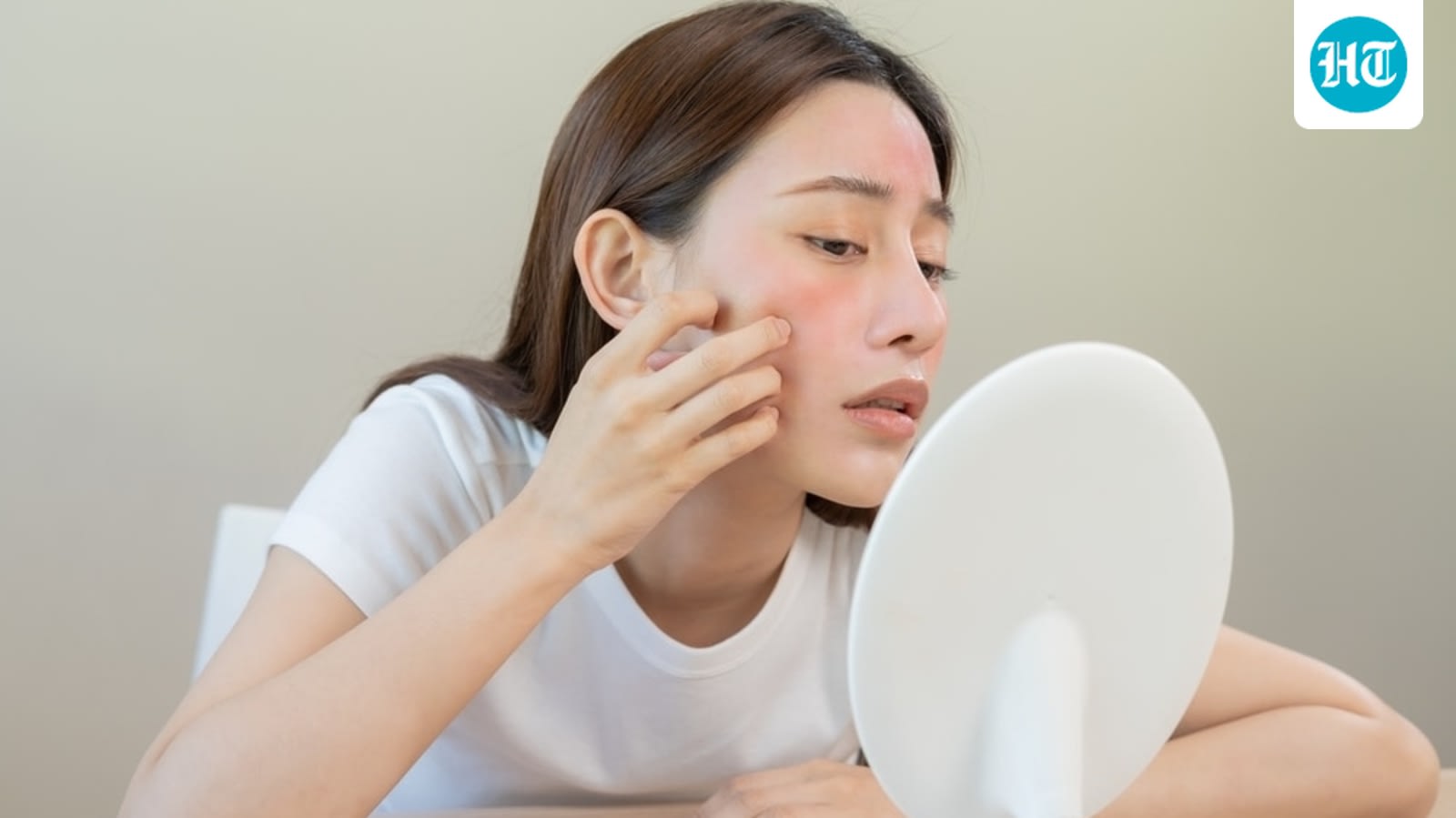
Dermatologists clarify the distinction between skin purging and regular breakouts when introducing new skincare products. Understanding these differences helps consumers decide whether to persist with a product or discontinue use.
Understanding the Skin Transition: Purging vs. Breakouts
When introducing a new skincare product, it is common for individuals to experience unexpected skin eruptions, leading to confusion and frustration. Distinguishing between skin purging and a standard breakout is a critical skill for any skincare enthusiast. According to Dr. Praveen Bharadwaj, consultant in dermatology at Manipal Hospital Whitefield, Bengaluru, understanding the physiological mechanisms behind these reactions is essential for maintaining skin health and determining the efficacy of a new regimen.
Defining Skin Purging
Skin purging is essentially an accelerated skin renewal process. When a product containing active ingredients—such as retinoids, AHAs, or BHAs—is applied, it increases the rate of cell turnover. This process brings pre-existing microcomedones (clogged pores that were already forming beneath the surface) to the surface much faster than normal. Consequently, the skin appears to break out, but this is a temporary phase where the skin is essentially 'clearing out' congestion that was inevitable.
Identifying a Regular Breakout
In contrast, a regular breakout is often a reaction to a product that is comedogenic or irritating to your specific skin type. Unlike purging, which happens in areas where you typically experience congestion, a breakout caused by a reaction may appear in new areas or present as persistent inflammation, redness, or itching. These breakouts do not indicate an acceleration of the renewal process but rather a negative response to an ingredient that is clogging pores or disrupting the skin barrier.
The Importance of Ingredient Awareness
Much of the confusion stems from the use of potent active ingredients designed to speed up cell turnover. While these ingredients are beneficial for long-term skin health, the initial transition period can be visually distressing. Dermatologists emphasize that while purging is a natural part of the adjustment phase for actives, a true breakout caused by an incompatible product requires immediate cessation of use to prevent further irritation or damage.
External Triggers and Professional Guidance
Beyond product-induced reactions, it is vital to consider environmental factors. As noted by dermatological experts, common daily triggers—such as sleeping on a dirty pillowcase or using an unclean phone—can exacerbate or mimic acne symptoms. These factors contribute to the overall confusion when trying to isolate the cause of sudden skin issues. If a breakout persists beyond the expected adjustment period of a new product, or if it is accompanied by severe discomfort, seeking professional advice from a dermatologist is the most prudent course of action to ensure appropriate treatment.
Conclusion
Distinguishing between a productive purge and a harmful breakout is key to long-term skincare success. By monitoring the location, duration, and severity of the eruptions, individuals can better navigate their skincare journeys. When in doubt, consulting with a medical professional remains the gold standard for achieving clear, healthy skin while avoiding the pitfalls of trial-and-error routines.
Verification Required?