Nicotine-laced gutkha, pan masala banned in Chandigarh for a year
Source Entity
Latest News: Todays Latest News Headlines from India & World | Hindustan Times | Hindustan Times
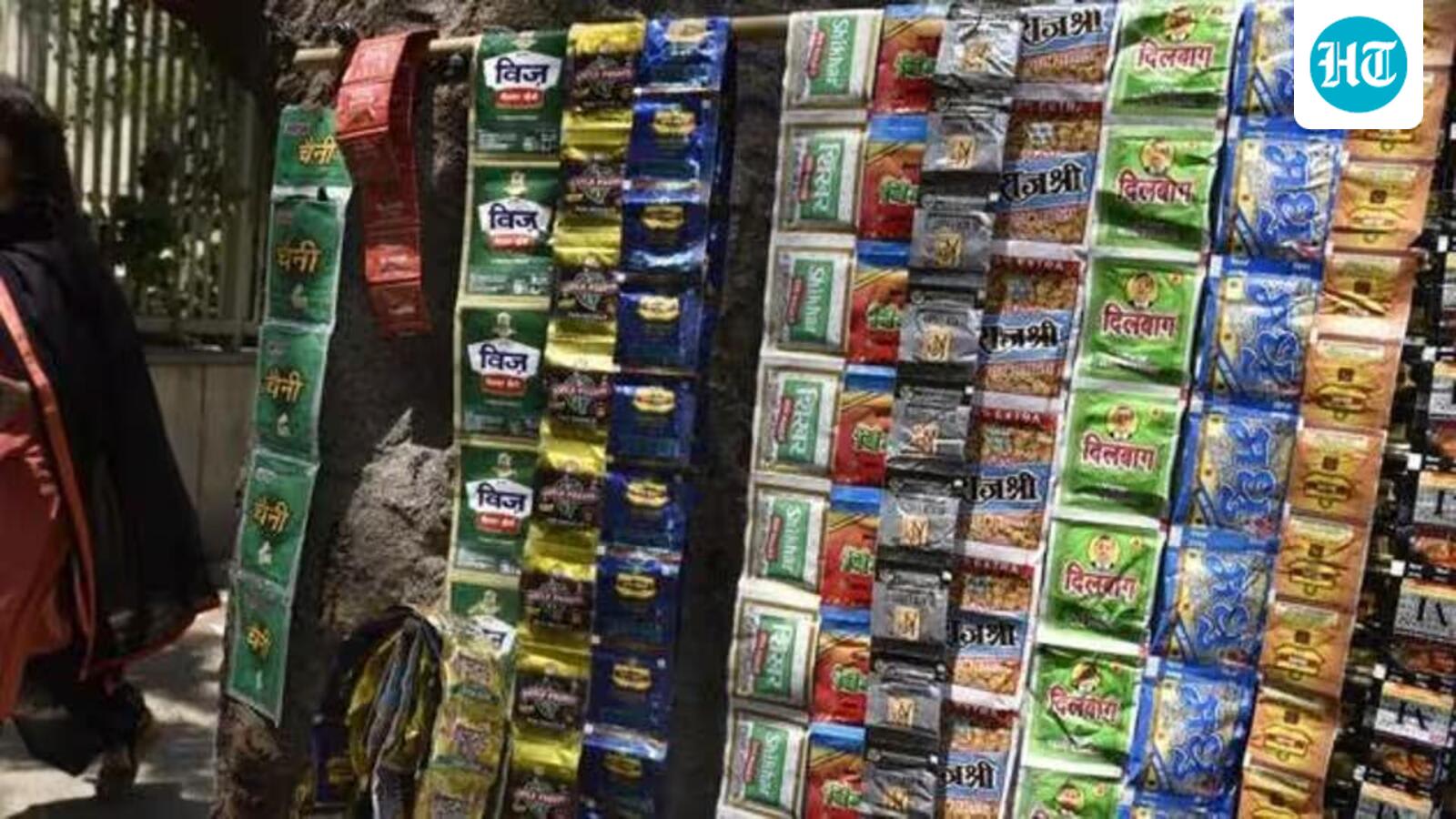
The Chandigarh administration has enforced a one-year ban on the sale, manufacture, and distribution of nicotine-laced gutkha and pan masala. This public health initiative aims to curb tobacco consumption and enforce strict compliance with food safety regulations.
Chandigarh Implements Strict Ban on Tobacco-Laced Products
In a decisive move to safeguard public health, the Chandigarh administration has officially prohibited the sale, manufacture, storage, and distribution of gutkha and pan masala containing tobacco or nicotine. The order, issued by Food Safety Commissioner Mandip Singh Brar on September 16 and subsequently published in the official gazette on September 18, establishes a clear legal mandate effective for one year. This policy reflects a growing trend in Indian urban centers to mitigate the health risks associated with smokeless tobacco consumption.
Scope and Regulatory Framework
The scope of this prohibition is comprehensive, targeting all products sold under various brand names that incorporate nicotine or tobacco. By banning not only the point-of-sale transactions but also the upstream processes of manufacturing and distribution, the administration is attempting to dismantle the supply chain rather than merely addressing retail availability. This regulatory approach is rooted in the broader framework of food safety provisions, which empower commissioners to restrict items deemed hazardous to public health.
Public Health Implications
Tobacco-laced pan masala and gutkha are primary contributors to oral health crises, including a high prevalence of oral submucous fibrosis and oral cancer in the region. By removing these products from the local market, the administration aims to reduce the immediate accessibility that often drives habitual use. The enforcement of this ban serves as a protective measure for vulnerable populations who may be susceptible to the addictive properties of nicotine present in these specific formulations.
Enforcement and Accountability
The administration has signaled that violators will face rigorous action under applicable food safety laws. By formalizing this ban through a gazette notification, the government has provided law enforcement and food safety inspectors with the necessary legal authority to seize stocks and penalize entities engaged in the illicit trade of these banned substances. The one-year window provides a specific period for monitoring the impact of this policy on public health outcomes.
Broader Context and Future Trends
This initiative in Chandigarh aligns with similar bans across various Indian states, demonstrating a unified front against the proliferation of smokeless tobacco. As public awareness regarding the carcinogenic nature of these products increases, such regional bans are likely to persist as a standard tool for health governance. Future trends suggest that if this one-year prohibition proves successful in lowering consumption rates, it may serve as a template for permanent legislative restrictions or more stringent nationwide oversight to curb the marketing of nicotine-laced food products.
Verification Required?