Kharif acreage falls 16%, but ethanol effect boosts sugarcane
Source Entity
VISHWA MOHAN
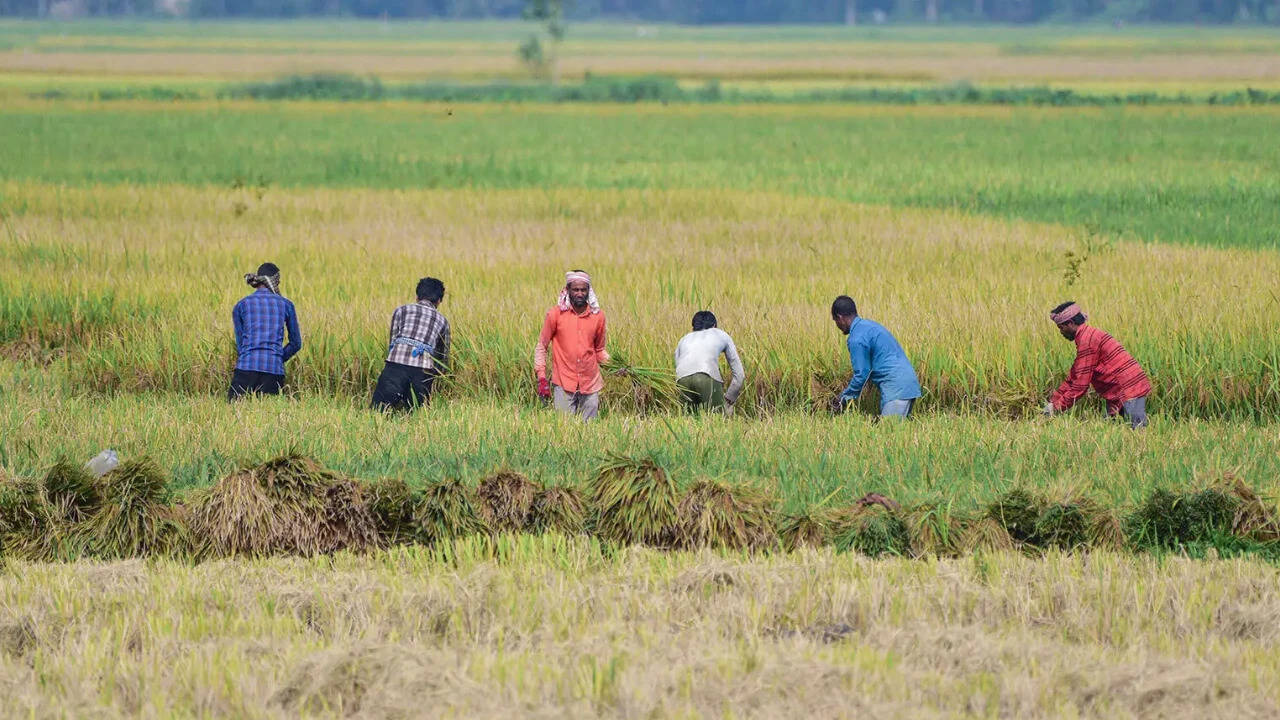
Overall kharif crop acreage has fallen sixteen percent as of last Friday. Sugarcane acreage, however, has increased despite water resource pressures. Pulses and cereals show the highest decline in sown area this season. Farmers continue to favor cash crops for better market prices. This trend supports government ethanol initiatives and reduces import bills.
Analysis of Kharif Sowing Trends and the Pivot to Industrial Crops
Recent agricultural data indicates a significant shift in India's cropping patterns for the current Kharif season. With an overall decline of 16% in sown acreage, the agricultural sector is witnessing a strategic reallocation of land. While the broad decrease in acreage suggests potential challenges in overall food grain production, the divergence in specific crop choices—specifically the rise of sugarcane against the fall of pulses and cereals—reveals a deeper economic transition among the farming community.
The Decline of Staples: Pulses and Cereals
The most pronounced drops have been observed in the acreage dedicated to pulses and cereals. Historically, these crops have formed the backbone of food security; however, the current trend suggests that farmers are distancing themselves from these staples. This decline is likely driven by a combination of volatile market prices and the high cost of inputs relative to the returns provided by cereal crops. When farmers perceive that the profit margins for pulses and cereals are thinning, they naturally migrate toward alternatives that offer more guaranteed or higher financial yields, leading to the observed 16% contraction in overall Kharif sowing.
The Sugarcane Surge and the Ethanol Catalyst
In stark contrast to the general decline, sugarcane acreage has shown resilience and growth. This anomaly is primarily attributed to the government's aggressive push toward ethanol blending. By incentivizing the production of ethanol from sugarcane juice and B-heavy molasses, the government has created a secondary, stable demand stream for sugarcane beyond traditional sugar production. This policy shift has effectively decoupled sugarcane profitability from the volatile global sugar market, making it an attractive 'cash crop' for farmers seeking financial stability.
Environmental Trade-offs and Water Resource Pressures
A critical point of concern highlighted in the current data is the increase in sugarcane cultivation despite severe water resource pressures. Sugarcane is a water-intensive crop, requiring significantly more irrigation than the pulses and cereals it is replacing. This shift presents a paradoxical challenge: while the transition to sugarcane boosts farmers' incomes and supports industrial goals, it puts immense strain on groundwater levels and irrigation infrastructure. The long-term sustainability of this trend is questionable if water management strategies are not synchronized with crop selection incentives.
Macroeconomic Implications: Import Bills and Energy Security
From a macroeconomic perspective, the shift toward sugarcane and ethanol production serves a dual purpose for the state. First, the increase in ethanol production reduces the nation's reliance on expensive crude oil imports, thereby strengthening the current account balance. Second, while the decline in pulses might initially seem detrimental, the broader trend of favoring high-value cash crops can increase the overall rural income level. However, the government must balance this with the potential need to import more pulses to meet domestic consumption, which could partially offset the savings gained from reduced oil imports.
Conclusion and Future Outlook
In summary, the 16% fall in Kharif acreage is not merely a sign of agricultural contraction but a symptom of a structural shift toward industrial agriculture. The 'ethanol effect' is successfully pivoting the agrarian economy toward energy production, though it does so at the risk of environmental sustainability due to water scarcity. Moving forward, it is expected that the government will need to introduce more water-efficient sugarcane varieties or provide targeted incentives for pulses to ensure that energy security does not come at the expense of food security and ecological health.