King's Caribbean tour will not shy away from 'darkest days of our past'
Source Entity
BBC News
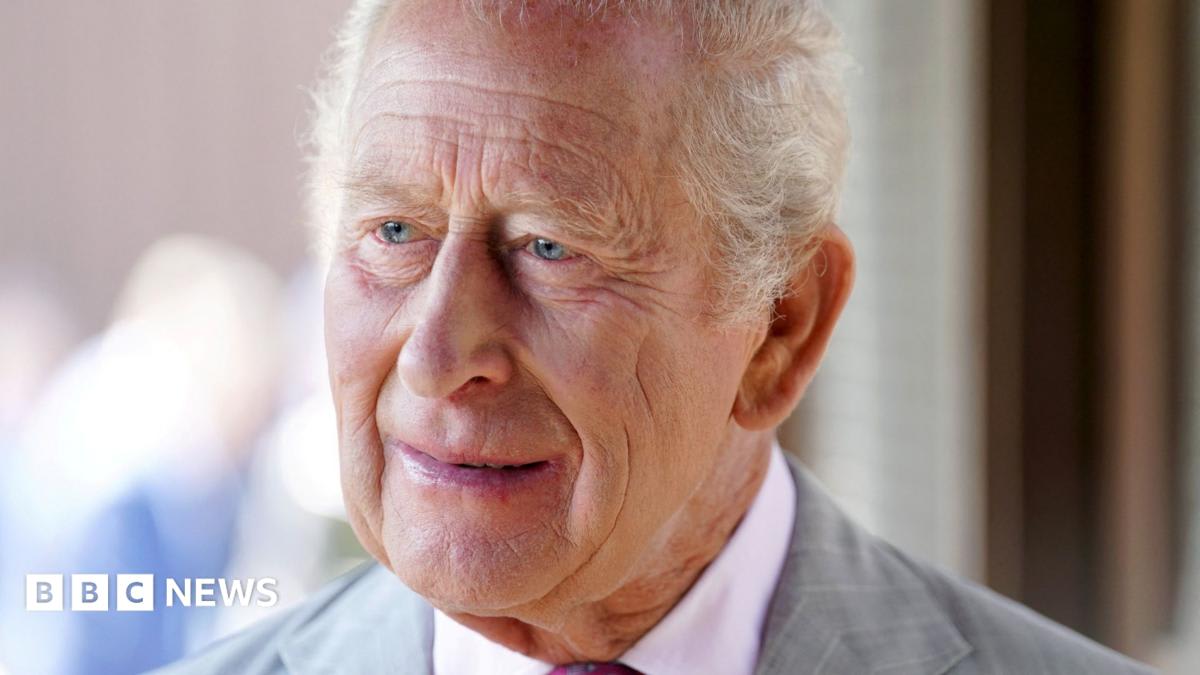
King Charles III will visit the Caribbean to address the UK's historical ties to slavery while navigating complex diplomatic expectations. Despite public pressure for formal apologies and reparations, the British government has advised against such commitments.
A Royal Diplomatic Tightrope: The King’s Caribbean Tour
King Charles III is set to embark on an eight-day diplomatic journey to the Caribbean, visiting Antigua and Barbuda, the Bahamas, and Guyana. This tour, beginning on October 27, represents a critical moment for the British monarchy as it seeks to reconcile its historical legacy with the modern aspirations of Commonwealth nations. The visit coincides with the Commonwealth Heads of Government meeting, placing the King at the center of international discussions regarding the UK's historical role in the transatlantic slave trade.
Confronting the Legacy of Slavery
Buckingham Palace has officially signaled that the tour will not shy away from the "darkest days of our past." This acknowledgement is a continuation of the King’s previous expressions of "personal sorrow" regarding the institution of slavery. By framing the tour in this manner, the Palace is attempting to balance the need for historical honesty with the diplomatic sensitivities of visiting nations that have been vocal about the trauma inflicted by colonial-era policies.
The Debate Over Reparations and Apologies
Central to the discourse surrounding this visit are the mounting calls from activists and local leadership for a formal apology and the consideration of reparations. The legacy of the transatlantic slave trade remains a deeply sensitive political issue, with many Caribbean nations viewing financial and symbolic restitution as a necessary step for justice. However, the King finds himself in a complex position, as he must navigate these moral demands while operating under the guidance of the UK government.
Government Stance and Royal Constraints
According to reports from the PA news agency, the UK government has not advised the King to offer a formal apology or commit to reparations. This creates a significant tension between the monarch's personal sentiments and the official constitutional position of the British state. This constraint highlights the evolving nature of the monarchy, which must perform its diplomatic duties while remaining strictly within the parameters set by the government of the day.
The Future of the Commonwealth
As the King travels to Antigua and Barbuda, the Bahamas, and Guyana, the success of his visit will be measured by how effectively he balances these conflicting pressures. The tour is not merely a symbolic exercise but a litmus test for the future of the Commonwealth. As these nations continue to evaluate their relationship with the British Crown, the King’s ability to navigate the conversation surrounding the slave trade will be pivotal in determining whether the monarchy can sustain its relevance and influence in a post-colonial global landscape.
Conclusion: A Defining Moment
Ultimately, the King’s upcoming tour is a reflection of a monarchy in transition. By choosing to address the "darkest days" of the past, the King is acknowledging the necessity of dialogue, even if the structural limitations of his role prevent immediate policy changes like reparations. The world will be watching closely to see how these diplomatic exchanges unfold and whether this visit serves as a catalyst for deeper historical reconciliation or further debate regarding the future of the Commonwealth.