France school protests spark violence, arrests; and India’s CJP movement comparison
Source Entity
Aniruddha Dhar
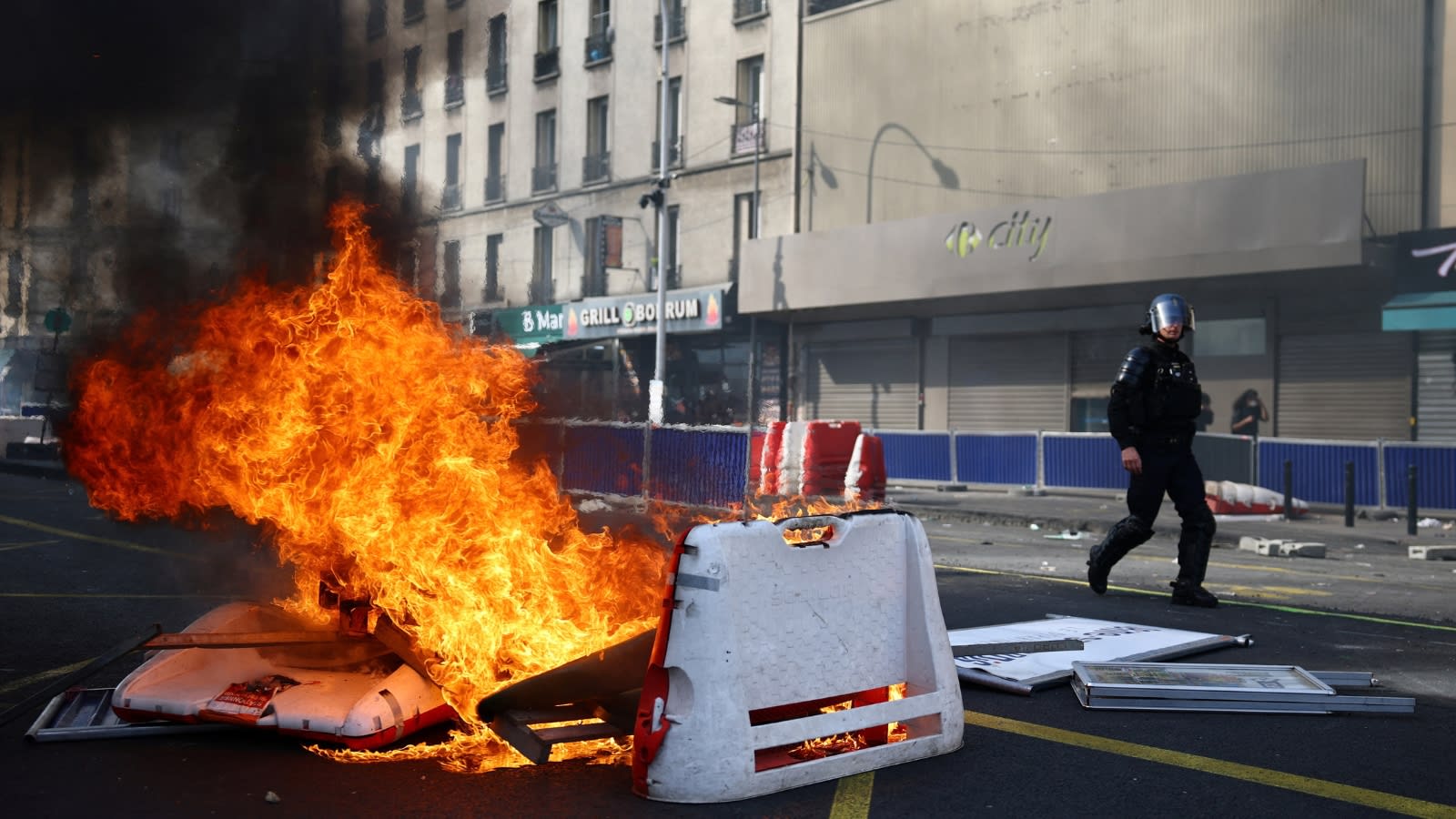
Violent student protests over poor school conditions and staffing shortages have led to the closure of hundreds of French high schools. Clashes between demonstrators and police have resulted in injuries, arrests, and widespread disruption across the country.
The Escalation of Student Unrest in France
France is currently grappling with a significant wave of civil unrest as nationwide student protests have shifted from peaceful demonstrations to violent confrontations. What began nearly two weeks ago in Paris has rapidly expanded, affecting over 500 schools and leading to the closure of more than 400 institutions by Friday. The scale of the disruption, with over 1,000 lycées impacted at the height of the unrest, highlights deep-seated structural frustrations within the French education system.
The Drivers of Discontent
The protests are primarily fueled by a collective grievance regarding the deteriorating quality of educational infrastructure and systemic operational failures. Students have specifically cited run-down facilities as a primary concern, alongside the exhausting reality of their daily schedules, which can extend from 8 a.m. to 6 p.m. Compounding these physical and temporal burdens is a critical shortage of teachers, a factor that has likely eroded student trust in the government’s ability to provide a stable learning environment.
Escalation and Public Safety
The situation took a dangerous turn as demonstrations turned volatile in multiple cities, including Lille, Rennes, Strasbourg, and the Paris suburb of Pantin. Reports indicate that at least 65 staff members have been injured during the unrest. The intensity of the conflict is underscored by a severe incident in Belfort, where a 17-year-old was arrested on suspicion of attempted homicide following an attack on a police officer. These events have prompted a heavy-handed response from law enforcement, including the use of tear gas and tactical charges to disperse crowds.
The Cycle of Aggression
A disturbing trend has emerged where police intervention appears to be fueling further anger among the youth. Protesters, such as 16-year-old Lola, have expressed that the deployment of force has only served to radicalize their stance. With projectiles being thrown at police and rubbish bins set ablaze in city centers, the visual and physical nature of these protests suggests a breakdown in communication between the student body and educational authorities.
Broader Implications and Future Trends
This crisis represents a significant challenge for the French government, which must now balance the maintenance of public order with the urgent need to address systemic education reform. If the government fails to address the underlying issues of school conditions and staffing, these protests risk becoming a recurring fixture of the academic year. The widespread nature of the blockades indicates a highly organized student movement, suggesting that unless meaningful dialogue is established, the disruption to the national curriculum will likely continue, potentially forcing a broader policy shift in how the state manages its secondary education network.