Watch: Royals and veterans reflect at Remembrance ceremony
Source Entity
BBC News
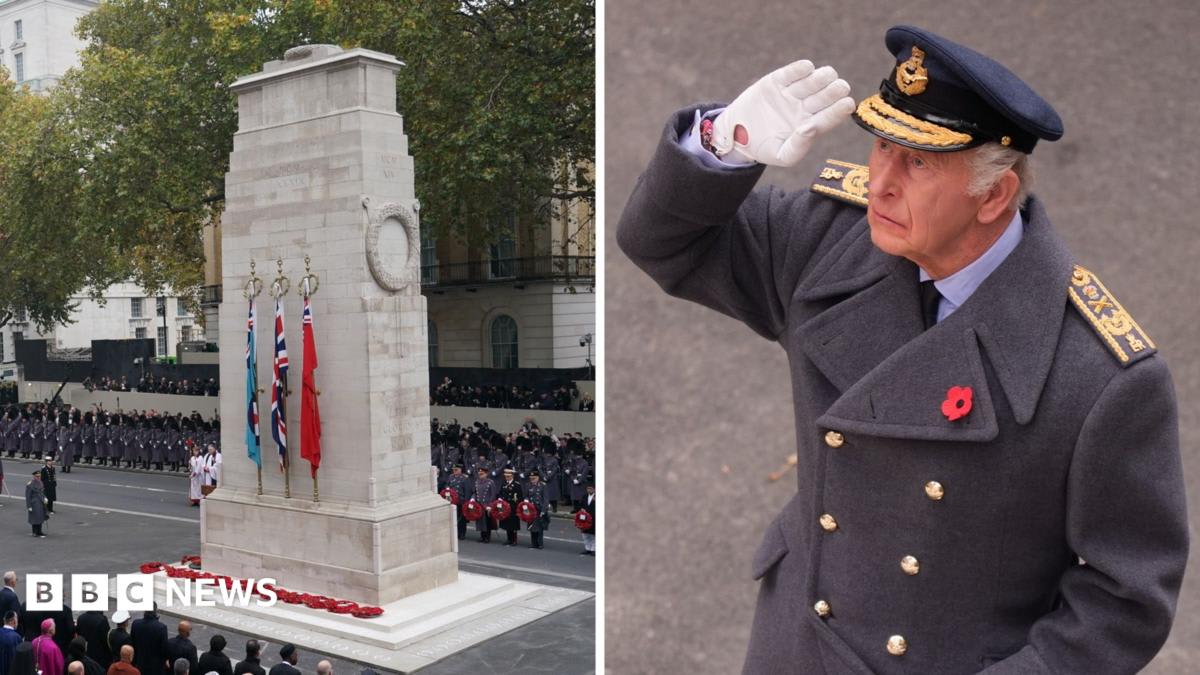
King Charles III led the nation in honoring fallen service personnel during the annual Festival of Remembrance and the Cenotaph memorial service. The events featured senior royals, political leaders, and 10,000 veterans, marking a significant moment of national reflection.
A Solemn Tribute: The Nation Observes Remembrance Sunday
King Charles III recently led the United Kingdom in a series of deeply solemn commemorations to honor those who sacrificed their lives in service to the nation. The events began on the eve of Remembrance Sunday at the Royal Albert Hall with the Festival of Remembrance, where senior royals, including the Prince and Princess of Wales and Queen Camilla, joined bereaved families and veterans in an atmosphere of collective mourning and gratitude.
The Significance of the Festival of Remembrance
The Festival of Remembrance serves as a poignant prelude to the formal Sunday ceremonies. By attending this event at the Royal Albert Hall, the Royal Family reinforces the enduring bond between the monarchy and the armed forces. The presence of service personnel alongside the royals highlights the intergenerational nature of these commemorations, ensuring that the sacrifices made during the two World Wars and subsequent conflicts remain at the forefront of the national consciousness.
The Cenotaph Ceremony: A Tradition of Remembrance
On Sunday morning, the focal point of the nation's tribute shifted to the Cenotaph in Whitehall. King Charles III led the proceedings, marking the occasion by laying a wreath in a display of national unity. This act remains the pinnacle of the UK's remembrance calendar, providing a moment for the country to pause in a two-minute silence, reflecting on the profound human cost of war and the bravery of those who stood in defense of freedom.
Honoring the Veterans
The march-past at the Cenotaph saw 10,000 armed forces veterans participate, a powerful visual representation of the UK's military history. Among the participants were 12 veterans of the Second World War, including 103-year-old Annie Duplock, who shared that the experience was deeply emotional. The diminishing number of WWII veterans serves as a stark reminder of the passage of time and the urgent necessity of preserving their stories for future generations.
Political Unity and Future Trends
This year’s ceremony was also notable for the record number of former prime ministers in attendance, alongside current Prime Minister Andy Burnham. Their presence underscores the bipartisan nature of remembrance, where political differences are set aside to acknowledge a shared national history. As the number of WWII veterans continues to decline, the nature of these ceremonies will likely evolve, shifting focus toward younger generations of veterans from more recent conflicts, ensuring the tradition of remembrance remains vital and relevant in an ever-changing geopolitical landscape.