In just one week, how security forces avenged attack on CRPF personnel in Kulgam
Source Entity
SUBHADRA SRIVASTAVA
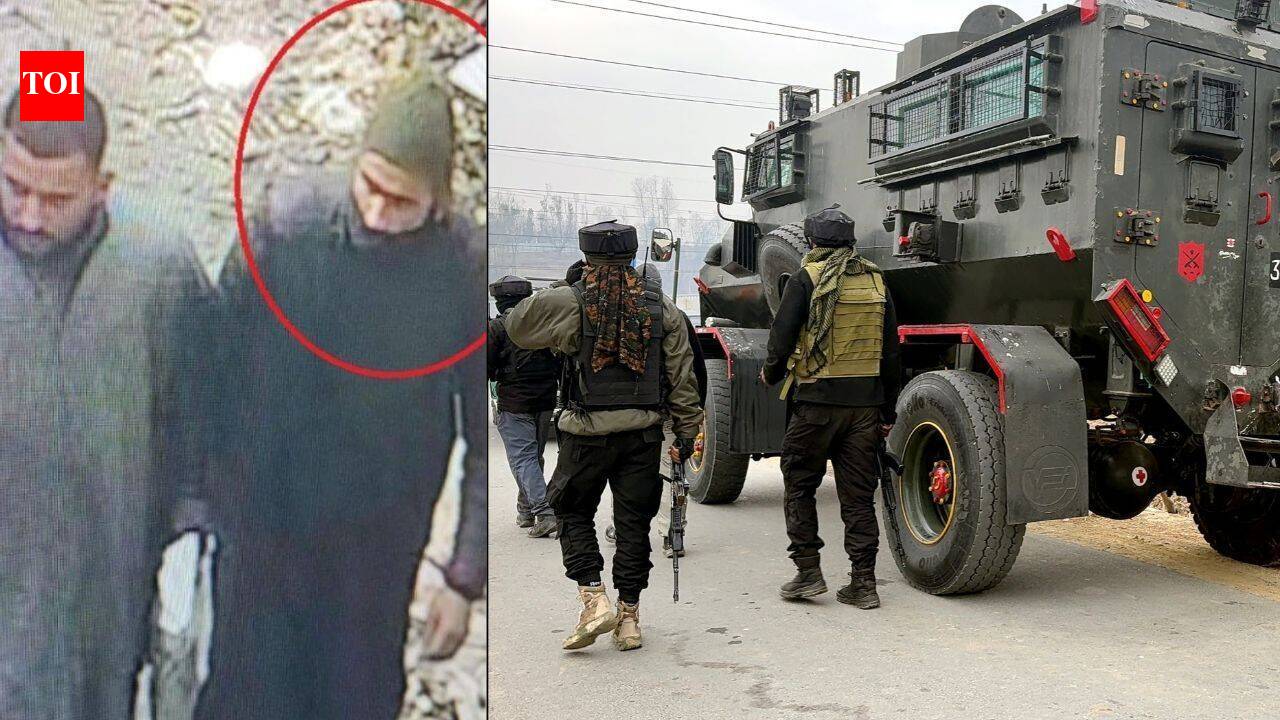
The killing of two Special Police Officers in Kishtwar has triggered political controversy and public outrage. Families are demanding a CBI probe, while local leaders clash over the handling of the victims' remains and the circumstances of their deaths.
The Kishtwar Tragedy: Security Lapses and Political Upheaval
The recent recovery of the bullet-riddled bodies of Special Police Officers (SPOs) Babi Chand and Rashpal Kumar in the Dachhan forest of Kishtwar, Jammu and Kashmir, has sent shockwaves through the region. Having gone missing on November 10, the discovery of their remains marks a grim return of targeted violence to Kiyar village, a community that had largely remained insulated from such incidents since 2004. This resurgence of terror has not only devastated the families of the deceased but has also shattered the fragile sense of security that had been cultivated in the district over the last two decades.
Demands for Accountability and a CBI Inquiry
In the wake of this tragedy, the families of the slain officers have emerged as the primary voices for justice, demanding a Central Bureau of Investigation (CBI) probe. Their plea is rooted in a deep-seated suspicion regarding the circumstances of the officers' disappearance and the subsequent security failure that led to their deaths. By calling for a federal investigation, the families are signaling a lack of confidence in local administrative handling, emphasizing that the state must be held accountable for the apparent security lapses that left these officers vulnerable in a high-risk zone.
Political Friction Over Dignity and Protocol
Adding to the gravity of the situation is a heated political confrontation regarding the treatment of the officers' mortal remains. BJP MLA Shagun Parihar has publicly lambasted local authorities for allegedly transporting the bodies of the officers in a dumper truck, labeling the act a profound indignity to those who served in the line of duty. Her public outburst underscores a broader frustration with bureaucratic negligence, suggesting that official action was only spurred by intervention from the Lieutenant Governor, thereby highlighting a perceived disconnect between the administration and the realities on the ground.
The 'Friendly Fire' Controversy
The narrative surrounding the deaths has been further complicated by conflicting claims from political factions. While the incident is being treated as a security failure, the Congress party has suggested that the officers may have been victims of 'friendly fire' during an Army hunting operation. This claim has been met with immediate and fierce rebuttal from the BJP, which argues that such allegations serve only to undermine the morale and integrity of security forces. The polarization of this tragedy into a political blame game threatens to obscure the truth and delay the pursuit of justice for the families.
Broader Implications for Jammu and Kashmir
The Kishtwar incident serves as a stark reminder of the volatile nature of security in Jammu and Kashmir. The transition from a period of relative calm to the sudden loss of two personnel highlights the persistence of extremist threats hidden within the forest terrain. The incident forces a re-evaluation of current counter-insurgency strategies and the adequacy of the support provided to SPOs, who often operate on the front lines with limited resources. As the region grapples with this loss, the demand for immediate, structural strengthening of local security arrangements remains paramount to prevent further incursions.
A Path Forward
Ultimately, the situation in Kishtwar is a test of administrative transparency and security efficacy. Whether the deaths were a result of a direct terror strike or a tragic operational error, the families' demand for a transparent investigation is both reasonable and necessary to restore public trust. Moving forward, the administration must balance the need for operational security with the moral imperative to treat fallen officers with the honor they deserve, ensuring that the political discourse does not distract from the urgent need to stabilize the region.
Multiple Citing Sources