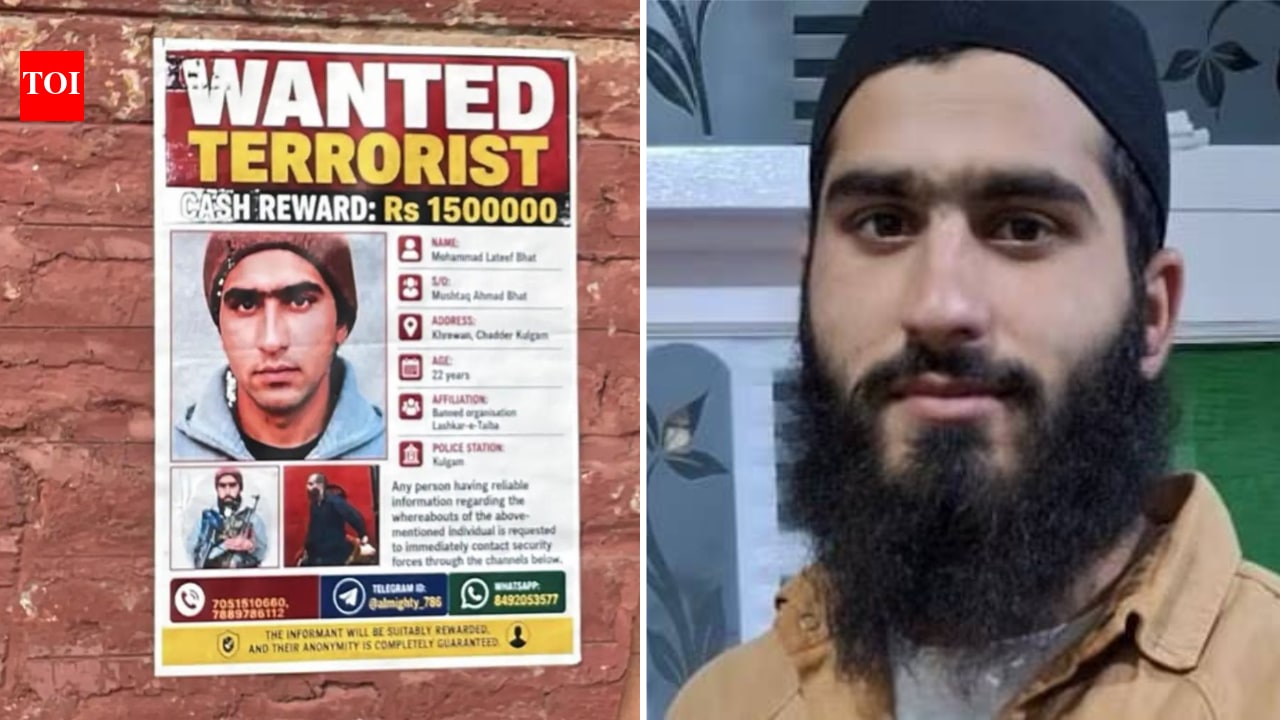
'Some dishes best served cold': LeT commander Lateef Bhat killed in Kulgam encounter
Source Entity
ABHISHEK MISHRA
The killing of two Special Police Officers in Kishtwar, J&K, has sparked political controversy and demands for a CBI probe. Families and local representatives have criticized the handling of the victims' remains, while conflicting reports regarding the cause of death have fueled tensions.
The Kishtwar Tragedy: Security Lapses and Political Fallout
The recent discovery of the bullet-riddled bodies of Special Police Officers (SPOs) Babi Chand and Rashpal Kumar in the Dachhan forest of Kishtwar has sent shockwaves through the region. Having gone missing on November 10, their recovery marks a grim return of targeted violence to a village that had remained largely peaceful since 2004. This incident has not only reignited deep-seated trauma among the local residents of Kiyar but has also exposed significant fractures in the current security and administrative framework of Jammu and Kashmir.
Accountability and the Demand for Investigation
The families of the deceased are now at the forefront of a growing movement demanding a Central Bureau of Investigation (CBI) probe. Their call for a centralized inquiry stems from a profound lack of trust in local administrative accountability. They are specifically demanding a comprehensive review of the security lapses that allowed for the abduction and subsequent killing of the officers. The demand for a CBI probe reflects a broader desire for transparency that transcends local political pressures and ensures that the perpetrators are brought to justice.
The Controversy of Dignity and Transport
A major point of contention arose following a public outburst by BJP MLA Shagun Parihar, who harshly criticized the local authorities for the manner in which the officers' mortal remains were transported. Allegations that the bodies were moved in a dumper truck have ignited intense public anger, with Parihar questioning the value placed on the lives of security personnel. This incident highlights a perceived disconnect between the state administration and the frontline workers who risk their lives in volatile zones, further complicating the government's efforts to maintain public confidence.
Conflicting Narratives and Political Friction
The investigation has become further clouded by conflicting claims regarding the nature of the killings. While the initial context suggests an act of terror, the Congress party has floated the theory of 'friendly fire,' suggesting the officers may have been accidentally killed by Army personnel during a hunting operation. This narrative has been vehemently rejected by the BJP, which argues that such allegations undermine the morale and integrity of the armed forces. This political tug-of-war underscores the high stakes involved in the investigation, as the narrative surrounding these deaths carries significant weight in the regional political discourse.
Broader Implications for J&K Security
This incident serves as a stark reminder of the fragile security environment in the Jammu region. The return of such violence after two decades of relative stability in Kiyar village signals potential shifts in insurgency tactics. The need for immediate strengthening of security arrangements is paramount, not just for the protection of personnel but to prevent the resurgence of fear that paralyzed the region in the early 2000s. The government is now tasked with balancing the need for a thorough forensic investigation with the necessity of maintaining stability in a sensitive border district.
Future Outlook
Moving forward, the pressure on the Jammu and Kashmir administration to provide a definitive answer regarding the deaths of SPOs Babi Chand and Rashpal Kumar will only intensify. The outcome of the requested investigations—whether they confirm a terror-related attack or a tragic operational failure—will dictate the immediate future of the security strategy in Kishtwar. For the families of the fallen, the pursuit of justice remains the only path to closure, while for the state, the incident serves as an urgent call to review standard operating procedures for the protection and transport of security personnel in conflict-prone areas.
Multiple Citing Sources