9 years on, Niwari admin forms panel to audit Orchha’s Ram Raja temple treasury
Source Entity
Latest News: Todays Latest News Headlines from India & World | Hindustan Times
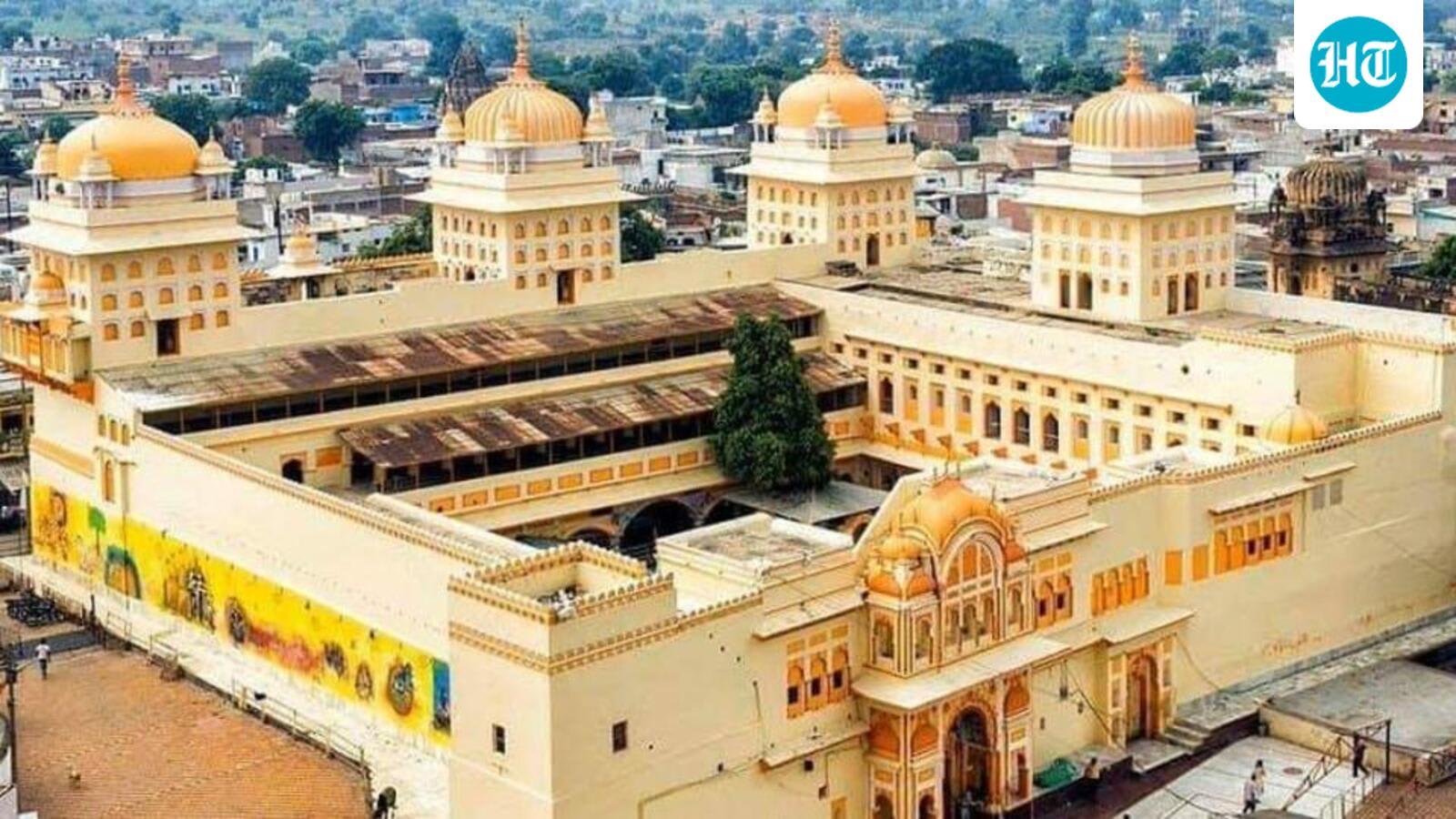
The Niwari district administration has formed a committee to audit the treasures of the historic Ram Raja Temple in Orchha. This move follows a nine-year gap since the last inspection and aims to establish formal management protocols for the temple's assets.
Audit of the Ram Raja Temple Treasury: Ensuring Transparency and Accountability
The Context of the Inspection
The Niwari district administration in Madhya Pradesh has taken a significant step toward financial transparency by forming a six-member committee to conduct a physical verification of the Ram Raja Temple’s treasury. This initiative marks a pivotal return to oversight nine years after a previous inspection revealed discrepancies, including missing gold and silver ornaments. The reopening of the temple’s strongroom on November 2, 2024—which had remained sealed since 2017—signals a proactive effort by the state to reconcile historical inventory with current holdings.
Religious and Cultural Significance
The Ram Raja Temple in Orchha holds a unique position in Hindu tradition, as Lord Ram is worshipped here not merely as a deity, but as the reigning monarch of the region. This theological distinction adds a layer of complexity to the administrative handling of temple assets, as the treasury is viewed as the royal exchequer rather than just a collection of religious offerings. By auditing these assets, the administration is effectively performing an act of stewardship over the 'royal' wealth of a site that draws thousands of pilgrims annually.
Addressing Rumors and Misinformation
In the wake of the reopening, local rumors regarding a potential break-in surfaced, threatening to undermine public trust. Niwari Collector Jamuna Bhide acted swiftly to dismiss these claims, labeling them as baseless misinformation. By publicly addressing these concerns, the administration has sought to maintain the integrity of the audit process, ensuring that the focus remains on systematic verification rather than sensationalism.
Implementing Standard Operating Procedures
A primary goal of the newly formed committee is the development of a comprehensive Standard Operating Procedure (SOP) for future asset management. Historically, the management of temple treasures in India has often faced scrutiny due to the lack of rigid, digitized, or standardized protocols. By establishing an SOP, the Niwari administration aims to modernize the oversight of donations, ensuring that precious metals and historical artifacts are cataloged, secured, and managed with professional accountability.
Broader Implications for Temple Governance
This development reflects a growing trend in India where state administrations are increasingly prioritizing the governance of temple trusts. As centers of immense wealth and cultural heritage, temples are being subjected to more rigorous audits to prevent mismanagement and ensure the preservation of historical artifacts. The Orchha case serves as a model for how district administrations can balance religious sentiments with the necessity of transparent, bureaucratic oversight.
Future Outlook
The success of this audit will likely set a precedent for the management of other historic religious sites in the region. If the committee successfully establishes a robust, transparent framework for inventorying assets, it will likely reduce the frequency of future controversies and ensure that the legacy of the Ram Raja Temple is preserved for generations to come. The administration's commitment to this long-overdue verification process marks a positive step toward administrative modernization.
Verification Required?