9 IPS Officers With Crowd Control Experience Deployed After Kolkata Stampede
Source Entity
NDTV News Search Records Found 1000
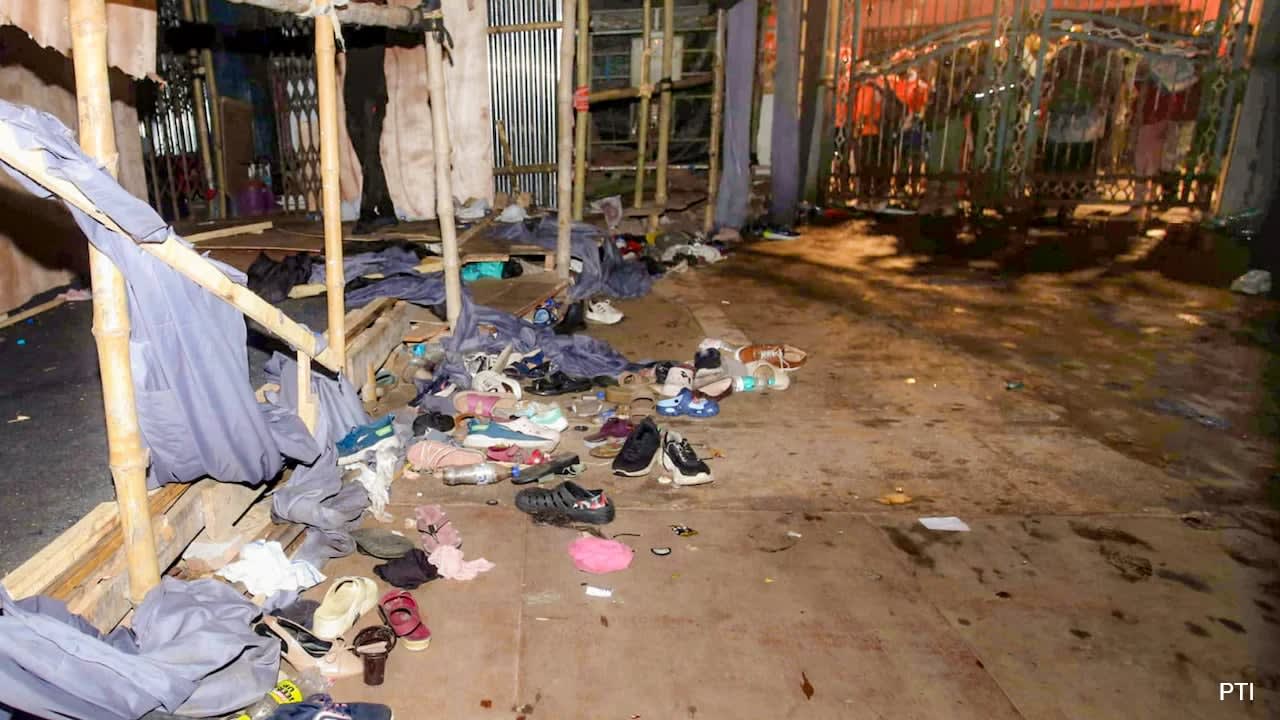
A tragic stampede at a north Kolkata Durga Puja pandal during heavy rain resulted in 19 deaths, prompting arrests and a judicial probe. Authorities are now mandating stricter safety protocols and exploring AI-driven crowd management technology to prevent future disasters.
The Kolkata Pandal Tragedy: A Failure of Safety and Management
On the night of Saptami, the seventh day of the Durga Puja festival, a catastrophic stampede occurred at the Chorbagan pandal in north Kolkata. Amidst heavy rainfall, a surge of attendees in a cramped bylane led to a chaotic crush, resulting in 19 deaths and leaving 24 others injured. The incident has cast a somber shadow over one of West Bengal's most significant cultural celebrations, raising critical questions about the adequacy of crowd management, infrastructure planning, and the accountability of event organizers.
Accountability and Legal Consequences
In the immediate aftermath, law enforcement took decisive action by filing a suo motu case of culpable homicide not amounting to murder. Seven individuals, including two office-bearers of the Chorbagan Durga Puja committee, were arrested. The scale of the tragedy prompted a high-level response, with CM Suvendu Adhikari pledging a judicial probe to be led by either a sitting or retired judge. Beyond the investigation, the government has announced financial compensation of Rs 5 lakh for the victims' families, emphasizing the gravity with which the state is treating this failure of public safety.
The Role of Infrastructure and Crowd Control
Investigations into the tragedy point to a lethal combination of environmental factors and poor logistical planning. The narrow bylanes of north Kolkata, combined with heavy rain that made surfaces slippery, created a dangerous environment for the massive influx of pandal hoppers. Critical reports indicate that a lack of effective crowd control, poorly placed barricades, and inadequate evacuation planning exacerbated the situation. The tragedy highlights the necessity of ensuring that historical or dense urban areas can accommodate the immense footfall associated with major public festivals.
Integrating Technology for Future Safety
As the city mourns, experts are advocating for a technological overhaul of event management. The implementation of AI-driven crowd-monitoring tools, such as real-time density cameras and people counters, is being proposed to provide live occupancy data. Digital ticketing systems could serve as a vital mechanism to prevent venues from exceeding their safe capacity. However, as emphasized by safety analysts, technology must be integrated into a robust emergency response network; cameras and sensors are only effective if they trigger immediate, coordinated action from officials on the ground.
New Mandates and Cultural Shifts
In response to the disaster, the Forum for Durgotsab—representing approximately 400 organizing committees—has issued stringent new guidelines. These include requirements for organizers to maintain emergency gear like raincoats and walkie-talkies at every pandal. Furthermore, there is a push to regulate behavior within the venues, with officials explicitly warning attendees against taking selfies or filming videos in high-density areas, as such distractions can impede movement and create bottlenecks.
Conclusion: A Path Forward
While technology and new mandates provide a framework for improvement, the Kolkata tragedy serves as a grim reminder that human oversight remains paramount. The balance between maintaining the cultural spirit of the festival and ensuring the physical safety of millions of attendees is delicate. Moving forward, the success of these safety measures will depend on the rigorous enforcement of capacity limits, the removal of physical obstructions in evacuation routes, and a permanent shift in how organizers prioritize crowd safety over sheer attendance numbers.
Multiple Citing Sources
Verification Required?