Food, water samples being tested after 30 girls from Kolkata school fall ill
Source Entity
Tanusree Bose
At least 31 schoolgirls from a government institution in Kolkata were hospitalized following symptoms of nausea, vomiting, and abdominal pain. Authorities are currently investigating the incident, with food and water samples undergoing testing to determine the cause of the mass illness.
Mass Hospitalization at Kolkata Government School: An Investigative Overview
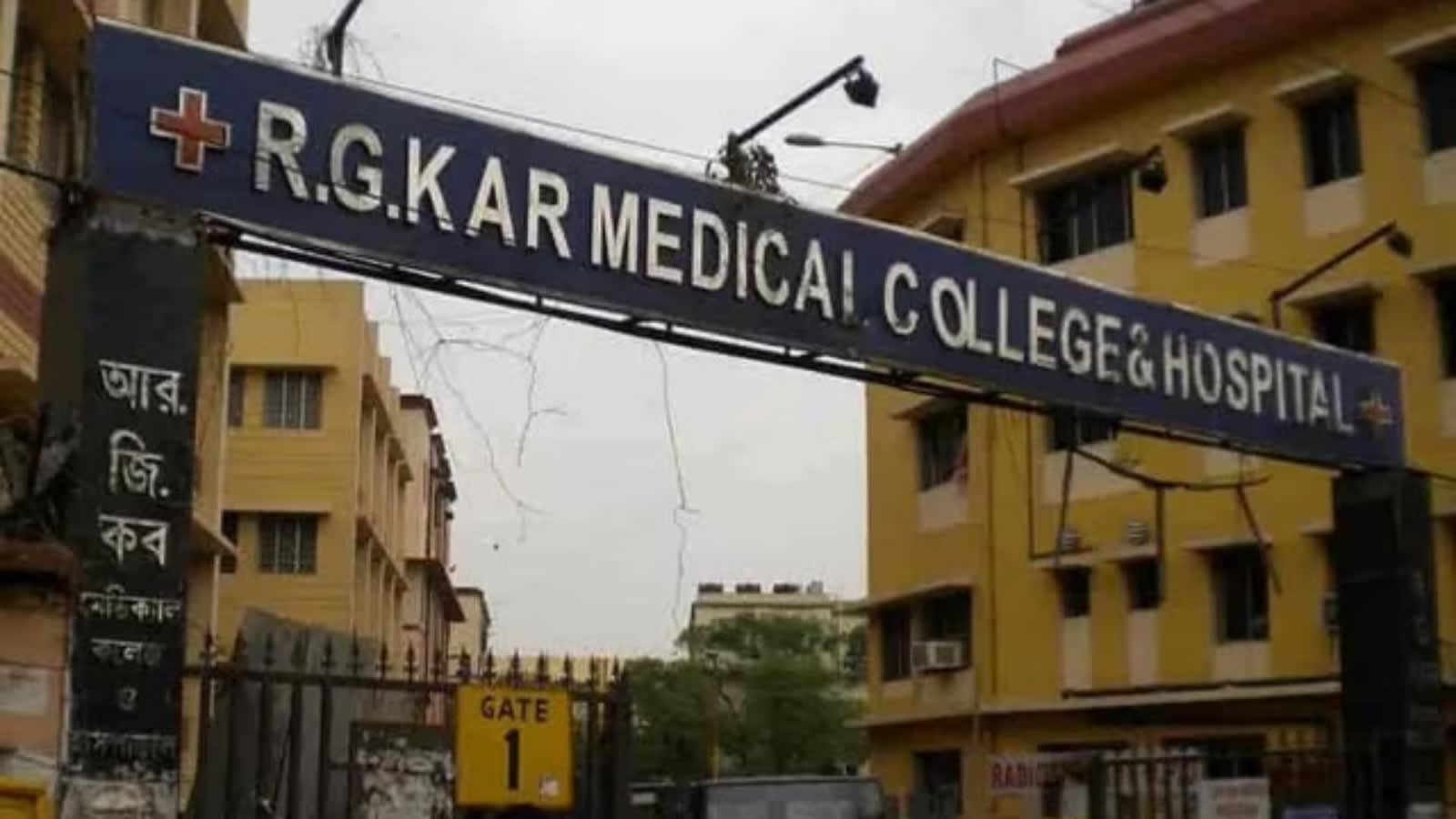
A distressing incident has unfolded in North Kolkata, where at least 31 schoolgirls from a government institution in the Shyambazar area were admitted to the RG Kar Medical College and Hospital. The students began exhibiting alarming symptoms, including severe nausea, vomiting, fever, and abdominal pain, starting Monday evening. While initial reports indicated 24 students were affected, that number rose to 31 by Tuesday, prompting an urgent response from both school authorities and state health officials.
Immediate Response and Official Oversight
The prompt actions of the hostel warden are being credited with preventing a potentially more severe outcome. Upon noticing the students' deteriorating conditions, the warden immediately facilitated their transfer to the hospital. State Health Minister Sharadwat Mukhopadhyay conducted a late-night visit to the medical facility on Monday to monitor the situation, confirming that the students were in stable condition. His presence underscores the gravity with which the state government is treating this health crisis.
Exploring Potential Causes: Food vs. Water
While the exact cause remains officially unconfirmed, the incident has sparked significant concern among parents and the local community. There is a sharp divide in speculation regarding the source of the illness; while some parents have pointed toward the government-provided mid-day meal as the potential culprit, others have raised concerns about the quality of the drinking water available at the hostel. Investigators are currently conducting rigorous testing on both food and water samples to identify the pathogen or contaminant responsible.
Broader Implications for Mid-Day Meal Safety
The Mid-Day Meal Scheme is a cornerstone of India's public education infrastructure, designed to provide nutrition and incentivize attendance among students. However, incidents of mass illness frequently reignite debates regarding the quality control, hygiene standards, and supply chain management of these programs. This event highlights the critical need for stringent monitoring and regular safety audits of the kitchens and water sources serving government-run residential schools.
Historical Context and Future Preventative Measures
Incidents of this nature in India are often linked to issues of sanitation or food spoilage, which can escalate rapidly in residential settings like hostels. To prevent future recurrences, the state will likely need to enforce stricter health protocols, including mandatory periodic testing of water tanks and kitchen facilities. As the investigation progresses, the findings will be pivotal not only for the affected students but for establishing better safety benchmarks across West Bengal's educational institutions.
Conclusion
As of now, the students remain under medical observation, and the administration is focused on identifying the trigger for this health emergency. The swift medical intervention has likely mitigated the risk of long-term complications, but the incident serves as a stark reminder of the vulnerabilities inherent in large-scale institutional catering. Public health officials are expected to release a detailed report once the laboratory results of the collected samples are finalized, providing clarity on the cause of the illness.