Kerala CM launches 700th anniversary celebrations of Kollam Diocese, the oldest Latin Catholic diocese in India
Source Entity
India Latest News: Top National Headlines Today & Breaking News | The Hindu
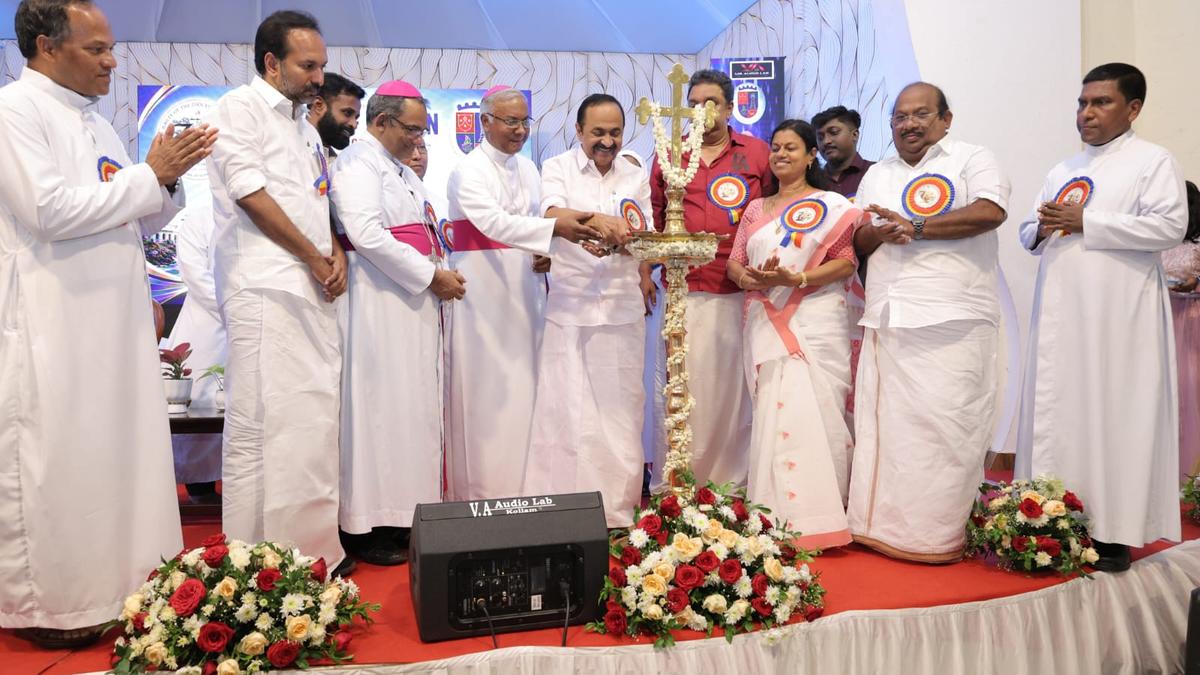
Kerala Chief Minister V.D. Satheesan inaugurated the 700th-anniversary celebrations of the Kollam Diocese, the oldest Latin Catholic diocese in India. The event honored the Church's long-standing role in advancing education and social welfare within the region.
A Milestone of Faith and Progress in Kollam
The inauguration of the 700th anniversary of the Kollam Diocese marks a significant historical milestone for the Latin Catholic community in India. As the oldest Latin Catholic diocese in the country, its existence spans seven centuries, serving as a pillar of cultural and social development in the coastal region of Kerala. Kerala Chief Minister V.D. Satheesan, who presided over the inaugural ceremony, characterized the act of lighting the ceremonial lamp as a profound opportunity to bear witness to this extensive historical legacy.
The Church’s Role in Socio-Economic Upliftment
Central to the Chief Minister’s address was the acknowledgment of the Catholic Church’s immense contributions to India’s socio-economic landscape. Historically, the Church in Kerala has been a primary driver of educational progress, acting as a bridge for marginalized communities to access knowledge. By prioritizing literacy, the institution played a pivotal role in eradicating social subjugation and fostering a more equitable society, effectively leading segments of the population out of systemic darkness and into educational light.
Compassion as a Catalyst for Change
Beyond formal education, the Church’s influence in Kollam has been defined by its persistent acts of love and compassion. These humanitarian efforts have historically targeted the most vulnerable populations, providing a safety net where state resources were once scarce. The Chief Minister’s recognition of these efforts highlights a collaborative spirit between the state government and religious institutions, which has been essential in maintaining social harmony and addressing the basic needs of the populace over the last several centuries.
Collaborative Governance and Coastal Welfare
Archbishop Thomas J. Netto, who led the proceedings, underscored the importance of the symbiotic relationship between the Church and the government. He specifically lauded the state's prompt interventions in improving the living conditions of coastal communities—a demographic that remains a primary focus for both the Diocese and the Kerala administration. This highlights a modern trend where religious institutions and secular governments align on public policy initiatives, particularly in addressing the unique challenges faced by those residing along India's extensive coastline.
Historical Significance and Future Outlook
Reflecting on 700 years of history, the Kollam Diocese represents more than just a religious institution; it is a living archive of Kerala's evolution. As the region looks toward the future, the integration of traditional values with contemporary social welfare programs appears to be the path forward. The celebration serves as both a retrospective on the contributions made to national development and a signal of the continued relevance of the Church in addressing current socio-economic disparities in the region.
Verification Required?