Govt. schemes should be delivered more effectively to farmers: Srinivas Poojary
Source Entity
India Latest News: Top National Headlines Today & Breaking News | The Hindu
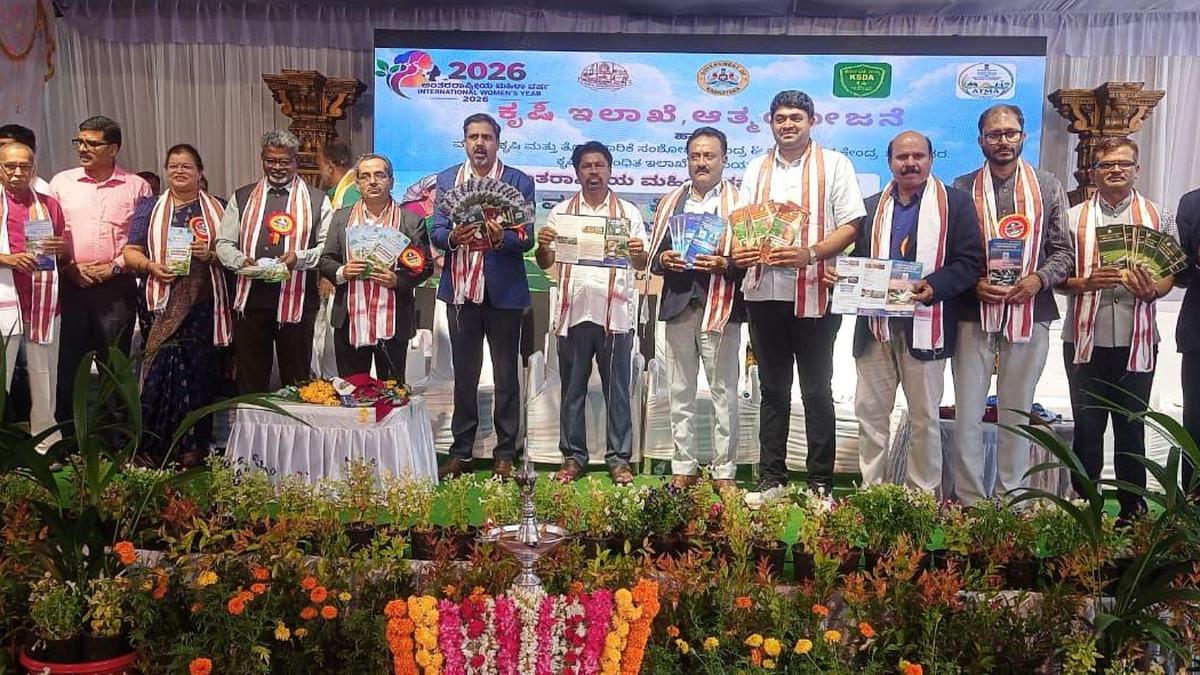
Udupi-Chikkamagaluru MP Kota Srinivas Poojary has called for more effective implementation of government schemes to support farmers. He emphasized the importance of value addition and crop diversification to improve agricultural self-reliance.
Strengthening Agricultural Self-Reliance: The Call for Policy Reform
The Imperative of Effective Governance
Udupi-Chikkamagaluru MP Kota Srinivas Poojary recently addressed the critical need for streamlining the delivery of Central and State government schemes to the farming community. Speaking at the Agriculture and Horticulture Fair in Brahmavara, Poojary emphasized that the true measure of government success lies in the efficacy of its implementation. For many farmers, the gap between policy formulation and on-ground resource allocation remains a significant hurdle to achieving long-term financial stability and self-reliance.
Value Addition as a Catalyst for Growth
At the heart of Poojary’s message is the concept of 'value addition' to agricultural and horticultural produce. By processing raw crops into value-added goods, farmers can capture a larger share of the profit margin that is often lost to intermediaries. This transition from subsistence farming to value-added production is essential for modernization, allowing farmers to align their outputs with the evolving demands of the market and changing consumer preferences.
The Role of Diversification
Poojary highlighted that numerous farmers have already significantly improved their quality of life by adopting multi-cropping systems alongside traditional horticultural practices. Diversification serves as a crucial risk-mitigation strategy, protecting farmers against the volatility of single-crop market crashes or unpredictable weather patterns. By integrating various horticultural crops, farmers can ensure a more consistent income stream throughout the year.
Technological Integration and Biodiversity
The agricultural fair, held at the Regional Agriculture and Horticulture Research Centre in collaboration with KSNUAHS, showcased over 100 varieties of rice. This exhibition serves as a testament to the rapid technological and biological advancements in the sector. As the standard of living increases, the agricultural industry must leverage such research to optimize yields and preserve heritage varieties, ensuring that farmers are equipped with the best tools for a competitive global landscape.
Future Trends and Policy Implications
Moving forward, the focus must shift toward bridging the gap between research institutions and the end-user. As seen in the collaboration between university research centers and government representatives, the future of Indian agriculture relies on the synthesis of academic innovation and practical policy execution. If these schemes are delivered with greater efficiency, the agricultural sector is well-positioned to evolve into a more robust, technology-driven, and self-sufficient pillar of the national economy.
Verification Required?