Kotul excavations show site was a large trade hub during Satavahana period
Source Entity
Anuradha Mascarenhas
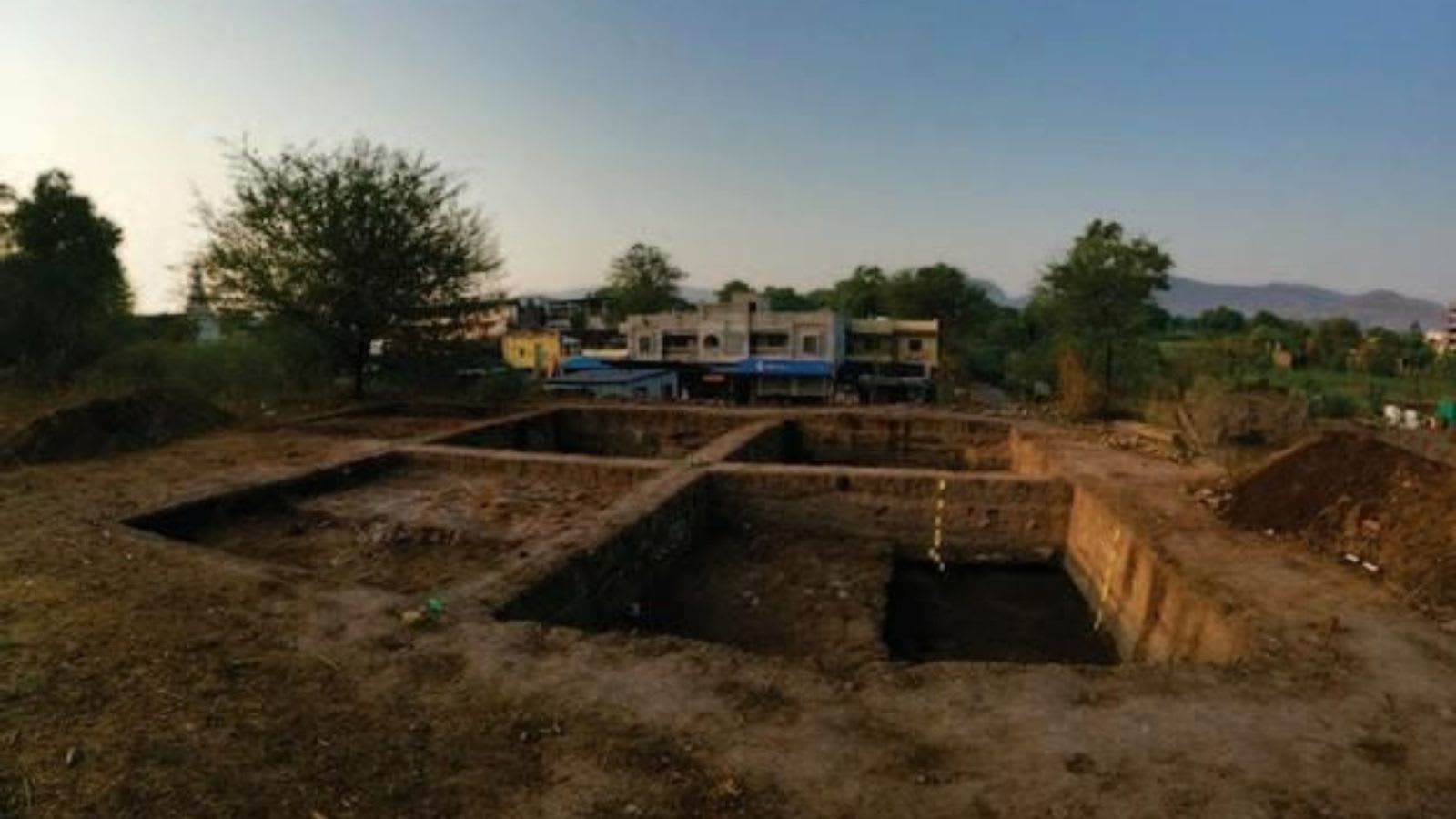
Archaeological excavations at Kotul have revealed that the site functioned as a major trade hub during the Satavahana period, highlighting the region's ancient economic significance.
Uncovering Ancient Commerce: The Significance of the Kotul Excavations
Recent archaeological findings at Kotul have brought to light a critical piece of India's ancient economic puzzle. The determination that the site served as a large trade hub during the Satavahana period provides essential insights into the urban development and commercial networks of the Deccan plateau. This discovery is not merely a local find but a significant contribution to our understanding of how ancient Indian polities managed resource distribution and inter-regional commerce.
The Satavahana Dynasty and Economic Integration
To understand the importance of the Kotul site, one must look at the broader context of the Satavahana dynasty, which flourished roughly between the 2nd century BCE and the 2nd century CE. The Satavahanas were pivotal in bridging the cultural and economic gap between Northern and Southern India. By establishing a strong administrative grip over the Deccan, they facilitated the movement of goods, ideas, and people. The identification of Kotul as a 'large trade hub' suggests that it was a strategic node in this vast network, likely connecting inland production centers with coastal ports.
Analyzing the Mechanics of a Trade Hub
In the context of ancient archaeology, a 'trade hub' implies more than just a marketplace; it suggests a complex ecosystem of warehouses, coinage, and diverse artisanal workshops. The scale of the Kotul site indicates a high level of organization and a population capable of sustaining a commercial economy. Such hubs typically dealt in a variety of commodities—ranging from textiles and precious stones to spices and grains—which were then transported via caravans to other major cities or exported through the Western Ghats to the Roman Empire, a known trade partner of the Satavahanas.
Regional Implications for Deccan History
The discovery at Kotul challenges and refines existing maps of Satavahana influence. While many historical accounts focus on major capitals or monastic sites like Amaravati or Nasik, the evidence of a large trade hub at Kotul emphasizes the importance of secondary urban centers. This suggests that the Satavahana economy was more decentralized and robust than previously thought, with multiple commercial nerve centers driving the regional GDP and supporting a growing merchant class (the shrenis), who often played a significant role in political and religious patronage.
Broader Historical and Future Trends
Looking forward, the excavations at Kotul are likely to trigger a renewed interest in the surrounding regions, potentially revealing more satellite settlements that supported this hub. From an expert perspective, this find underscores the necessity of integrating geospatial analysis with traditional excavation to map the 'trade corridors' of ancient India. As more data emerges, historians will be able to trace the exact flow of goods, helping to determine whether Kotul specialized in specific luxury items or served as a bulk transit point for essential commodities.
Conclusion
In summary, the findings at Kotul provide a tangible link to the sophisticated commercial machinery of the Satavahana era. By confirming the site's status as a major trade center, archaeologists have opened a window into the socio-economic vibrancy of the ancient Deccan. This discovery not only enriches the historical record of the Satavahanas but also highlights the enduring legacy of India's role as a global crossroads of trade and culture.