What led to Karnataka Public Service Commission chairman’s ouster: Leaked papers, a job for his daughter
Source Entity
Johnson T A
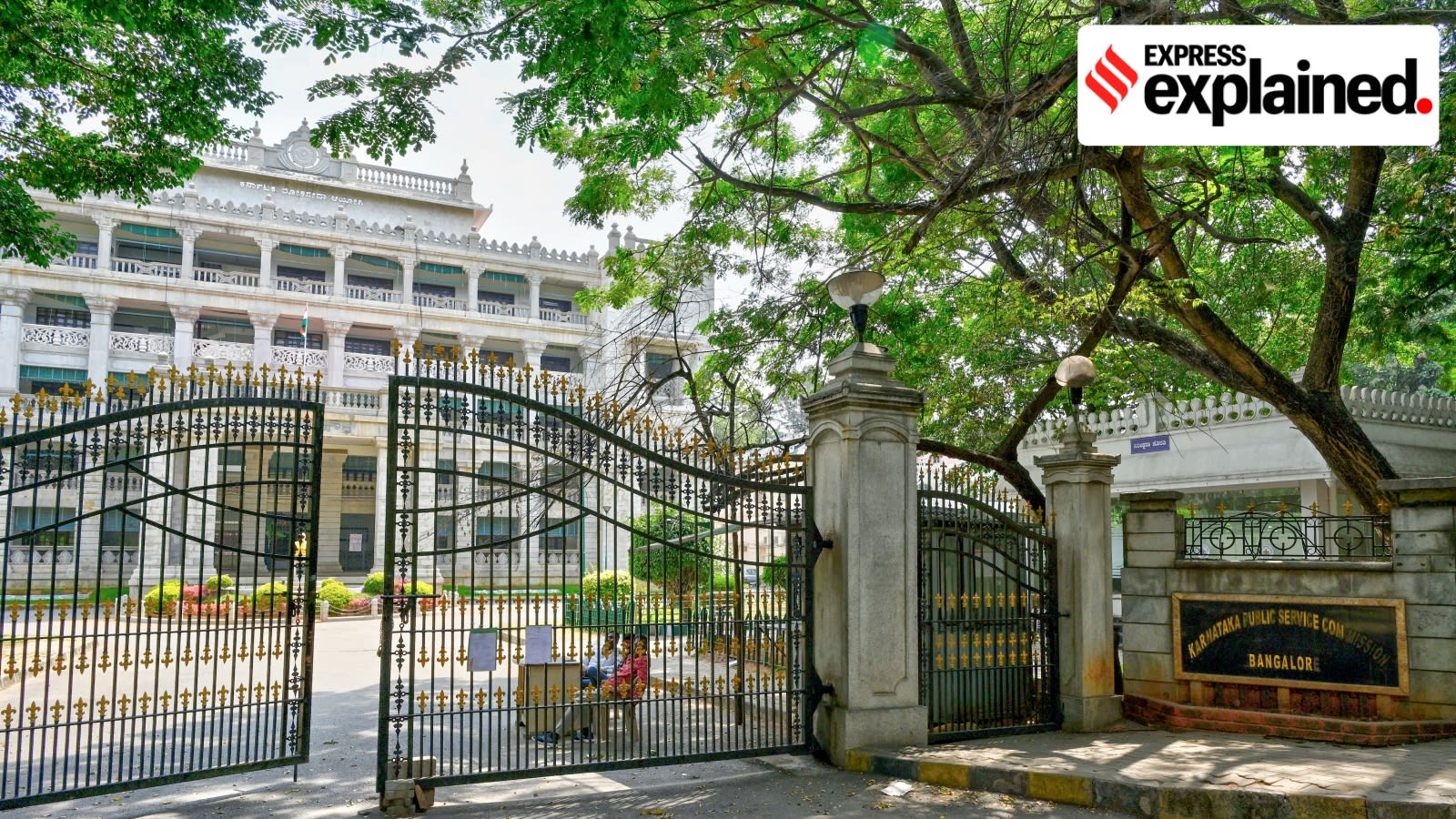
The Karnataka Public Service Commission is facing a major corruption scandal involving leaked exam papers and nepotism. High-ranking officials, including the chairman and a member, are under investigation by the CID and ED for illicit recruitment practices.
The Collapse of Integrity at the KPSC
The Karnataka Public Service Commission (KPSC), an institution designed to uphold meritocracy in state governance, is currently embroiled in a multifaceted corruption scandal that threatens the credibility of public recruitment in Karnataka. The crisis centers on systemic failures, including the leakage of question papers to favored candidates and allegations of blatant nepotism involving the commission's top leadership.
Leadership Under Scrutiny: Nepotism and Fraud
At the heart of the scandal is the suspension of KPSC chairman Shivashankarappa S. Sahukar. Investigations by the Criminal Investigation Department (CID) have revealed that his daughter, Suma Sahukar, allegedly secured a position as an industrial extension officer under the OBC quota using a fraudulent income certificate. This case serves as a stark example of how institutional power can be subverted to facilitate familial gain, undermining the competitive spirit of civil service examinations.
Digital Evidence and Corrupt Networks
Beyond the chairman, other high-ranking members are facing intense scrutiny. Dr. Shanta Hosamani, a KPSC member, is currently under investigation for allegedly influencing the selection process for a Karnataka Administrative Service (KAS) post. CID findings presented in court indicate that Dr. Hosamani engaged in 13 phone calls with a candidate prior to a critical May 8 interview. Such direct communication between a selector and an applicant raises severe questions about the impartiality of the KPSC interview process.
The Role of Financial Intermediaries
The investigation has expanded beyond the KPSC office walls into the realm of financial crimes. The Enforcement Directorate (ED) has taken custody of IAS officer Gyanendra Kumar Gangwar and alleged intermediary Basavaraj Kannale. Both individuals were previously arrested by the CID and are now being interrogated regarding suspected financial transactions associated with the recruitment irregularities. The involvement of an IAS officer suggests that the rot may extend to the administrative layers of state governance.
Broader Implications for Civil Service
These revelations have profound implications for the thousands of aspirants who rely on the KPSC to provide a fair path to employment. When recruitment processes are compromised by leaks and backroom deals, the public trust in government institutions erodes rapidly. The fact that candidates from underprivileged backgrounds, such as the KAS aspirant from Kalaburagi, are caught in the web of these scandals highlights the systemic injustice inflicted upon those who rely on merit alone.
A Path Toward Institutional Reform
As the CID and ED continue their collaborative probe, the legal proceedings—including the rejection of anticipatory bail for both the chairman and Dr. Hosamani—signal a firm judicial stance against corruption. The future of the KPSC will likely depend on whether the state can successfully prosecute those involved and implement transparent, technology-driven safeguards to prevent future leaks and interference. The ongoing investigations serve as a critical turning point for the state’s administrative integrity.