'What wrong did Vaibhav Sooryavanshi do?': World Cup-winner blasts Shreyas, Gambhir
Source Entity
TOI SPORTS DESK
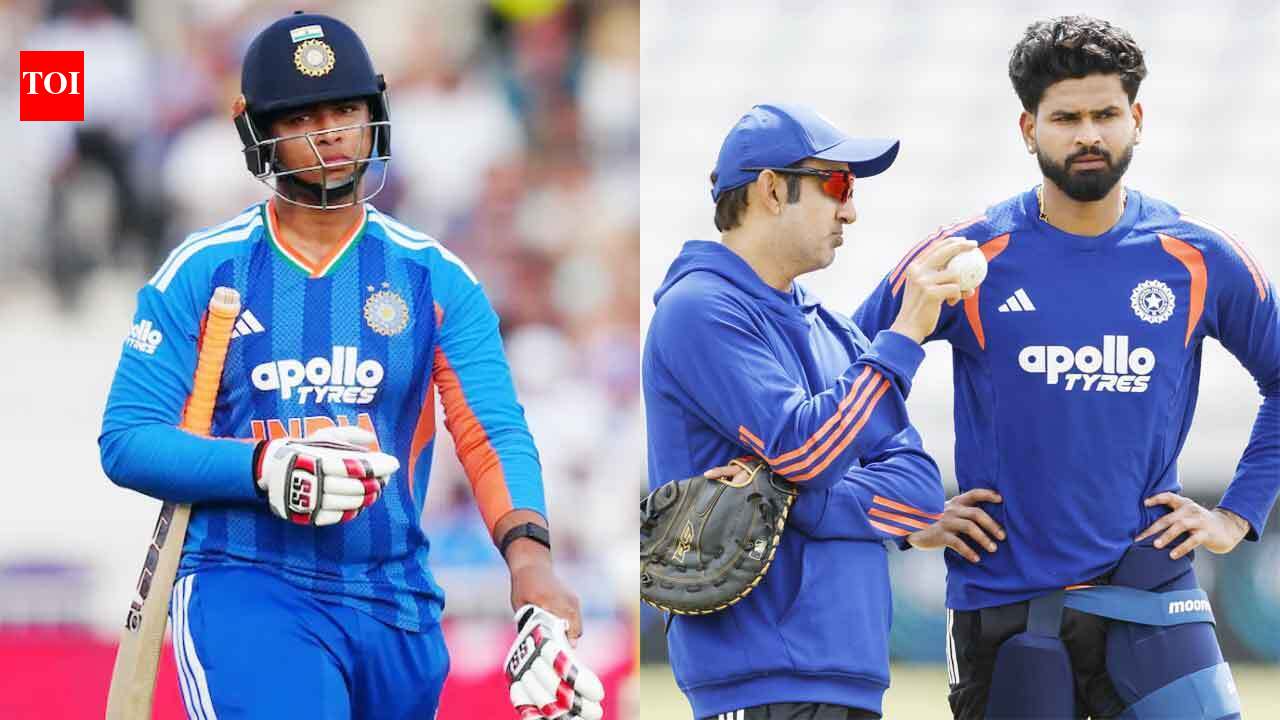
Former India captain Kris Srikkanth criticised the team management's handling of young player Vaibhav Sooryavanshi. He questioned the decision to drop the fifteen-year-old after just three T20 international matches. Srikkanth compared this situation to his own captaincy experience with Sachin Tendulkar. He emphasized the importance of backing young talent for confidence building. The former opener expressed strong disappointment with the current leadership's approach.
Controversy Erupts Over Youth Management in Indian Cricket
The Indian cricketing landscape is currently embroiled in a heated debate following scathing remarks from former captain and World Cup winner Kris Srikkanth. The veteran opener has publicly questioned the decision-making process of the current team management, specifically citing the premature dropping of 15-year-old talent Vaibhav Sooryavanshi. By asking, "What wrong did Vaibhav Sooryavanshi do?", Srikkanth has highlighted a perceived lack of patience and foresight in the handling of one of the country's youngest international debutants.
The Perils of Premature Evaluation
At the heart of the controversy is the decision to omit Sooryavanshi from the squad after a mere three T20 international matches. In the volatile environment of T20 cricket, where form can fluctuate wildly, Srikkanth argues that judging a teenager on such a small sample size is fundamentally flawed. For a player as young as fifteen, the psychological pressure of playing at the highest level is immense; dropping them so quickly can shatter their confidence and potentially derail a promising career before it truly begins. This move by the management, including figures like Gautam Gambhir and Shreyas Iyer, suggests a prioritisation of immediate results over long-term developmental stability.
Drawing Parallels: The Tendulkar Legacy
To underscore his point, Srikkanth drew a poignant historical parallel to his own experience captaining Sachin Tendulkar. When Tendulkar entered the international scene, he was an adolescent facing the world's fastest bowlers. Srikkanth emphasizes that the legendary batsman's success was not just a product of innate talent, but also a result of the unwavering support and confidence bestowed upon him by his seniors and captains. By referencing this era, Srikkanth is reminding the current leadership that the greats of the game are often forged through patience and the freedom to fail without the immediate fear of being discarded.
Analysis of Leadership Dynamics
The specific mention of Gautam Gambhir and Shreyas Iyer in the context of this criticism points to a friction between the "aggressive" modern coaching philosophy and the "nurturing" approach advocated by veterans. Gambhir, known for his uncompromising and hard-hitting approach to the game, may be applying a standard of performance that is perhaps too rigid for a fifteen-year-old. The tension here lies in whether the management views Sooryavanshi as a finished product expected to deliver immediately, or as a raw asset that requires careful sculpting over several seasons.
Broader Implications for Youth Development
This incident reflects a broader trend in global sports where the "win-now" mentality often clashes with the necessity of youth development. In the Indian context, where the competition for a spot in the national team is the most intense in the world, the margin for error is shrinking. If the management continues to employ a 'three-match trial' policy for teenagers, it may create a culture of fear among emerging players, discouraging them from playing with the instinctive freedom that typically defines young prodigies.
Future Outlook and Predictions
Moving forward, this public critique by Srikkanth is likely to put the team management on the defensive, potentially forcing a reconsideration of how youth players are integrated into the senior setup. We can expect increased scrutiny on the selection committee's criteria for "performance" versus "potential." If the management fails to address these concerns, it could lead to a fragmented relationship between the veterans of the game and the current administration, while potentially alienating the next generation of stars who may feel the system is too unforgiving.
Summary
Kris Srikkanth's outburst is more than just a defense of one player; it is a call for a return to a mentorship-based approach in Indian cricket. By contrasting the current treatment of Vaibhav Sooryavanshi with the historical backing of Sachin Tendulkar, Srikkanth has ignited a crucial conversation about the balance between professional accountability and the necessary patience required to cultivate world-class talent.