Krishnasamy seeks ban on ‘Sandiyar’ title for Kamal Haasan’s upcoming movie
Source Entity
India Latest News: Top National Headlines Today & Breaking News | The Hindu
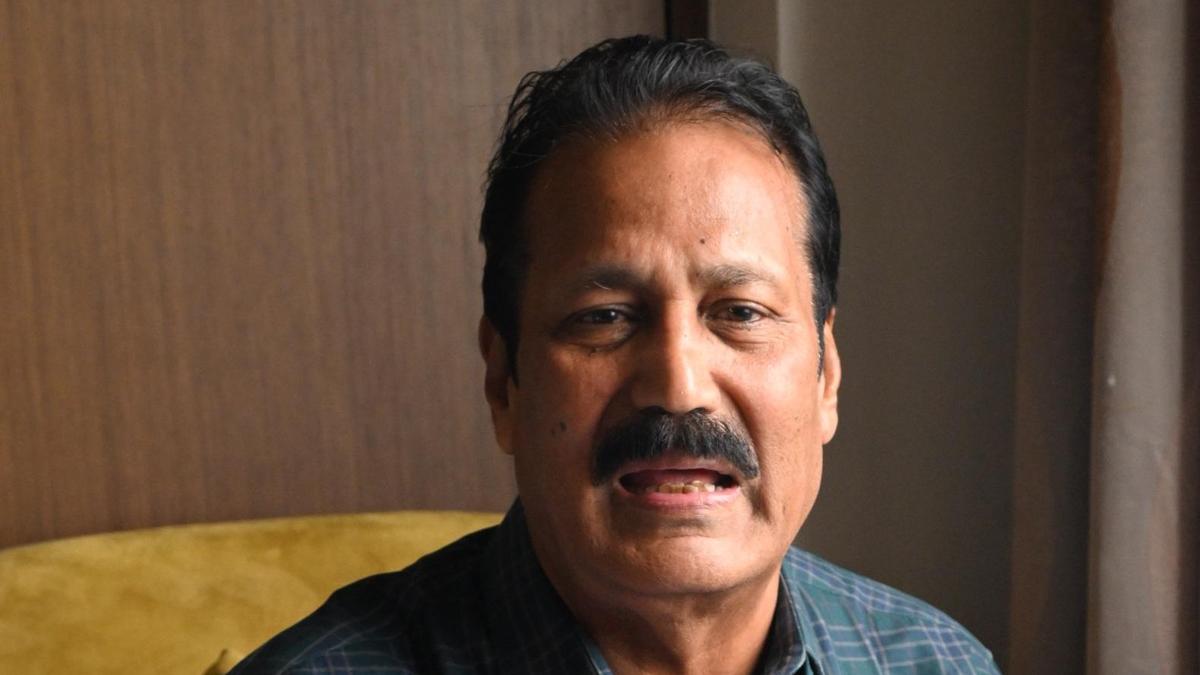
Puthiya Tamilagam founder Dr. K. Krishnasamy has petitioned the Tamil Nadu government to ban the title 'Sandiyar' for Kamal Haasan's new film. He cites historical social tensions and past controversies from 2003 as the primary reasons for his opposition.
The Controversy Surrounding 'Sandiyar'
On November 11, 2026, Dr. K. Krishnasamy, founder of the Puthiya Tamilagam party, formally approached the Minister for Information and Publicity, Rajmohan, at the Secretariat in Chennai. The core of his petition is a demand for the state government to prohibit the use of the title 'Sandiyar' for actor Kamal Haasan's upcoming cinematic project. This move highlights a long-standing tension regarding the cultural and social implications of titles in Tamil cinema.
Historical Context and Political Sensitivity
Dr. Krishnasamy’s objection is deeply rooted in the history of Tamil Nadu politics and social discourse. He explicitly recalled the events of 2003, when Kamal Haasan originally intended to use the title 'Sandiyar' for a project. At that time, the title sparked significant controversy, particularly within the southern districts of the state, where sensitivities regarding caste-based nomenclature and social hierarchy remain high. The pressure exerted during that period eventually forced a change in the film's title to 'Virumandi', following an intervention by the then-Chief Minister, J. Jayalalithaa.
Evolving Social Narratives
The petitioner argues that the use of such a title carries the potential to incite unrest or reinforce negative social stereotypes. By revisiting the 2003 controversy, Dr. Krishnasamy is highlighting that the sensitivity surrounding this specific term has not diminished over the past two decades. His petition serves as a reminder that artistic expression in Tamil cinema is frequently balanced against the complex social fabric of the state, where titles are often perceived as signals of communal identity.
The Ambiguity of Precedent
Interestingly, the narrative is complicated by the fact that another Tamil film was released in August 2014 utilizing a similar title without inciting protests or public backlash. This discrepancy suggests that the reception of such titles is not static but contingent upon the timing, the public perception of the filmmaker, and the current political climate. The existence of a prior release without issue provides a counter-argument to the demand for a blanket ban, yet it has not deterred Dr. Krishnasamy’s current opposition.
Future Implications for Tamil Cinema
As the government reviews the petition, the case underscores the ongoing challenges faced by filmmakers in balancing creative freedom with the necessity of maintaining social order. If the government chooses to intervene, it may set a precedent for how titles are vetted in the future, potentially leading to more rigorous self-censorship within the industry. Conversely, if the title is allowed, it may signal a shift in how the state handles historical objections to artistic works. The outcome of this petition will likely influence how major studios approach controversial nomenclature in the coming years.
Verification Required?