End politically motivated transfers in Kerala State Road Transport Corporation, says KSRTEA
Source Entity
India Latest News: Top National Headlines Today & Breaking News | The Hindu
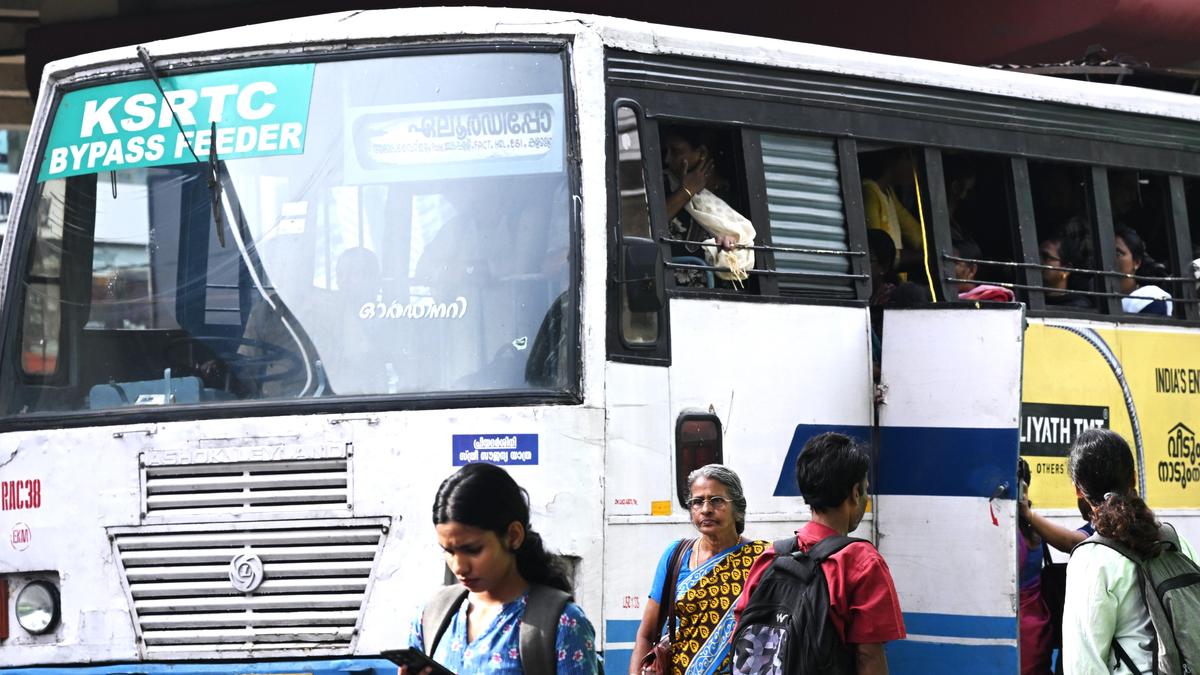
The KSRTEA has demanded an end to politically motivated transfers within the KSRTC following the reassignment of 21 employees. The union claims these actions were taken on political grounds and has called for a merit-based transfer policy.
The Controversy Over KSRTC Employee Transfers
The Kerala State Road Transport Employees Association (KSRTEA), an entity affiliated with the Centre of Indian Trade Unions (CITU), has officially challenged the recent administrative maneuvers within the Kerala State Road Transport Corporation (KSRTC). During a press conference held on July 23, 2026, general secretary Honey Balachandran articulated a growing concern regarding the politicization of internal labor movements, specifically targeting the abrupt transfer of 21 staff members, including four superintendents and 17 assistants, shortly after the transition to a new government.
The Demand for Merit-Based Administration
At the core of the KSRTEA’s argument is the demand for a transparent, merit-based system for internal staffing. The union contends that the recent transfers were not dictated by operational requirements or professional performance, but rather by political affiliations. By advocating for a policy that prioritizes merit, the association is effectively pushing for the insulation of the public sector workforce from the cycle of political retribution that often follows government changes in regional administrative bodies.
Historical Context and Political Dynamics
Public sector undertakings like the KSRTC have historically been central to the political discourse in Kerala, often acting as microcosms of the state’s broader labor-politics environment. When a change in government occurs, the realignment of administrative personnel is frequently viewed through the lens of political patronage. The KSRTEA’s decision to voice these grievances publicly suggests a significant friction point between the current administration and labor groups that were aligned with the previous political status quo.
The Breakdown in Communication
Despite the KSRTEA’s efforts to resolve the matter through direct engagement with the Transport Minister, the situation remains unresolved. According to Mr. Balachandran, while there was an initial indication of willingness to reach a compromise during previous meetings, the government’s failure to act has exacerbated tensions. This breakdown in dialogue underscores the difficulty of maintaining neutral administrative operations in an environment where labor unions are deeply entwined with political party ideologies.
Broader Implications for KSRTC
These internal conflicts pose a significant challenge to the efficiency of the KSRTC. Frequent, politically motivated transfers can disrupt institutional memory, diminish employee morale, and lead to a loss of specialized knowledge within the corporation’s chief office. As the KSRTEA continues to apply pressure, the corporation faces the risk of prolonged labor disputes that could potentially impact the delivery of public transport services if a mutually agreeable transfer policy is not established.
Future Outlook
Looking ahead, the KSRTC must navigate a delicate balance between administrative prerogative and the rights of its employees. If the government fails to address the demand for a merit-based transfer policy, it could lead to increased mobilization by the CITU-affiliated union, potentially escalating into broader strikes or legal challenges. The resolution of this dispute will serve as a bellwether for how the current government handles labor relations and institutional reform within the state's vital public sector assets.
Verification Required?