LG pushes for more financial powers to Ladakh hill councils
Source Entity
Latest News: Todays Latest News Headlines from India & World | Hindustan Times
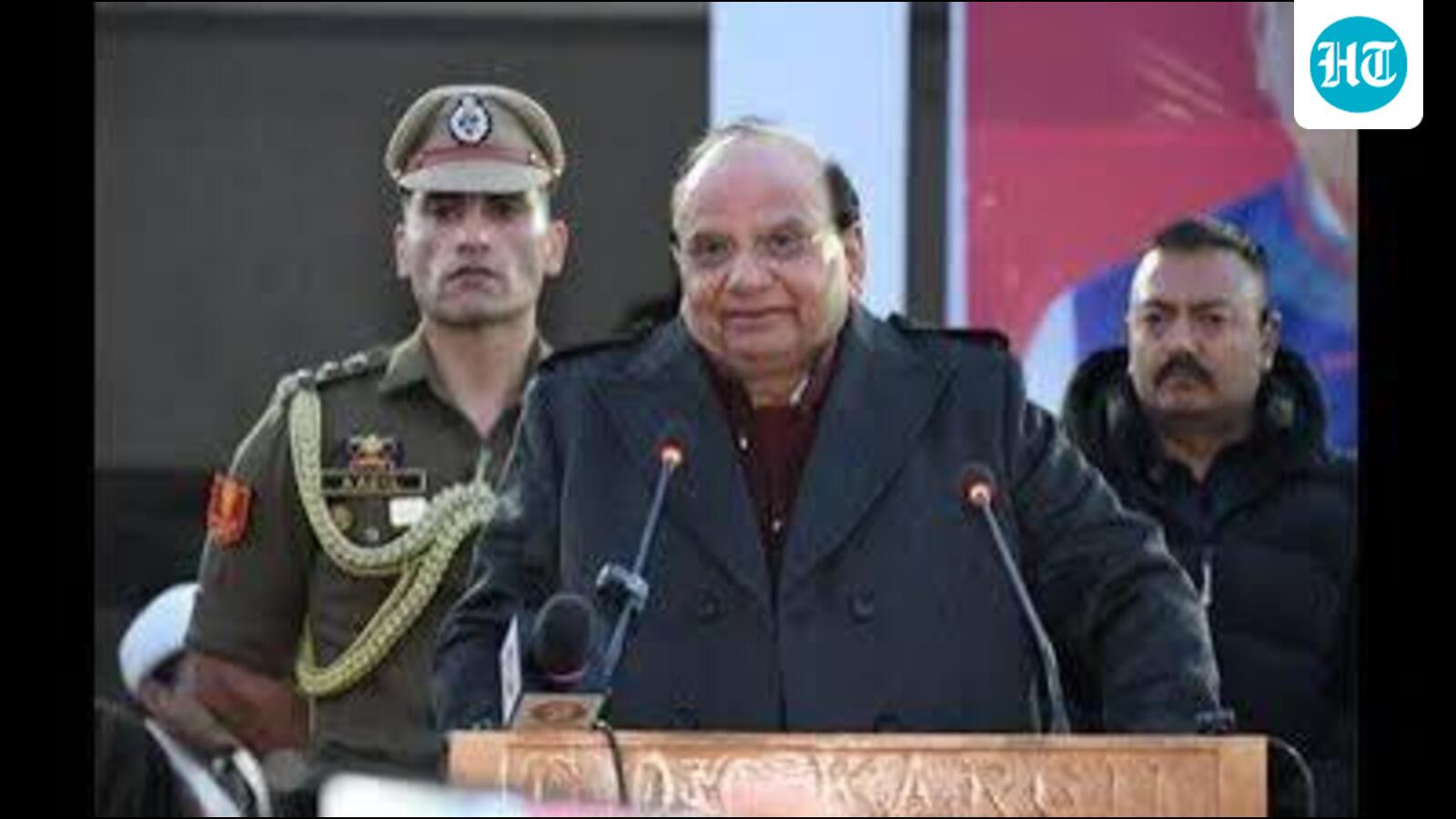
Ladakh Lieutenant Governor Vinai Kumar Saxena has proposed delegating financial powers of up to ₹5 crore to the Ladakh Autonomous Hill Development Councils. This move aims to streamline local governance and expedite development by allowing councils to approve their own projects.
Empowering Grassroots Governance in Ladakh
The recent proposal by Lieutenant Governor Vinai Kumar Saxena to delegate financial powers of up to ₹5 crore to the Ladakh Autonomous Hill Development Councils (LAHDC) marks a significant evolution in the administrative structure of the Union Territory. By seeking approval from the Union Ministry of Home Affairs (MHA), the administration is signaling a shift toward decentralization, aiming to move beyond the current model where the LG’s office serves as the primary bottleneck for project appraisal and approval.
Breaking Bureaucratic Deadlocks
Currently, the Hill Councils are largely limited to formulating and recommending development schemes, with the final authority resting with the Lieutenant Governor. This centralized structure often leads to procedural delays, which can be particularly detrimental in a region like Ladakh, where the working season is constrained by extreme weather conditions. Granting these councils the autonomy to approve projects up to the ₹5 crore threshold is designed to reduce these administrative hurdles, ensuring that public works can be initiated and completed with greater efficiency.
Contextualizing the Hill Council Framework
The LAHDC, established to provide a degree of regional autonomy to the people of Leh and Kargil, has long sought greater control over financial decision-making. Historically, the councils have operated under strict oversight, which was intended to ensure fiscal discipline during the initial stages of the region's transition to a Union Territory. However, as the region matures, the demand for local decision-making has grown, reflecting a broader national trend of strengthening Panchayati Raj and local municipal bodies to better align resources with community needs.
The Strategic Role of Financial Autonomy
This proposal is not merely an administrative adjustment but a strategic move to foster local ownership of development projects. When elected representatives have the power to approve and oversee the funding of local infrastructure, they are more directly accountable to their constituents. This shift is expected to enhance the relevance of the projects selected, as they will be based on the immediate priorities of the local councils rather than filtered through a centralized administrative lens.
Future Implications for Regional Development
Should the MHA grant final approval, this policy could serve as a pilot for further devolution of power in other Union Territories. The ability of the Hill Councils to manage a ₹5 crore budget represents a significant step toward self-reliance. As the councils gain experience in managing these larger financial portfolios, it may set a precedent for even greater budgetary control in the future, ultimately transforming the administrative landscape of Ladakh into a more responsive and agile government entity.
Conclusion: A Step Toward Efficiency
The proposal to delegate financial power to the Ladakh Autonomous Hill Development Councils is a critical step in streamlining governance. By empowering local bodies to act on their own development agendas, the administration is prioritizing speed and local responsiveness. If implemented successfully, this policy will likely accelerate the pace of infrastructure development across Ladakh, fulfilling the promise of a more decentralized and effective administrative framework.
Verification Required?