Mumbai police issue lookout circulars against CJP’s Dipke, Ranka, Das
Source Entity
ABHINAV GARG AND AHMED ALI
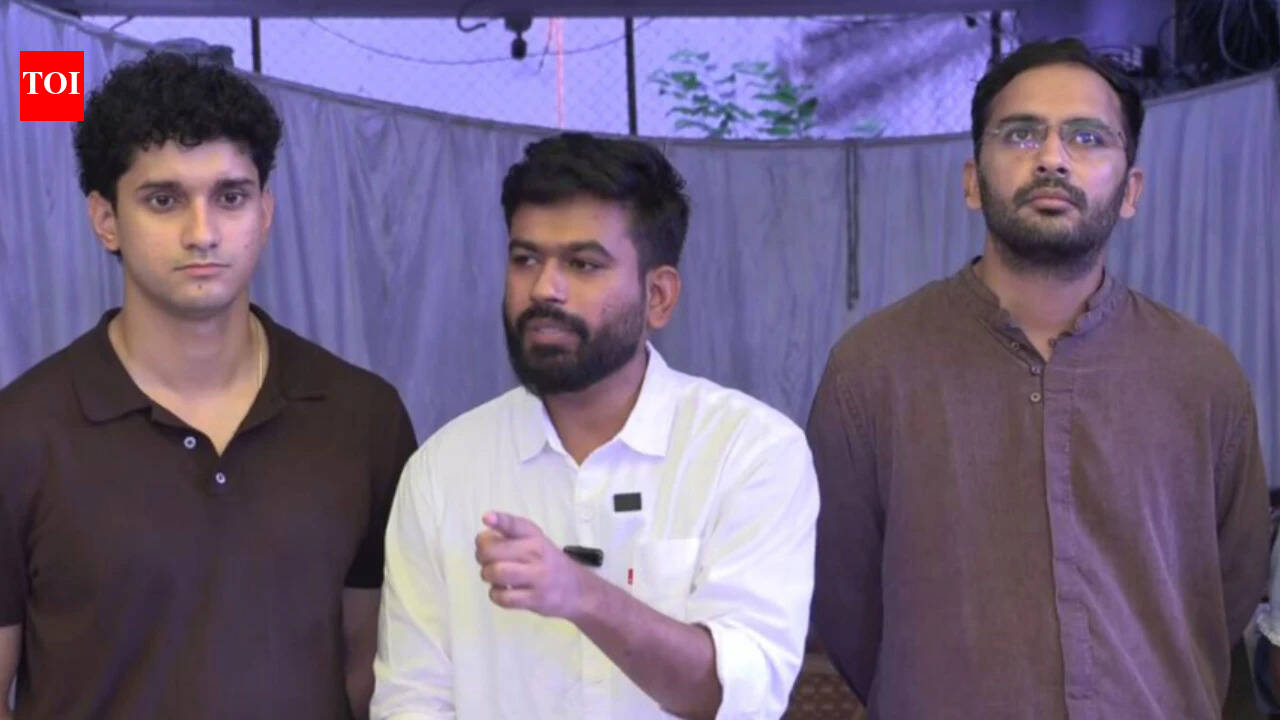
Cockroach Janta Party (CJP) co-founder Saurav Das has moved the Delhi High Court after being barred from traveling to the U.K. for an Oxford University conference. CJP founder Abhijeet Dipke alleges the government is suppressing international criticism, contrasting this incident with the departure of high-profile financial fugitives.
The Controversy Surrounding Saurav Das’s Travel Ban
The recent incident involving Saurav Das, a prominent co-convenor of the Cockroach Janta Party (CJP), has sparked a significant debate regarding the limits of administrative power and the right to freedom of movement. On November 24, 2026, Das was reportedly stopped at Delhi’s Indira Gandhi International Airport while attempting to board a flight to the United Kingdom. His intended destination was the University of Oxford, where he was slated to deliver a lecture on the "cockroach movement" and the influence of Ambedkar and Gandhi on contemporary political discourse.
Allegations of Political Suppression
Abhijeet Dipke, the founder of the CJP, has been vocal in his condemnation of the incident. Speaking from Chhatrapati Sambhajinagar, Dipke framed the travel restriction not as a routine security measure, but as a deliberate attempt by the central government to prevent the "ground realities" of the nation from being shared on an international platform. By framing the government’s actions as a fear of exposed failures, Dipke has elevated the incident into a broader critique of the current administration’s sensitivity to dissent and external scrutiny.
Contrasts with Financial Fugitives
The narrative surrounding this event has been intensified by Dipke’s pointed comparisons to high-profile economic offenders. By invoking the names of Vijay Mallya, Nirav Modi, and Mehul Choksi—individuals who managed to leave the country despite facing massive allegations of financial misconduct—Dipke highlights a perceived double standard in the enforcement of travel restrictions. This comparison serves to argue that the state’s mechanisms for "Look Out Circulars" or flight bans are being applied selectively, potentially targeting political activists rather than individuals who have caused substantial economic damage.
Legal Recourse and Judicial Intervention
In response to the travel ban, Saurav Das has taken formal legal action by moving the Delhi High Court. Represented by advocate Krishnesh Bapat, the legal team sought an urgent hearing to challenge the lack of transparency in the government's decision, noting that no formal order was presented to Das at the airport. The matter was brought before a division bench comprising Acting Chief Justice Nitin Wasudeo Sambre and Justice Sanjay Sharma. The court has scheduled the hearing for November 26, which remains a critical juncture for Das, who hopes to reach the U.K. in time for his engagements.
Broader Implications for Political Discourse
This case underscores a growing tension between national security protocols and the fundamental rights of citizens to participate in international academic and political discourse. If the government is indeed curbing the movement of young leaders, it raises questions about the state's tolerance for narratives that diverge from the official discourse, particularly when those narratives are presented to global institutions like the University of Oxford. The outcome of the Delhi High Court proceedings will likely serve as a precedent for how such administrative travel barriers are scrutinized in the future.
Future Trends in Political Activism
Looking ahead, the "cockroach movement" and the CJP’s strategy of engaging with international academic circles suggest a trend of grassroots movements seeking to globalize their cause. As digital and physical borders become increasingly contested spaces for political expression, the ability of activists to travel and speak abroad will remain a flashpoint. Whether the judiciary upholds the government's authority to restrict such travel or reinforces the right to movement will shape the future landscape of political activism in India.
Multiple Citing Sources