'We love Yogi very much': Raut's praise puts spotlight on BJP's biggest UP question
Source Entity
AADRITA HALDER
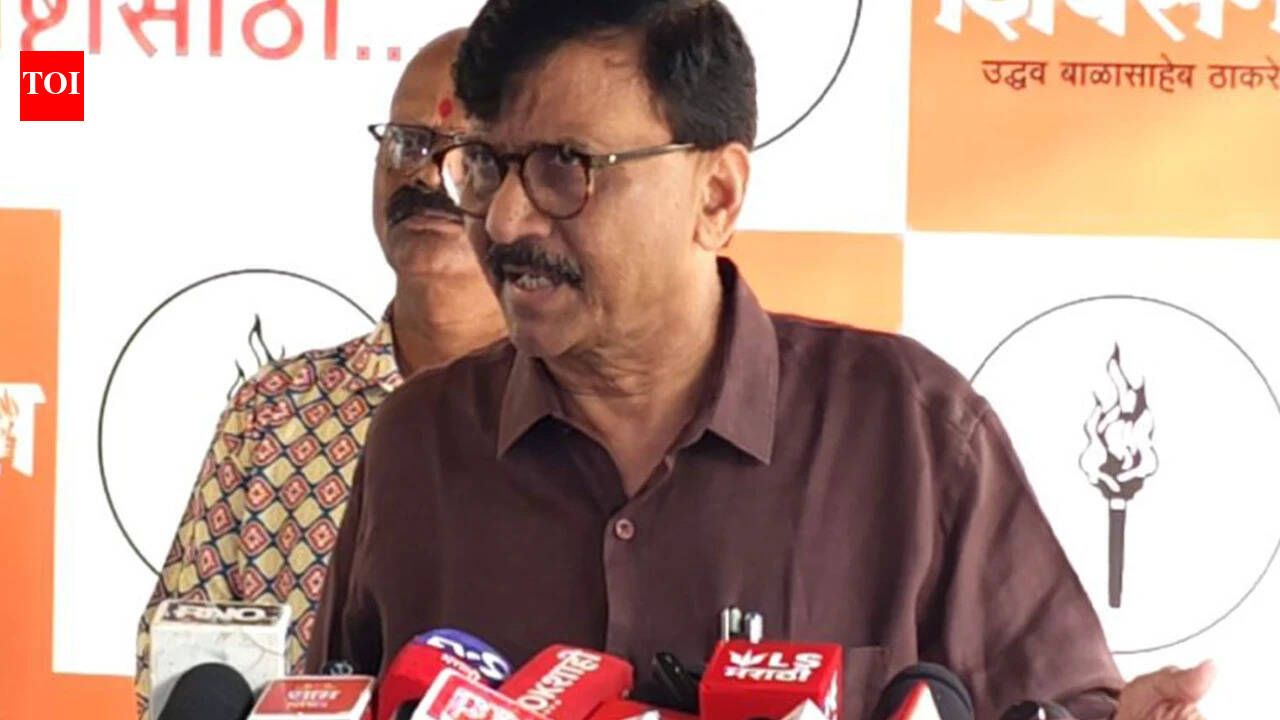
Shiv Sena (UBT) leader Sanjay Raut's public praise for Uttar Pradesh CM Yogi Adityanath has triggered political speculation. This development highlights internal dynamics within the BJP and the shifting alliances in Indian politics.
The Significance of Raut's Endorsement
The recent remarks by Shiv Sena (UBT) leader Sanjay Raut, stating, "We love Yogi very much," have sent ripples through the Indian political landscape, particularly regarding the internal dynamics of the Bharatiya Janata Party (BJP) in Uttar Pradesh. By publicly praising Chief Minister Yogi Adityanath, Raut—a staunch critic of the BJP—has effectively spotlighted the perceived internal tensions within the saffron party. This gesture is not merely a superficial compliment; it serves as a strategic maneuver that forces observers to reconsider the power balance within the BJP's most critical electoral state.
The BJP's 'UP Question'
The "UP question" refers to the complex internal power dynamics and governance trajectory of the BJP in India’s most populous state. Uttar Pradesh remains the bedrock of the party's national ambitions, and any perceived friction between the central leadership and the state machinery creates significant political vulnerability. When an opposition leader like Raut offers praise, it is often interpreted as an attempt to drive a wedge between state-level leaders and the central high command, highlighting the scrutiny under which Adityanath’s tenure is currently held.
Strategic Alliances and Opposition Tactics
Sanjay Raut’s praise for Adityanath highlights the evolving nature of political rhetoric in India. By reaching across the aisle, the Shiv Sena (UBT) is signaling a departure from traditional binary oppositions, instead opting for a strategy that leverages internal BJP rivalries to create broader political instability for the ruling party. This approach suggests that opposition parties are increasingly looking for cracks within the BJP’s monolithic structure, using praise for specific leaders as a litmus test for the party's internal cohesion.
Historical Context of Political Praise
Historically, in Indian politics, praise from an ideological adversary is rarely altruistic. It is a time-tested technique to create discomfort and suspicion within the target party’s leadership. By positioning himself as an admirer of Adityanath, Raut is forcing the BJP’s central leadership to either embrace the praise—thereby validating a state leader's independent stature—or distance themselves, which could alienate the Chief Minister’s support base within the party and the state.
Future Trends and Political Fallout
The long-term implications of this narrative are significant. As the BJP prepares for future electoral cycles, the "UP question" will likely dominate internal deliberations. If the party fails to manage the perception of its internal dynamics, it risks losing the unified front that has characterized its recent electoral successes. Raut’s comments have essentially opened a new front in the psychological warfare between the INDIA bloc and the BJP, ensuring that the spotlight remains firmly fixed on the internal stability of the BJP’s Uttar Pradesh unit.
Conclusion
Ultimately, the statement by Sanjay Raut serves as a catalyst for deeper introspection regarding the BJP's leadership structure. While the literal meaning of his words may be simple, the political weight they carry is immense. By bringing the "UP question" to the forefront, Raut has successfully utilized a singular, high-profile compliment to complicate the BJP’s internal narrative, setting the stage for increased scrutiny of how the party manages its most vital regional stronghold in the coming months.