Opinion: What's the price a soldier pays for your “taxes”?
Source Entity
Latest News: Todays Latest News Headlines from India & World | Hindustan Times | Hindustan Times
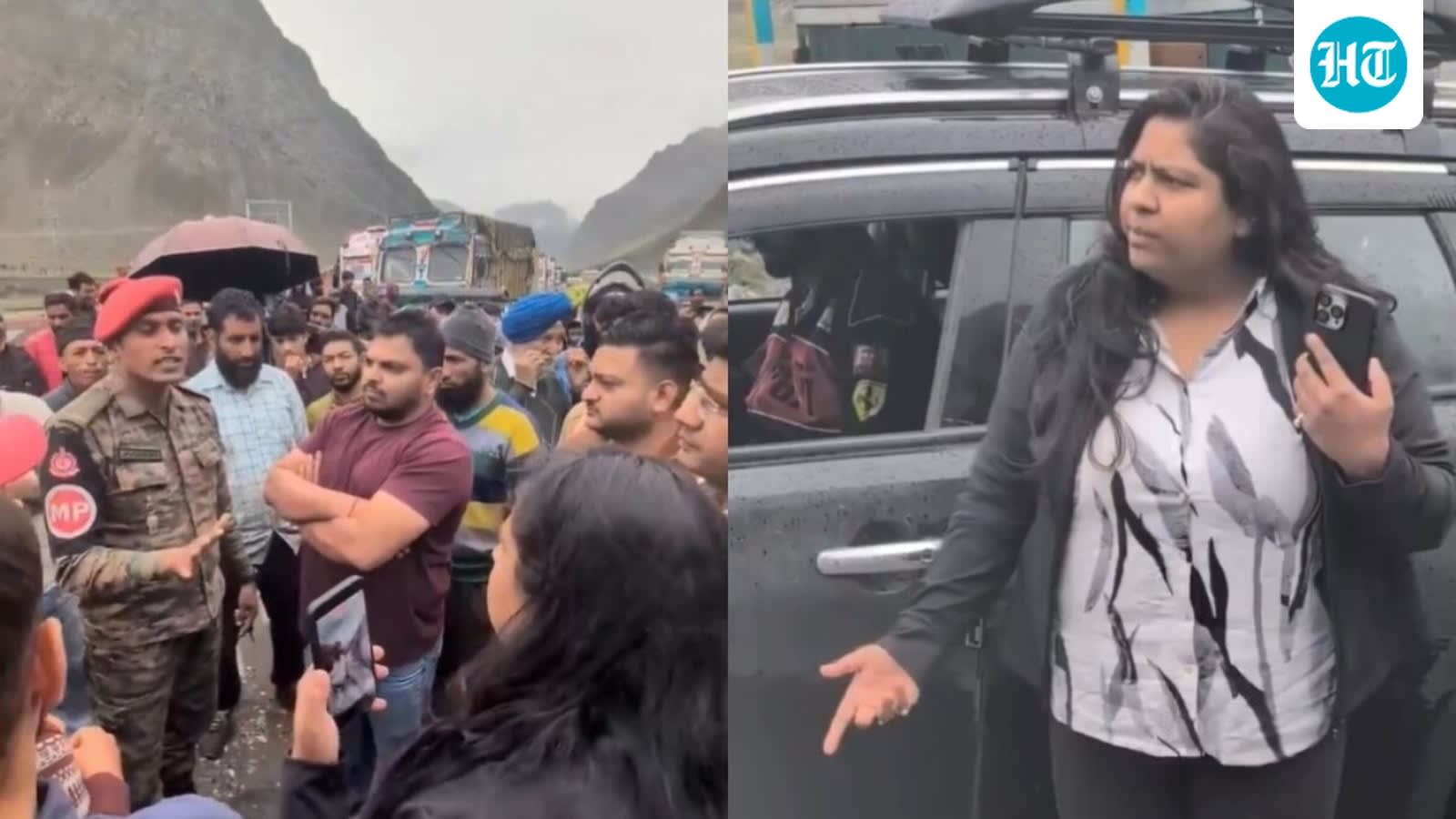
A woman has issued a public apology after a viral video showed her confronting Indian Army personnel at the Minamarg checkpost in Ladakh. The incident, which centered on frustrations over road closures, sparked a nationwide debate regarding the relationship between civilians and the armed forces.
The Minamarg Confrontation: A Reflection on Civil-Military Relations
Recent social media discourse has been dominated by a viral video originating from the Minamarg checkpost in Ladakh, where a woman was filmed aggressively confronting Indian Army personnel. The footage, which gained significant traction online, captured the woman expressing intense frustration over road closures implemented by security forces. Her verbal outburst, specifically the claim that her tax contributions entitled her to challenge the authority of soldiers, became a flashpoint for a broader national conversation regarding the nature of public service and the role of the military in high-altitude border regions.
The Context of the Conflict
The incident occurred in one of the most challenging terrains in India. Ladakh, particularly areas near Dras and Minamarg, represents a critical security frontier. The harsh environmental conditions, characterized by sub-zero temperatures and thin oxygen levels, define the daily reality for soldiers stationed at these checkpoints. The woman’s initial outburst, citing 'Gen-Z' sensibilities and frustration over perceived inconvenience, highlighted a disconnect between civilian expectations of mobility and the operational necessities of national security in a sensitive border zone.
The Anatomy of the Apology
Following the digital backlash, the individual involved appeared in a televised interview to offer a formal apology. She attributed her behavior to clouded judgment and the lingering influence of recent social movements, specifically mentioning 'Gen-Z protests' as having left a deep impression on her. This apology serves as a pivotal moment in the narrative, shifting the discourse from a singular moment of road-rage to a reflective analysis of how public frustration is expressed toward those mandated to ensure territorial integrity.
Debunking the 'Taxpayer' Narrative
The most stinging aspect of the viral exchange was the assertion: 'Our taxes pay your salary.' This statement, often used in civilian-military arguments, ignores the fundamental reality of the Indian taxation system. As noted in public commentary following the incident, Armed Forces personnel are not exempt from the tax net; they contribute through income tax, GST, and various indirect taxes just like any other citizen. By highlighting this, analysts have sought to dismantle the premise that financial contribution creates a hierarchy of citizenship that justifies the disrespect of security personnel.
Broader Implications for National Security
The Minamarg incident underscores the ongoing friction between the growing influx of tourists in Ladakh and the rigid security protocols required in a conflict-prone zone. As tourism surges in the Himalayas, the pressure on infrastructure and the frequency of security checkpoints increase, leading to inevitable tensions. The incident highlights the need for greater public awareness regarding the sacrifices of soldiers who operate in extreme conditions, often enduring severe isolation and physical hardship to maintain the sovereignty of the region.
Conclusion and Future Trends
Ultimately, this event serves as a microcosm of the evolving relationship between the Indian public and the military. While the woman’s apology provides a sense of closure to the specific incident, the discourse it generated remains significant. Moving forward, the challenge for authorities will be to balance the facilitation of civilian movement with the absolute necessity of security protocols in border regions. The incident stands as a reminder that civil discourse, even in moments of extreme personal inconvenience, must remain grounded in a basic understanding of the roles and sacrifices of those who serve the nation.
Verification Required?